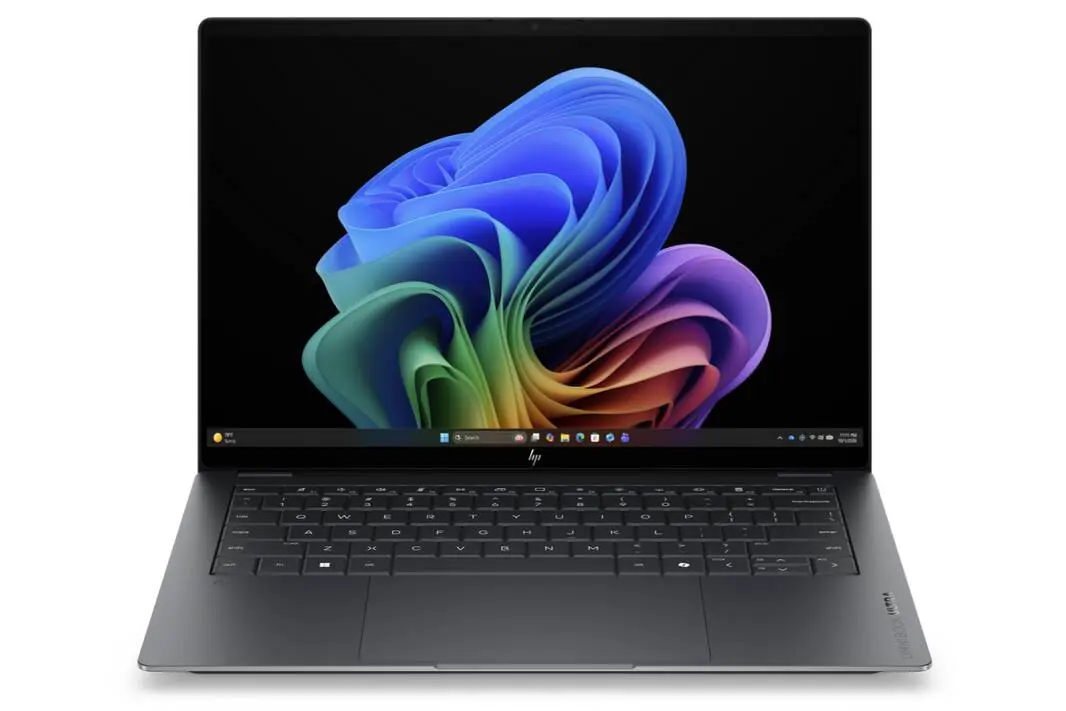
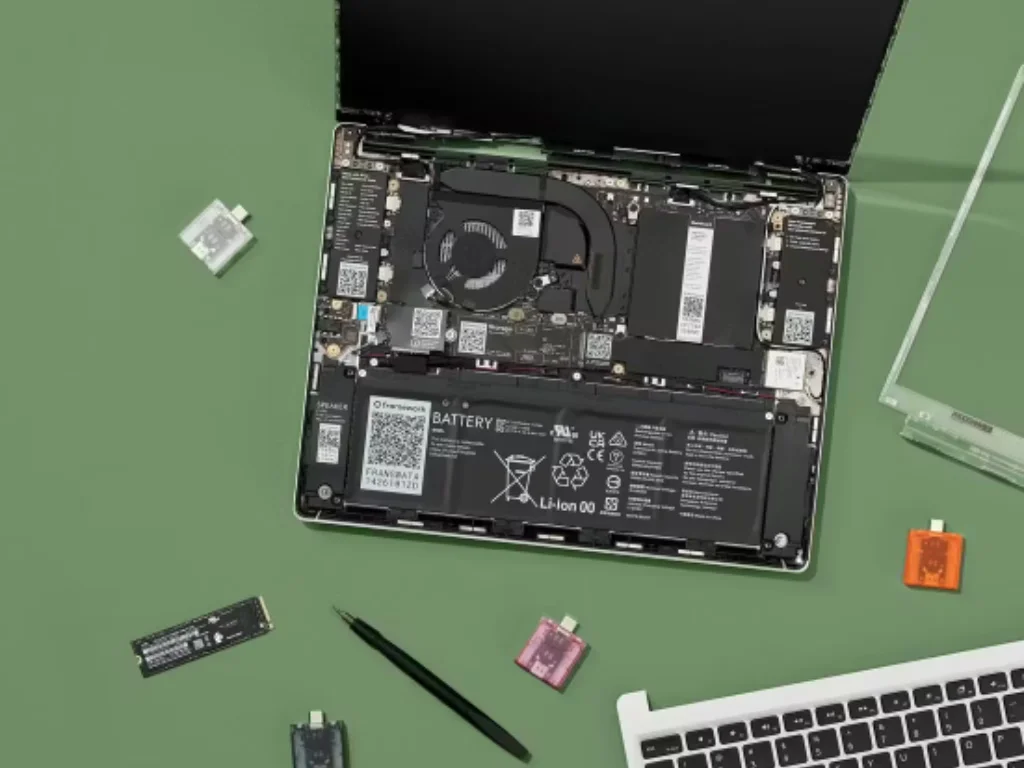
Framework, known for its modular and upgrade-friendly laptops, has shared an update on component pricing that affects buyers and upgraders. While DDR5 memory prices have remained relatively stable, the company warns that SSD prices, especially for NVMe drives, are increasing significantly. This shift could impact the cost of upgrading or buying Framework Laptop 12, Framework Laptop 13 Pro, or Framework Laptop 16 models.
DDR5 Memory Prices Holding Steady Amid Supply Changes
According to Framework’s recent update, DDR5 memory costs have not seen major fluctuations in the last few months. The company has been able to maintain previous pricing levels for most memory capacities except for 8GB modules, where older stock bought at lower costs has run out. New 8GB memory modules now come at a higher price, leading to a modest price adjustment. Framework emphasizes that these increases are only to cover actual cost rises from suppliers.
This relative stability is notable in a market often subject to rapid changes. DDR5 memory represents the latest generation of RAM, offering faster speeds and improved power efficiency compared to DDR4. Keeping these prices stable helps consumers and businesses plan upgrades without sudden budget surprises. Related coverage: Sony’s Quiet PS5 DRM Changes Stir Player Concerns.
Rising SSD Prices Due to Depleted Inventory and Market Trends
Unlike memory, the pricing outlook for SSDs is less optimistic. Framework has been relying on leftover inventory of M.2 NVMe SSDs purchased at lower prices, allowing it to offer storage upgrades below market averages for some time. However, this older inventory is nearly exhausted. New shipments of SSDs, compatible with PCIe Gen 4 and Gen 5 standards, are arriving at substantially higher costs.
NVMe SSDs are known for their high speed and low latency, making them a popular choice for performance-focused laptops. However, the current market volatility means consumers could face SSD prices up to three or four times higher than earlier retail levels. Framework expects to complete the transition to these new pricing levels soon, which will affect all storage capacities. For more context, you may also want to read GTA 6 Pre-Order Reportedly Opens May 18, Trailer and.
Impact on Buyers and Upgraders
This development has practical implications for anyone considering a Framework laptop purchase or a storage upgrade. While RAM prices remain manageable, the rising cost of SSDs could increase the total cost of ownership. Buyers should weigh their storage needs carefully and consider purchasing upgrades sooner rather than later if prices are expected to climb further.
Framework’s use of Western Digital (now SanDisk) SSDs, such as the WD Black SN770 and SN850X, illustrates the trend. Prices for these drives have nearly doubled or more compared to two years ago, reflecting broader market conditions. This price growth is a reminder that hardware component costs can fluctuate sharply and may not always reflect linear trends.
What Still Needs Confirmation and Buyer Advice
Framework’s update provides insight but also leaves some questions open. For example, the timing and scale of SSD price stabilization remain uncertain. Buyers should also watch for potential regional price differences or availability issues, especially in markets with varied supply chains.
For those planning upgrades or new purchases, it’s wise to monitor Framework’s announcements and consider current inventory levels. Since the company aims to keep price changes proportional to supplier costs, sudden large price hikes are less likely but not impossible. Ensuring warranty coverage and purchasing from official channels can help protect buyers in this fluctuating environment.
(Via)