Sony's LinkBuds Clip offer a fresh approach to personal audio by wrapping around the outer ear rather than sealing inside the ear canal. Retailing at $230 in the United States (and approximately $300 or ₹24,990 in international markets), these open-ear earbuds target listeners who want continuous ambient awareness, long-wearing comfort, and clean microphone audio for calls without feeling isolated from their surroundings.
While traditional wireless earbuds rely on silicone tips to lock out external noise and amplify bass response, the LinkBuds Clip prioritize situational awareness and physical comfort. However, operating outside the ear canal introduces mechanical and acoustic trade-offs that buyers must evaluate before committing to this open-ear format.
Ergonomic Clip Architecture and Daily Comfort
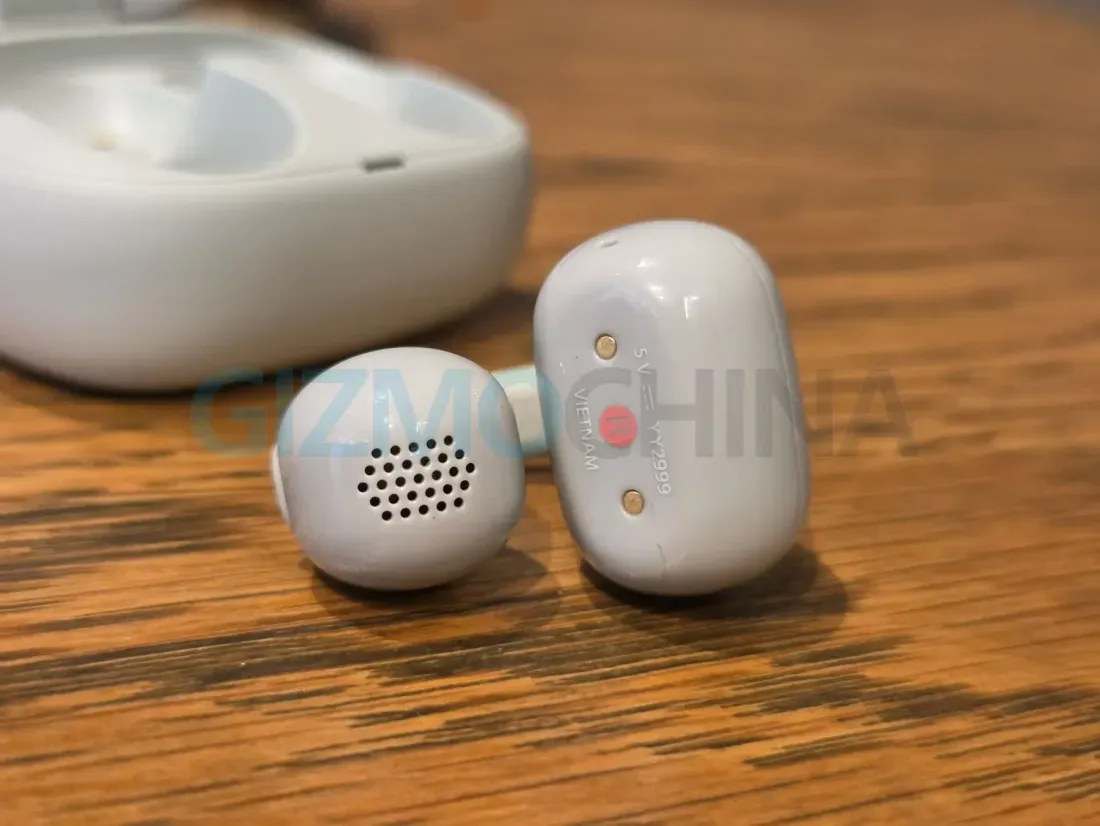
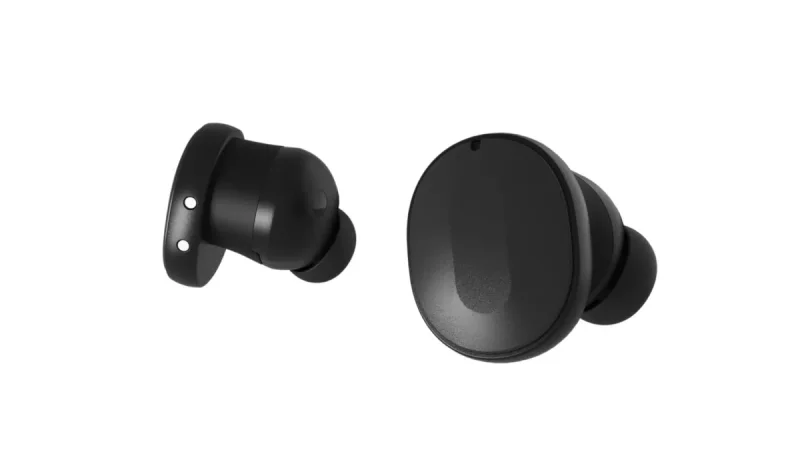
The primary appeal of the LinkBuds Clip lies in their physical construction. A flexible band loops around the pinna of the outer ear, positioning the speaker driver right over the entrance of the ear canal without inserting any part inside. For users who suffer from ear canal pressure, wax buildup, or fatigue during long work sessions, this open clip design offers immediate relief.
Finding the right fit takes a brief moment of adjustment, but once positioned, the earbuds remain stable during light activities like walking, jogging, and gym workouts. Sony includes silicone fitting cushions in the package to help stabilize the fit for smaller ears. The physical aesthetic is understated, available in colorways like Black, Greige, Lavender, and Green, though the accompanying pocket case is slightly bulkier than standard earbud cases.

Acoustic Performance and Low-End Compromises

Sound output on the LinkBuds Clip is clean and open, delivering natural vocals and clear instrument separation across podcasts, audiobooks, and acoustic tracks. The Sony Sound Connect companion app provides a 10-band equalizer, DSEE upscaling, and specialized listening modes such as Voice Boost, which enhances speech clarity during transit or office listening.
However, physics dictates the limitations of open acoustic drivers. Without a tight canal seal, low-frequency impact suffers significantly. Sub-bass response feels thin compared to standard in-ear monitors. While tweaking the app's equalizer adds warmth, it cannot replicate the deep, punchy bass required for heavy electronic music or cinematic soundscapes.
Environmental Awareness and Call Microphones

The fundamental advantage of an unsealed ear canal is natural environmental awareness. Traffic sounds, office chatter, and train announcements pass through without needing digital passthrough modes, avoiding the artificial white noise or occlusion effect typical of active noise cancellation (ANC) transparency modes.
The trade-off is zero passive noise isolation. In loud environments like busy city streets or subway cars, ambient noise easily overpowers audio playback. Sony includes a Sound Leakage Reduction mode to limit sound spill to neighbors, though it noticeably dampens high-frequency treble detail.
Microphone performance stands out as a key strength. Sony pairs dual beamforming microphones with a bone-conduction sensor and AI noise suppression algorithms. During voice calls, background chatter and street sounds are attenuated effectively, keeping spoken voice clear for caller on the other end.
Battery Stamina and Software Capabilities
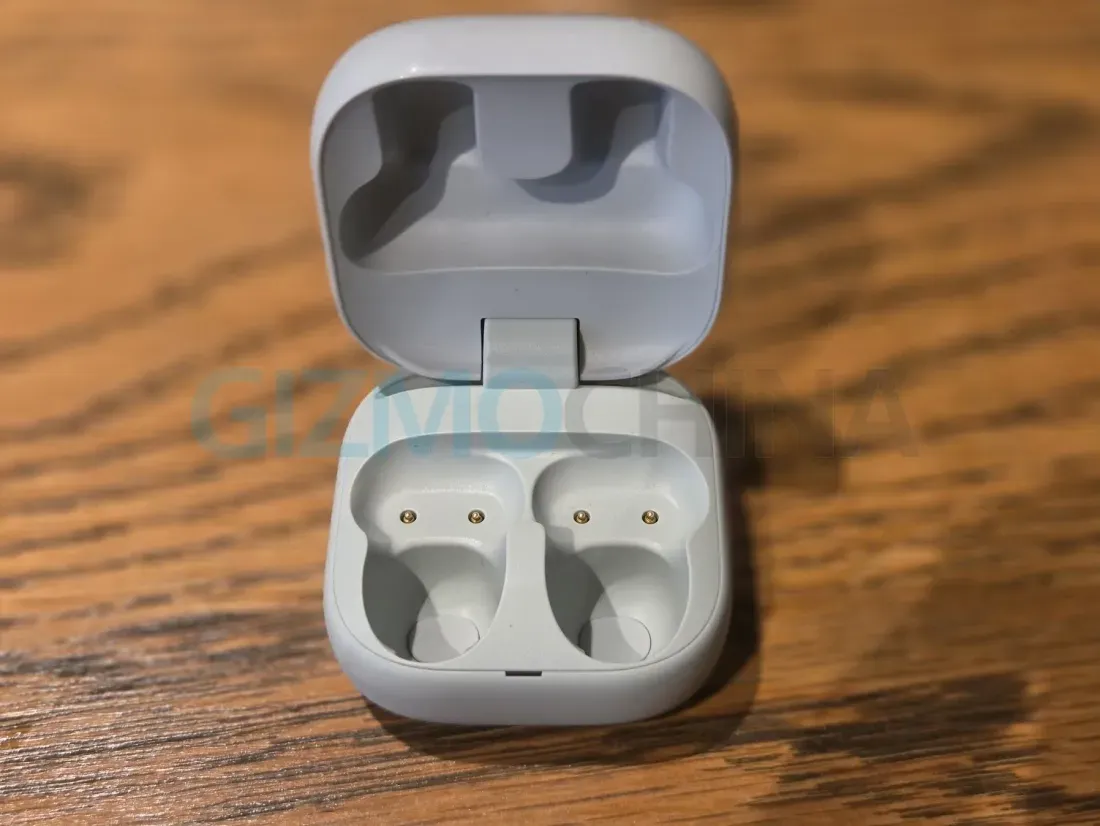
Battery life reaches up to 9 hours of continuous playback on a single charge, with the carrying case providing an additional 28 hours for 37 hours total. A quick 3-minute USB-C charge yields roughly an hour of playback time. However, the case lacks Qi wireless charging support, requiring a physical cable connection.
On the software side, the earbuds support Bluetooth multipoint for dual-device connectivity, alongside SBC and AAC codecs. Sony opted not to include its high-bitrate LDAC codec. Touch controls are located along the outer clip band, though the small surface area can make quick taps tricky while in motion.