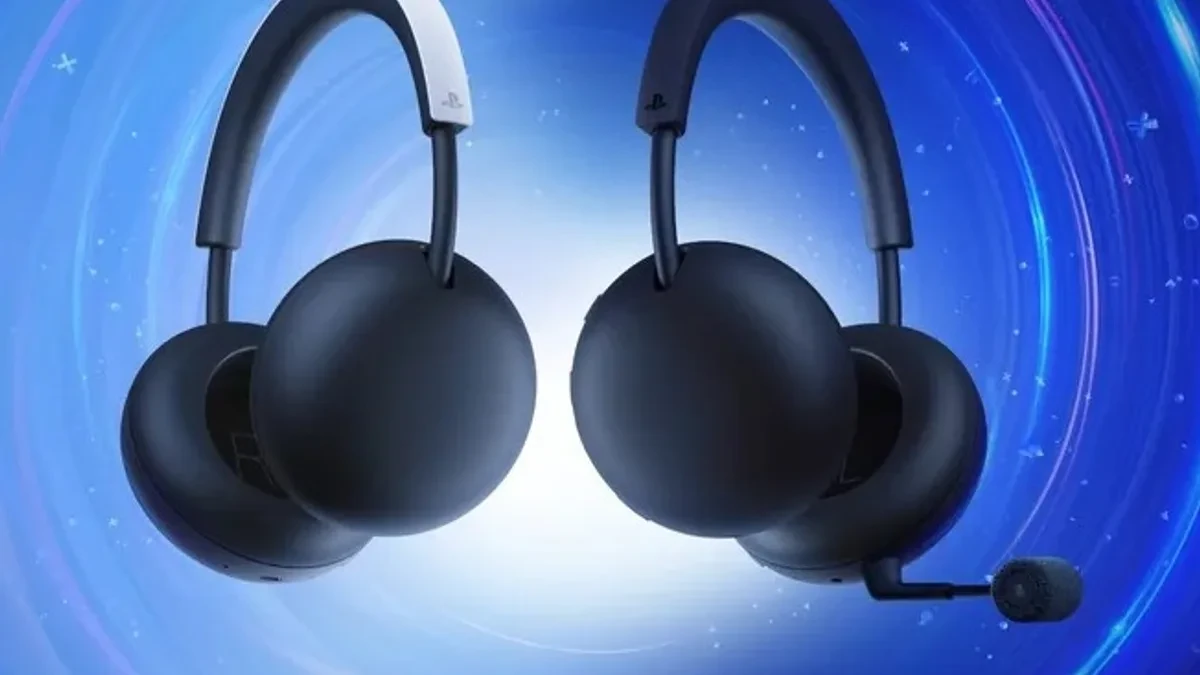
Sony is doubling down on its commitment to high-fidelity gaming audio with the announcement of the new Pulse and Pulse Edge wireless headsets. Designed as the successors to the existing Pulse and Pulse Elite lineup, these models aim to bridge the gap between studio-grade sound reproduction and the practical demands of modern console gaming. By integrating the planar magnetic driver technology first seen in the 2024 Pulse Elite, Sony is clearly signaling a shift toward more nuanced, accurate soundscapes for the PlayStation ecosystem.
At the heart of both headsets is the proprietary PlayStation Link technology. Utilizing a dedicated USB-C adapter, this system facilitates lossless, low-latency audio transmission across PS5, PC, Mac, and the PlayStation Portal. The ability to simultaneously maintain a Bluetooth connection while linked to a console ensures that users can manage calls or listen to external media without missing a beat of their game audio. Furthermore, both models incorporate AI-assisted noise rejection, a welcome addition for those who frequently navigate noisy environments during multiplayer sessions.

The Technical Divide: Pulse vs. Pulse Edge
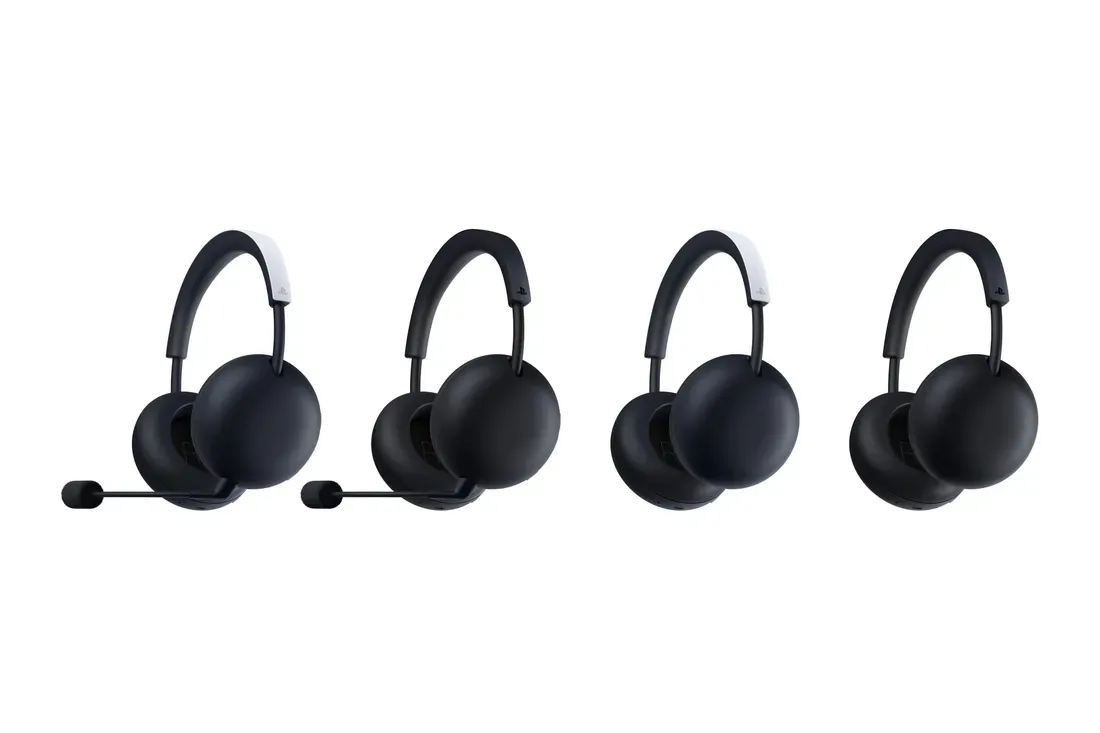
While both headsets share a common design language and core acoustic DNA, Sony has established a distinct performance tier between the two. The standard Pulse model serves as the entry point, offering a streamlined experience with integrated microphones and a focus on essential functionality. It is built for the gamer who wants reliable, high-quality audio without the complexity of extra hardware.
In contrast, the Pulse Edge is engineered for power users. It doubles the magnet count per driver compared to the standard model, promising tighter control over audio transients and deeper bass response. Beyond the drivers, the Pulse Edge includes active noise cancellation to isolate the player from their environment, a detachable boom microphone for improved vocal clarity, and dedicated physical controls for game-chat balance. It also adds a 3.5mm audio jack for wired connectivity and a protective carrying case, positioning it as the premium choice for competitive players and audiophiles alike.
Portability and Design Shifts
One of the most noticeable changes across both models is the shift toward a slimmer, flatter-folding chassis. This adjustment reflects a broader industry trend toward hardware that fits easily into a backpack, catering to gamers who frequently move between home setups and mobile play. Both headsets will arrive in the classic White and Midnight Black colorways, maintaining visual consistency with the existing PS5 hardware.
Global pricing for these units has not yet been announced, and Sony has confirmed that detailed information regarding preorders and regional availability will follow in the coming months. The standard Pulse is slated for a holiday 2026 release, while those eyeing the feature-rich Pulse Edge will have to wait until early 2027.