Samsung's $1,200 Galaxy Z Flip8 remains the dominant force in the compact foldable market, outclassing rivals like Motorola's Razr series in raw processing power, long-term software support, and speaker performance. Yet despite its market leadership, the device still suffers from a fundamental design compromise that frustrates daily usability: its tall and narrow aspect ratio.
While the compact footprint remains a huge selling point when folded, unfolding the phone reveals an elongated 21:9 display that pushes critical hardware controls out of comfortable reach. As rival manufacturers explore broader aspect ratios in clamshell foldables, Samsung faces growing pressure to rethink the dimensions of its flagship flip series.
The Ergonomic Frustration of Tall Clamshell Screens

Operating the Galaxy Z Flip8 with one hand often feels like a balancing act. Because the inner screen is so tall, key physical controls like the volume rocker and capacitive fingerprint sensor sit extraordinarily high on the top half of the chassis. Even for users with large hands, reaching these controls during one-handed operation requires awkward hand shifting, increasing the risk of accidental drops.

Software interaction suffers from similar physical limitations. The narrow width leaves the virtual QWERTY keyboard feeling cramped, leading to frequent typos during fast two-thumb typing. Furthermore, media consumption on the elongated display results in heavy letterboxing when viewing standard 16:9 video content, effectively wasting large portions of the screen surface area.
What a Wider Footprint Means for Battery and Thermals
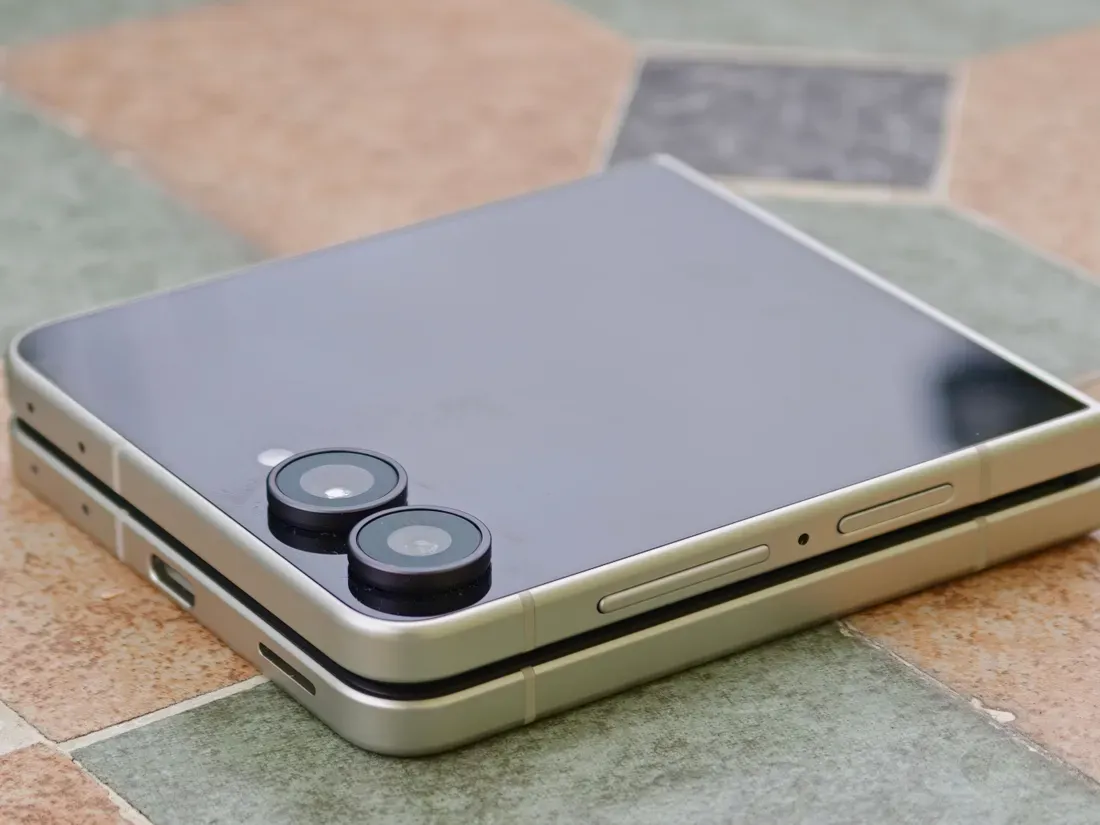
Physical space constraints inside a narrow phone chassis carry serious engineering trade-offs. The current Galaxy Z Flip8 relies on a 4,300 mAh battery split between its two halves. While respectable for a compact foldable, power-hungry flagship chipsets quickly deplete this capacity during intensive multitasking or camera usage. A wider chassis would immediately create internal volume for larger battery cells without requiring a thicker body profile.
Thermal management stands as another critical reason for a physical redesign. Compact foldables pack dense circuit boards into small, enclosed spaces, leaving minimal surface area for heat dissipation. Under sustained heavy loads, flagship processors inside narrow flip phones are forced to throttle performance rapidly to control temperatures. Expanding the phone's width would allow engineers to fit larger vapor chambers, delivering sustained performance stability during long gaming or video recording sessions.

Transforming the Exterior Cover Display Experience
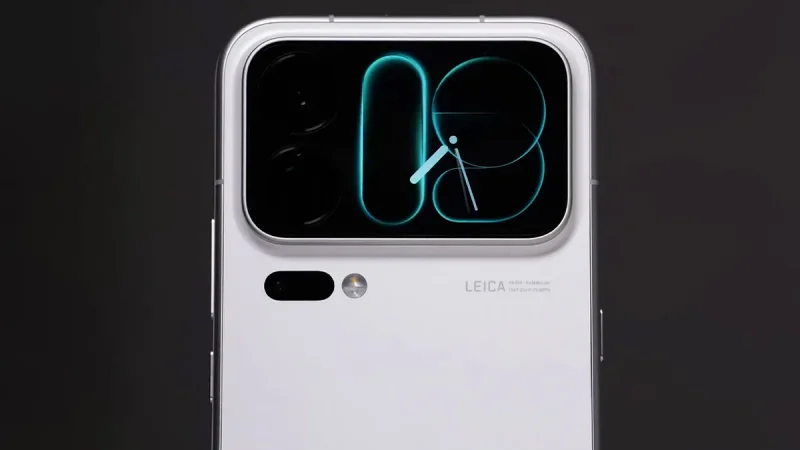
A wider clamshell design would radically improve the outer cover screen experience. A broader exterior panel provides a more natural, square-like canvas for running full Android apps, replying to text messages, and navigating maps without opening the primary inner screen.
Transitioning to a slightly wider aspect ratio is a natural evolutionary step for the line. By giving its next-generation flip device a broader foundation, Samsung can eliminate persistent ergonomic complaints, boost battery stamina, and solidify its dominant position in the foldable smartphone market.