Finding an entry-level smartphone that remains safe and usable beyond two or three years has long been a frustrating challenge for budget-conscious buyers. Samsung is directly challenging that low-cost shelf-life standard by quietly introducing the Galaxy A18 4G across select European markets, pairing accessible hardware with an astonishing six-year software commitment extending through October 2032.
Retailing for roughly $305 (€280), the Galaxy A18 4G launches out of the box running Android 17 topped with Samsung's One UI 9 interface. Under this updated lifecycle policy, the device is slated to receive six full Android OS upgrades all the way to Android 23. For a device situated comfortably in the sub-$350 price bracket, this multi-year support cycle sets a elevated benchmark for device longevity that directly addresses software obsolescence.
Silicon Switch and Core Performance
Beyond software policy adjustments, Samsung made meaningful structural changes under the hood. The manufacturer abandoned the MediaTek Helio G99 processor utilized in last year's Galaxy A17 4G (which launched around $225) in favor of its proprietary Exynos 1610 chipset. This silicon switch aims to optimize power efficiency and software integration for the prolonged six-year service period.
The smartphone comes configured with 4 GB of RAM alongside 128 GB of internal storage. While 4 GB of memory might feel constrained for heavy multitasking in future Android releases, Samsung retains a dedicated microSD card slot, allowing users to expand local storage without relying solely on cloud subscriptions. Physical dimensions have shifted slightly compared to its predecessor: the Galaxy A18 4G measures 7.7 mm thick and weighs 196 grams, making it a hair thicker and heavier than the older model's 7.5 mm frame and 190-gram chassis.
Display, Optics, and Battery Endurance
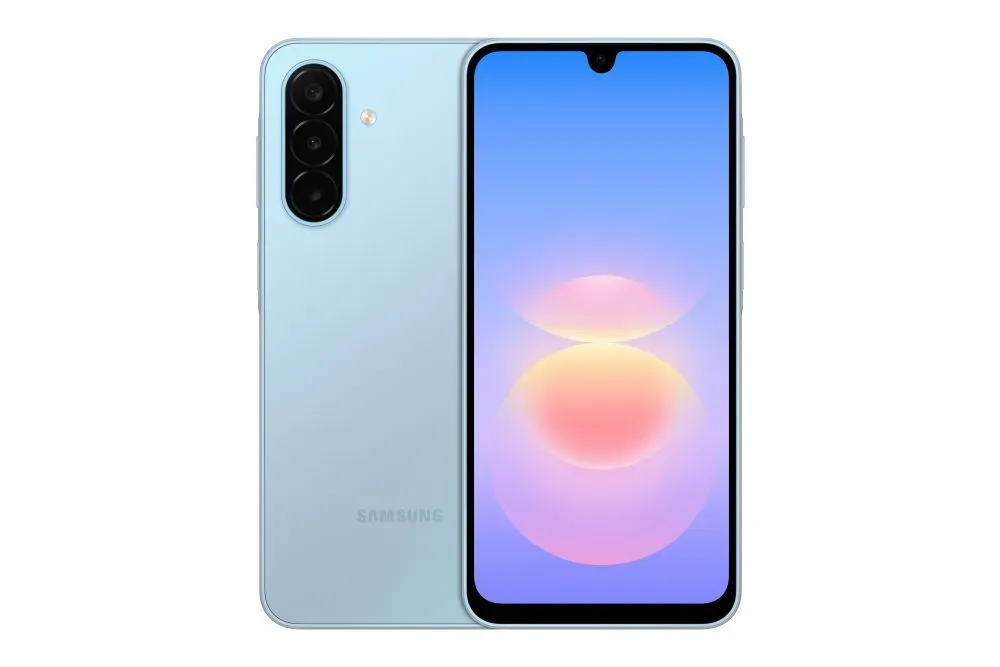
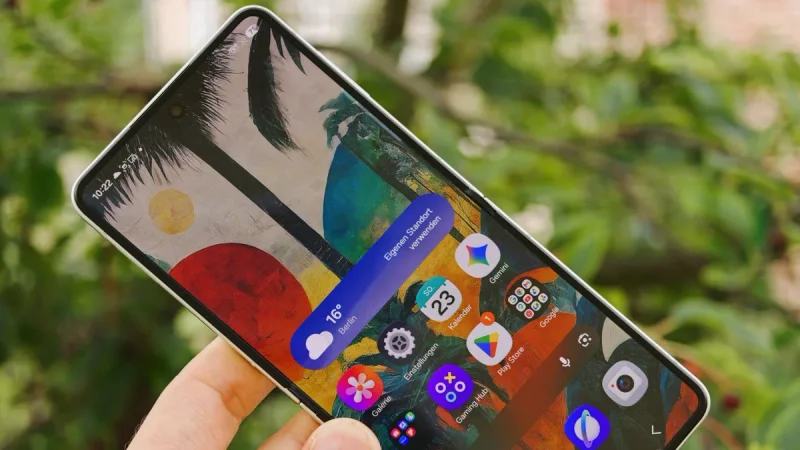
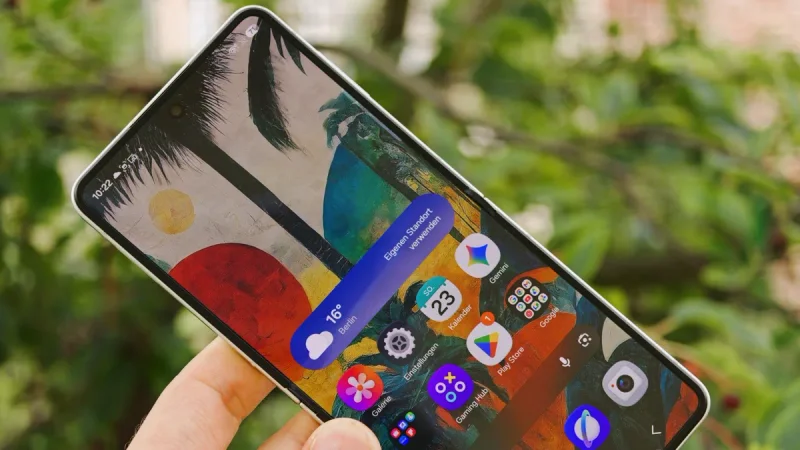
Visual duties are handled by a generous 6.7-inch Super AMOLED display pushing a Full HD+ resolution of 2340 x 1080 pixels. The panel features a 90 Hz refresh rate, ensuring fluid interface animations and responsive scrolling during web browsing or feed navigation. Brightness levels and color contrast benefit significantly from AMOLED technology, offering a noticeable visual advantage over LCD alternatives often found in competing budget hardware.
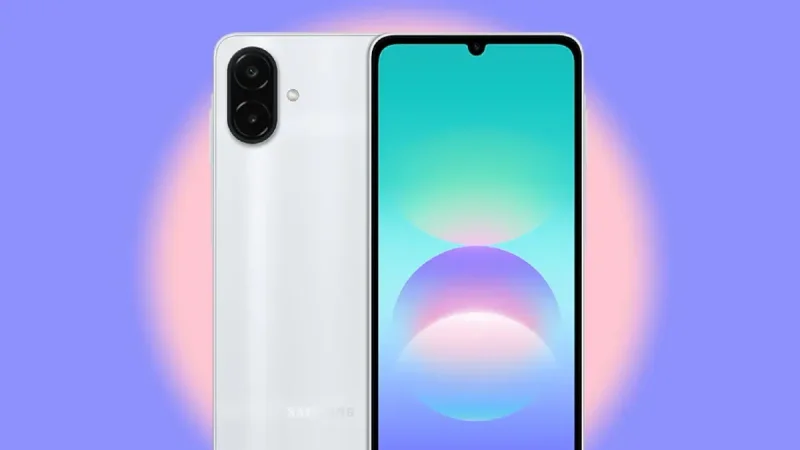
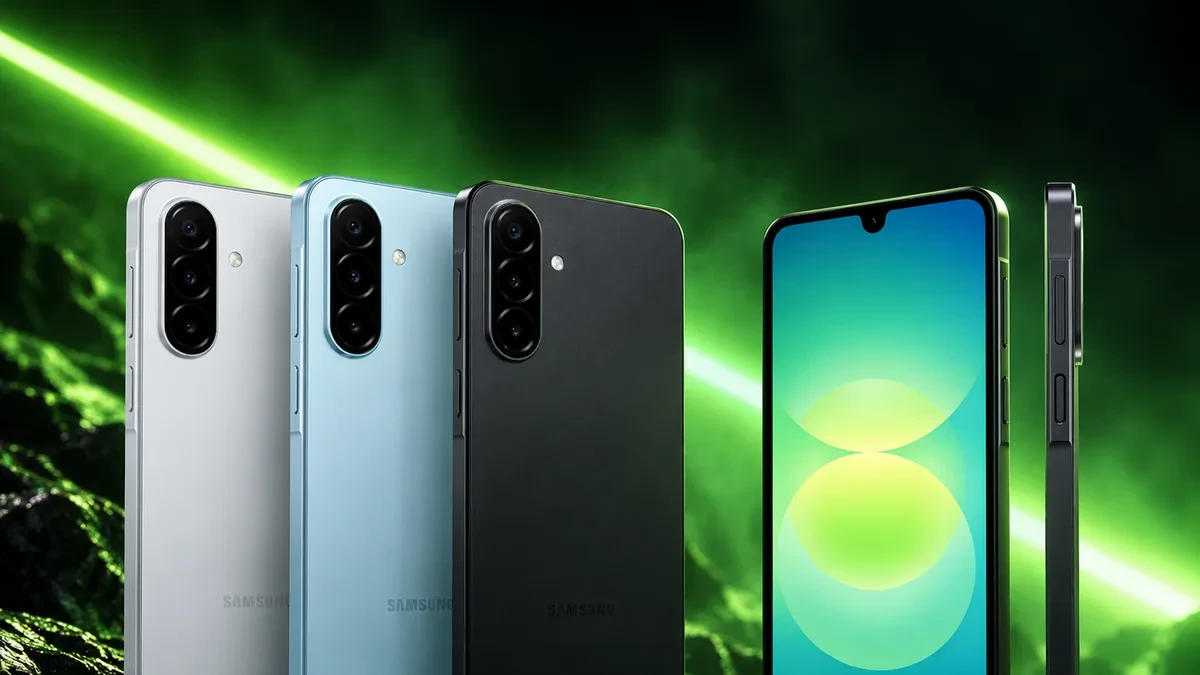
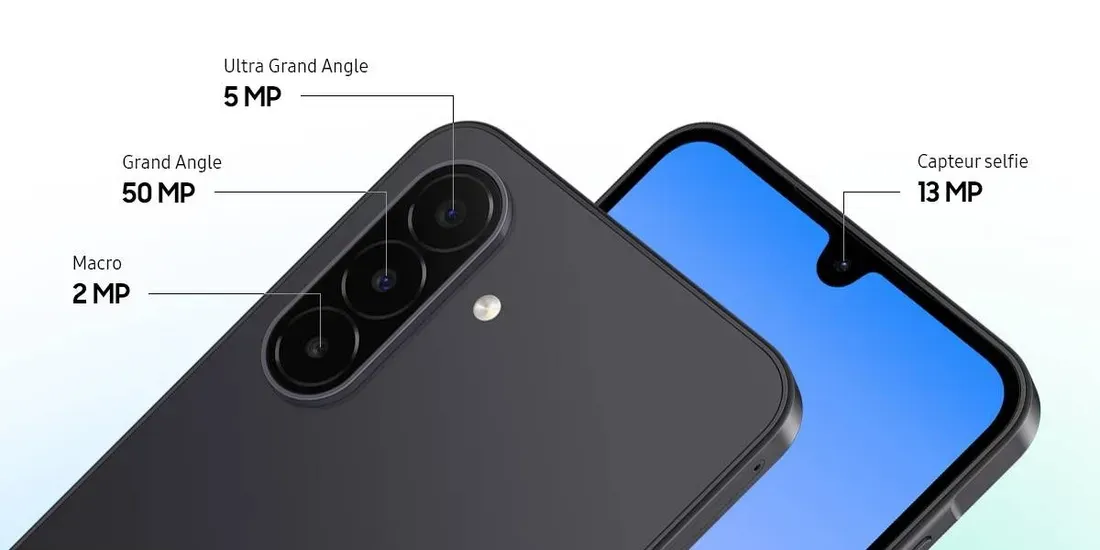
For optics, Samsung equips the rear panel with a triple-camera layout. The primary imaging setup relies on a 50 MP sensor for main shooting duties, accompanied by a 5 MP ultrawide lens for broader landscapes and a 2 MP macro sensor for close-up shots. Front-facing video calls and selfies are handled by a 13 MP camera housed within a subtle notch on the front display.
Under the hood, a 5,000 mAh battery powers the chassis, providing reliable full-day endurance for general workloads. Charging capabilities remain modest, supporting up to 25 W wired charging. While fast-charging competitors in this price segment sometimes push 45W or higher, 25W charging ensures less thermal strain on the battery pack over its intended multi-year life span.
Pricing, Availability, and Ecosystem Fit
The Samsung Galaxy A18 4G is available for purchase via official Samsung online channels in France, Norway, and Sweden, with broader European distribution expected to follow. Buyers can choose from three understated colorways: light blue, gray, and black. Pricing stands at €280 in France (approximately $305 USD), or NOK 3,290 / SEK 3,290 in Nordic regions.
Notably absent from this announcement is any mention of a 5G-capable counterpart. Buyers requiring faster cellular connectivity will need to wait for Samsung to clarify its regional rollout plans for a Galaxy A18 5G variant. However, for users prioritising screen quality, structural reliability, and extended security support over 5G speeds, the Galaxy A18 4G presents a practical formula for long-term utility.