Spending upwards of $2,000 on a foldable device often comes with a surprising reality check: extra screen space does not always equal a better viewing experience. For years, premium book-style foldables have relied on nearly square inner displays. While impressive on paper, that specific footprint creates massive black letterbox bars during video playback, distorts web page layouts, and squashes multitasking apps into awkward, tall strips.
Samsung is finally addressing this core usability headache with its upcoming Galaxy Z Fold8 series, but the fix comes with a distinct strategy split. Rather than applying a single design philosophy across the board, Samsung is shifting the standard Galaxy Z Fold8 to a wider, more traditional aspect ratio while reserving the massive 8.0-inch canvas for a dedicated Ultra model. For buyers contemplating a device that costs as much as a flagship smartphone and a high-end OLED tablet combined, understanding these display trade-offs is essential.
The Square Screen Paradox in Daily Use
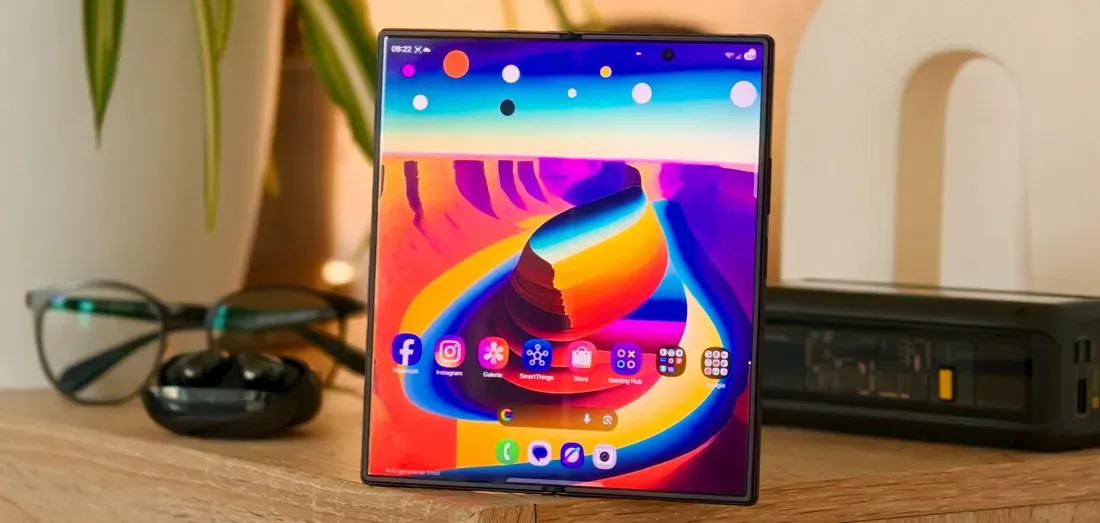
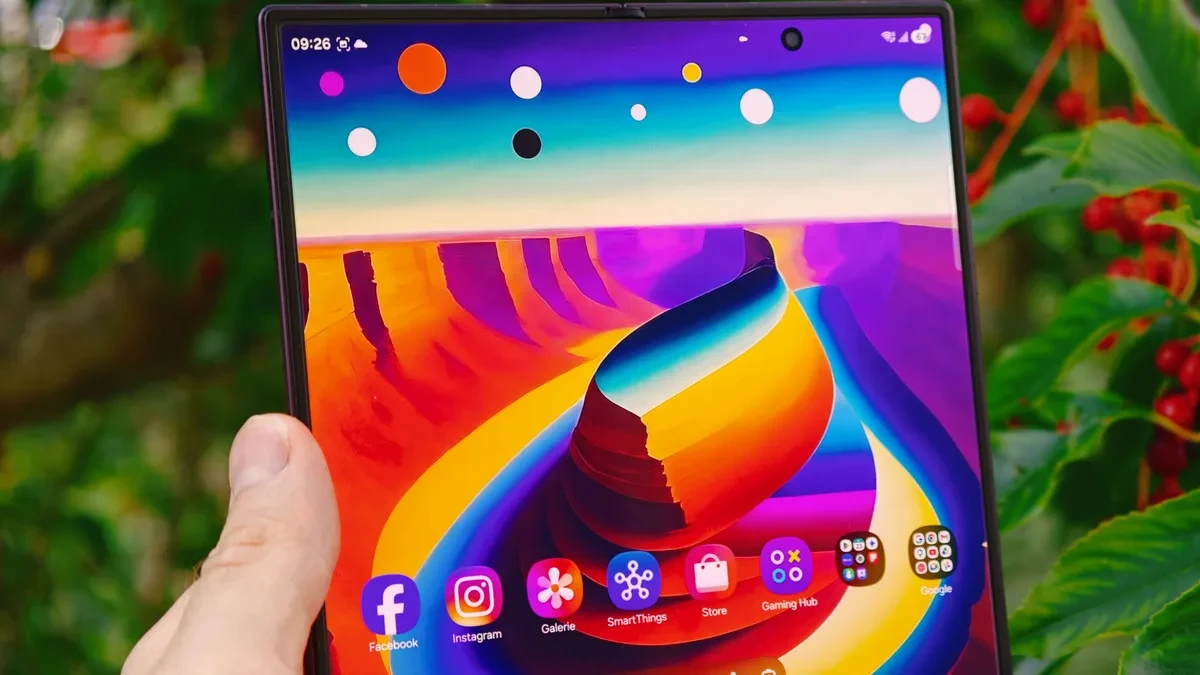
The primary appeal of a book-style foldable is unfolding a pocketable phone into a tablet-sized workstation. However, traditional square inner panels introduce significant daily friction. Standard widescreen video content, typically filmed in 16:9 or 21:9 ratios, leaves vast areas of unlit black pixels above and below the video image. As a result, the actual movie viewing area on a square 7.6-inch inner screen is barely larger than what you get on a standard 6.8-inch candy-bar smartphone like the Galaxy S24 Ultra.
Multitasking suffers from similar geometric limitations. When running two apps side-by-side on a square display, each window is forced into an extremely narrow vertical column. Mobile websites frequently render with distorted text wrapping, while social media feeds show fewer posts at once compared to a standard screen orientation. Users are left paying a steep price premium for screen real estate that often goes underutilized.
Why the Standard Fold8 Aspect Ratio Shift Matters
By tweaking the physical dimensions of the standard Galaxy Z Fold8 display to be wider and slightly shorter, Samsung aligns the inner panel more closely with mainstream app design standards. A wider aspect ratio allows two side-by-side apps to run in natural portrait orientations, matching the layout developers build for standard smartphones.
Media consumption also gains a tangible boost. Widescreen videos fill a significantly higher percentage of the physical glass, reducing letterboxing and maximizing active screen space. Additionally, a wider chassis improves the cover screen on the outside of the device, making typing with two thumbs less cramped when the phone remains closed.
Choosing Between Ultra Canvas and Mainstream Utility
While the mainstream Fold8 prioritizes visual efficiency, the larger Galaxy Z Fold8 Ultra caters to users who simply want the largest canvas possible regardless of aspect ratio compromises. Featuring an expansive 8.0-inch inner display, the Ultra model targets power users who prioritize raw document space, full-page desktop web browsing, and top-tier camera hardware over compact outer dimensions.
For most buyers, the decision comes down to daily workflow needs. Those who primarily use their device for video streaming, casual web browsing, and quick single-handed outdoor use will find the wider standard Fold8 far more practical. Conversely, mobile professionals who regularly review large spreadsheets, draw with a stylus, or demand maximum zoom camera performance may find the Ultra worth its massive footprint and premium price tag.