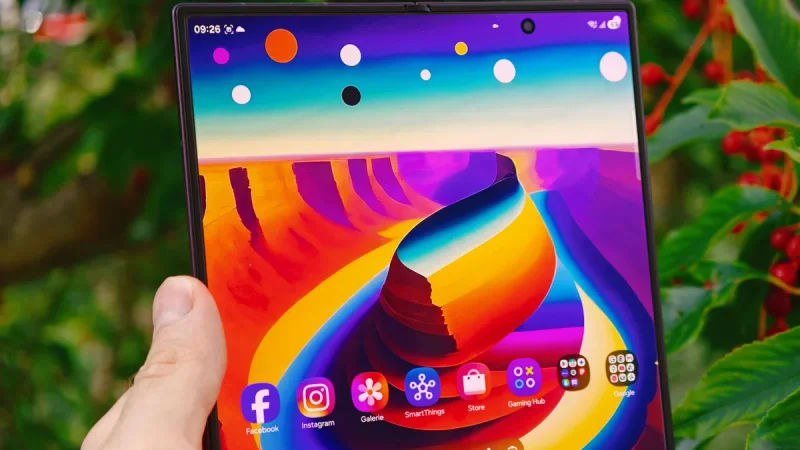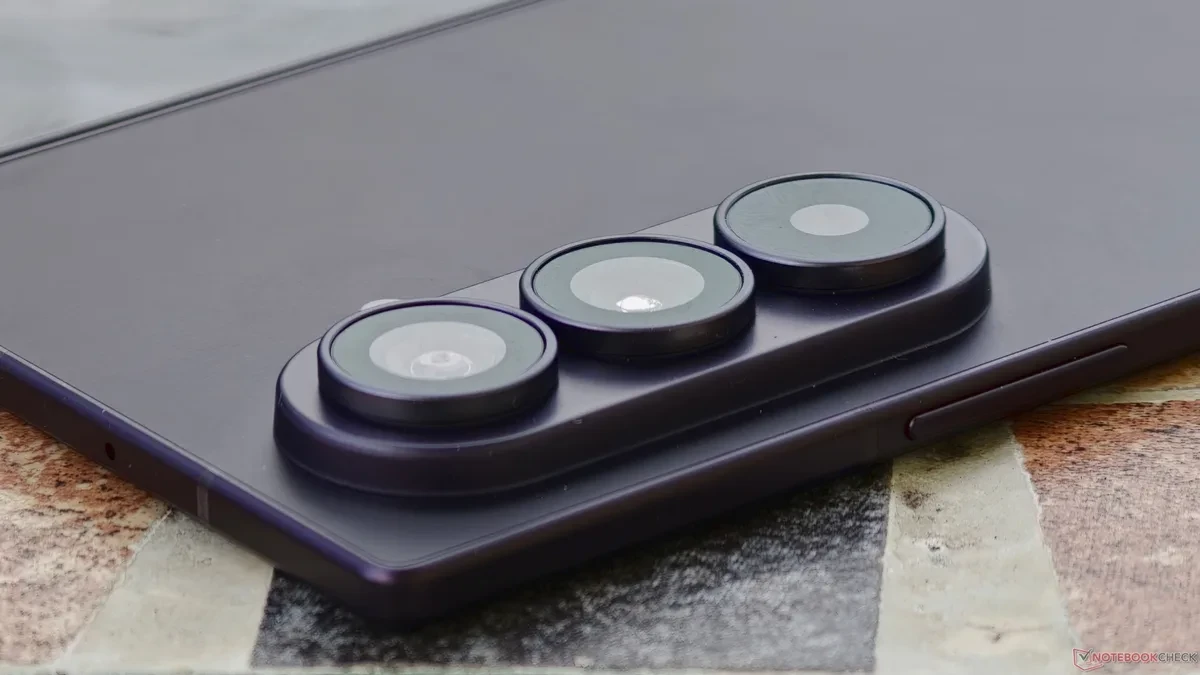
Foldable smartphones have come a long way in acoustic engineering, squeezing surprisingly rich sound out of ultra-thin frames. Samsung's latest generation pushes those physical limits even further, with the flagship Galaxy Z Fold8 Ultra measuring a mere 4.1 millimeters thick when unfolded while delivering punchy bass and clean volume topping 87 dB(A). In laboratory pink-noise testing, both the standard Galaxy Z Fold8 and the Ultra tier outshine traditional slab flagships like the Galaxy S26 Ultra.
However, beneath these impressive frequency charts lies an ergonomic compromise that could frustrate mobile moviegoers and gamers. While the pricing for the Ultra model hovers around $2,200 (€2,000), buyers eyeing the standard Galaxy Z Fold8 will have to contend with an unusual spatial audio design: when rotated into landscape mode, its stereo speaker array collapses entirely onto one side of the device.
Linear Acoustics in a 4.1 mm Frame
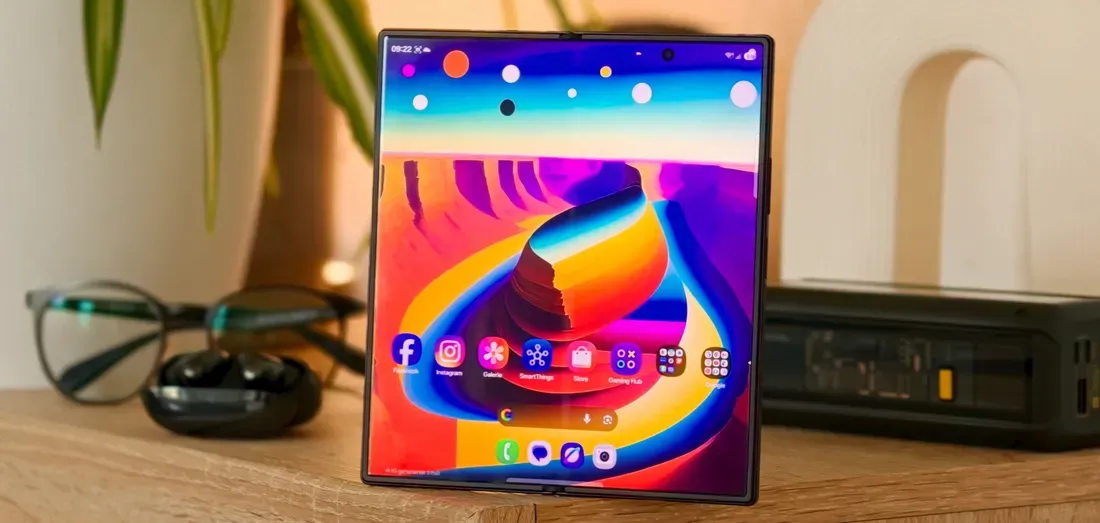
Integrating capable speaker drivers into a phone chassis barely four millimeters thick presents severe thermal and physical obstacles. Drivers require back-volume to push air effectively, which usually forces thin smartphones to produce tinny, treble-heavy audio devoid of low-end resonance. The Galaxy Z Fold8 Ultra circumvents this physical limitation through custom driver tuning that yields a strikingly linear frequency response across the audible spectrum.
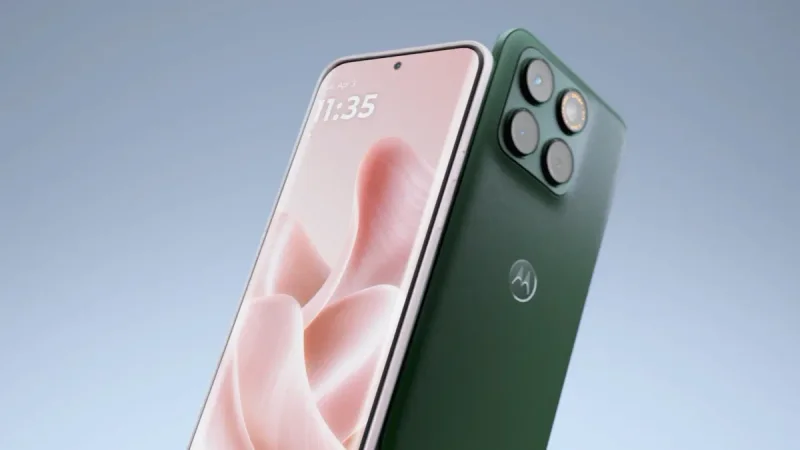
According to objective measurement data, the Z Fold8 Ultra delivers measurable bass performance that remains coherent even near its maximum output threshold. Achieving over 87 dB(A) of sound pressure allows the device to fill a small room without harsh clipping or distortion. In direct pink-noise acoustic evaluations, both the standard Fold8 and the Fold8 Ultra registered cleaner output than Samsung's top non-folding flagship, the Galaxy S26 Ultra. In fact, the standard Fold8 actually demonstrates a slightly smoother response curve in ultra-high frequencies than its Ultra sibling.
The Landscape Soundstage Dilemma
Despite the excellent driver hardware in both models, physical speaker placement introduces a stark functional rift between the two devices. Due to a revised, wider aspect ratio on the standard Galaxy Z Fold8, Samsung grouped both speaker grilles along the left side of the chassis when the internal display is opened and rotated 90 degrees into landscape orientation.
This layout means that watching widescreen videos, playing games, or streaming music with the phone rotated sideways causes the entire soundstage to shift heavily to the left. Channel separation becomes virtually non-existent because sound originates from a single flank. By contrast, the larger Galaxy Z Fold8 Ultra retains speaker grilles on opposing left and right edges in landscape mode, preserving true spatial separation and a balanced stereo field.
Real-World Utility and Buyer Verdict
Is this spatial imbalance obvious during daily use? For media consumers who frequently watch video clips or play orientation-locked games without headphones, the left-skewed output on the standard Fold8 is immediately noticeable. Sound effects that should travel across the screen remain tethered to one side, breaking acoustic immersion.
However, context matters. Neither foldable serves as an ideal widescreen movie canvas, as the near-square aspect ratio of the main folding display produces wide black bars above and below 16:9 or 21:9 video content. For casual users, the raw volume and fidelity of the standard Fold8 may suffice. But for audiophiles and mobile gamers demanding proper channel separation without relying on wireless earbuds, the Galaxy Z Fold8 Ultra remains the only model in the lineup that preserves true stereo geometry in every orientation.