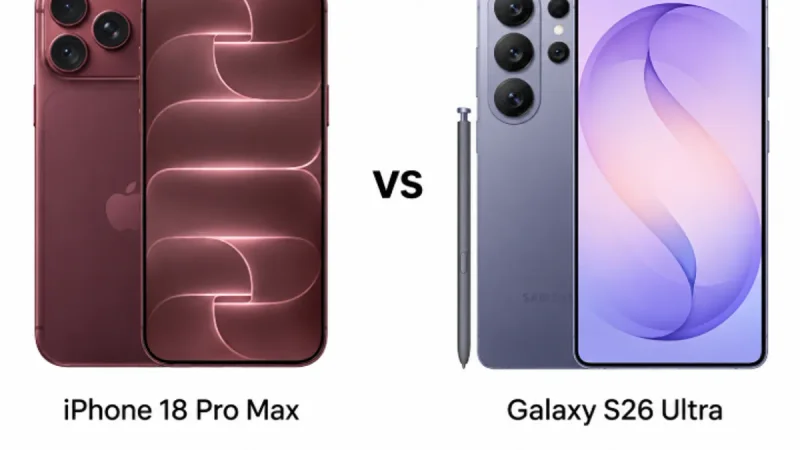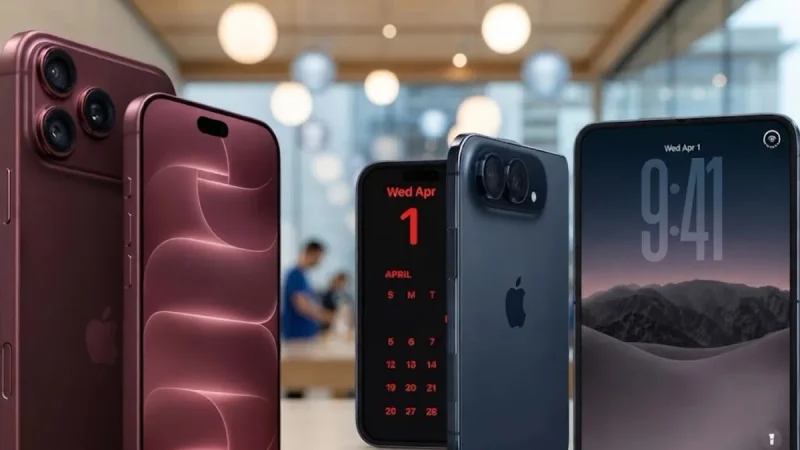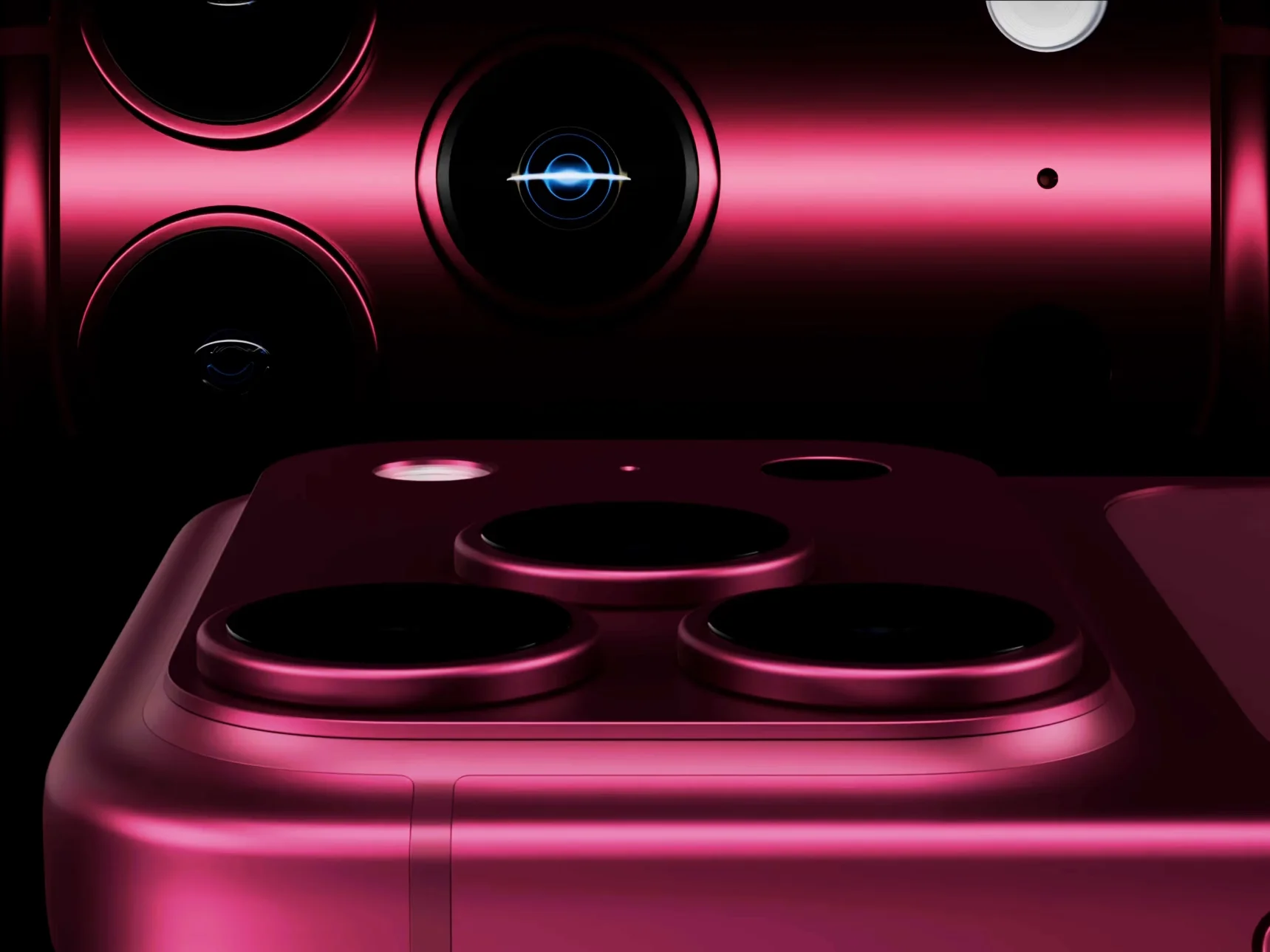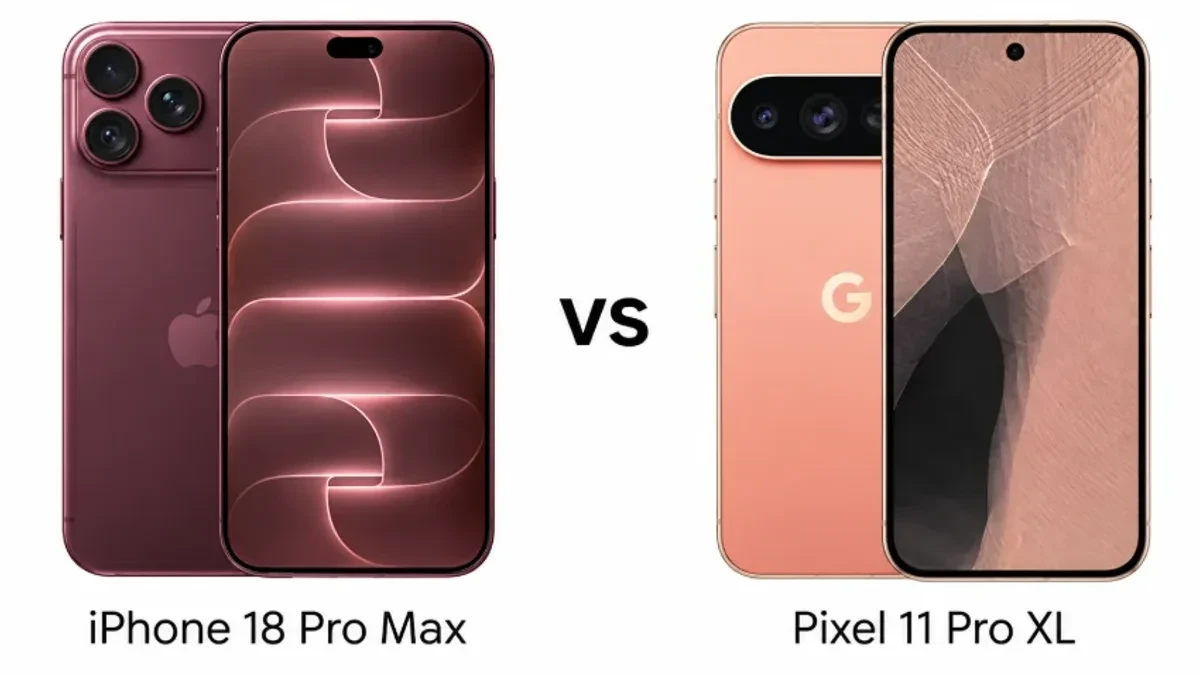
In the high-stakes world of premium mobile technology, the $1,300 price bracket represents the pinnacle of what manufacturers can achieve. The iPhone 18 Pro Max and the Google Pixel 11 Pro XL offer two distinct visions for the modern flagship. While Apple doubles down on raw silicon performance, professional-grade video production, and a tightly integrated ecosystem, Google leans heavily into computational photography, aggressive AI feature sets, and the granular flexibility of the Android platform.
For most users, the decision is no longer about which phone is objectively faster, but which device aligns better with their daily workflow. Whether you are a creator needing a mobile studio in your pocket or a power user who prioritizes software assistance, these two devices define the current state of the industry.
Design and Display Philosophies
Apple has refined the construction of the iPhone 18 Pro Max to emphasize durability. By pairing a Ceramic Shield 2 front with a reinforced frame, the device feels built for longevity. It is a refinement of a known quantity, favoring a cohesive hardware experience that integrates seamlessly with the rest of the Apple ecosystem. The 6.9-inch LTPO OLED display remains a standout, particularly for those who rely on Dolby Vision for high-end content consumption.
Conversely, the Pixel 11 Pro XL utilizes Gorilla Glass Victus 2 and leans into a more distinct aesthetic that fans of the brand have come to expect. While Apple focuses on color accuracy and deep integration, Google pushes the hardware to its limit with a panel that hits an impressive 3,600 nits of peak brightness. For users who frequently work outdoors or under harsh lighting, the Pixel display provides a tangible advantage in legibility.
Performance, Silicon, and AI
Under the hood, the divergence in strategy becomes clear. The A20 Pro chipset, built on a 2nm process, is a performance-first engine. It handles high-frame-rate gaming and complex video rendering with ease, making it the clear choice for users who push their hardware with sustained, demanding tasks. Apple's 12GB of RAM is optimized specifically for its own software, ensuring that the device remains fluid even under heavy multitasking.
Google takes a different route with the Tensor G6. While it may not win every raw benchmark against Apple's silicon, it is designed specifically for AI-driven workloads. With up to 16GB of RAM at its disposal, the Pixel is better equipped to handle background AI processes, computational photography, and the deep, context-aware features that define the modern Android experience. If your day-to-day involves voice-to-text, real-time translation, or advanced photo editing, the Pixel's architecture is built to serve those specific needs.
The Battle of the Lenses
Photography remains the primary differentiator for many flagship buyers. The iPhone 18 Pro Max remains the industry leader for mobile video, offering ProRes RAW, Apple Log 2, and 4K recording at 120fps. For professional creators, these tools are indispensable, turning the phone into a legitimate secondary camera for production work.
Pixel 11 Pro XL, however, is a still-photography powerhouse. Its 5x optical zoom provides more reach than the iPhone's 4x lens, and its suite of AI tools like Best Take and Zoom Enhance gives users a safety net for capturing perfect shots in imperfect conditions. While the iPhone is the superior tool for videographers, the Pixel provides a more versatile and forgiving experience for the average photographer.