
Smartphone photography has pushed well past incremental software tweaks into mechanical optics, massive 1-inch sensors, and dedicated modular teleconverter kits. In 2026, mobile flagships are directly challenging standalone mirrorless setups, giving creators physical focal flexibility right out of their pockets.
Whether you want physical aperture control, massive periscope zoom reach, or authentic film color rendering, these seven smartphones represent the absolute pinnacle of mobile imaging engineering right now.
1. Vivo X300 Ultra: The Modular Imaging Flagship
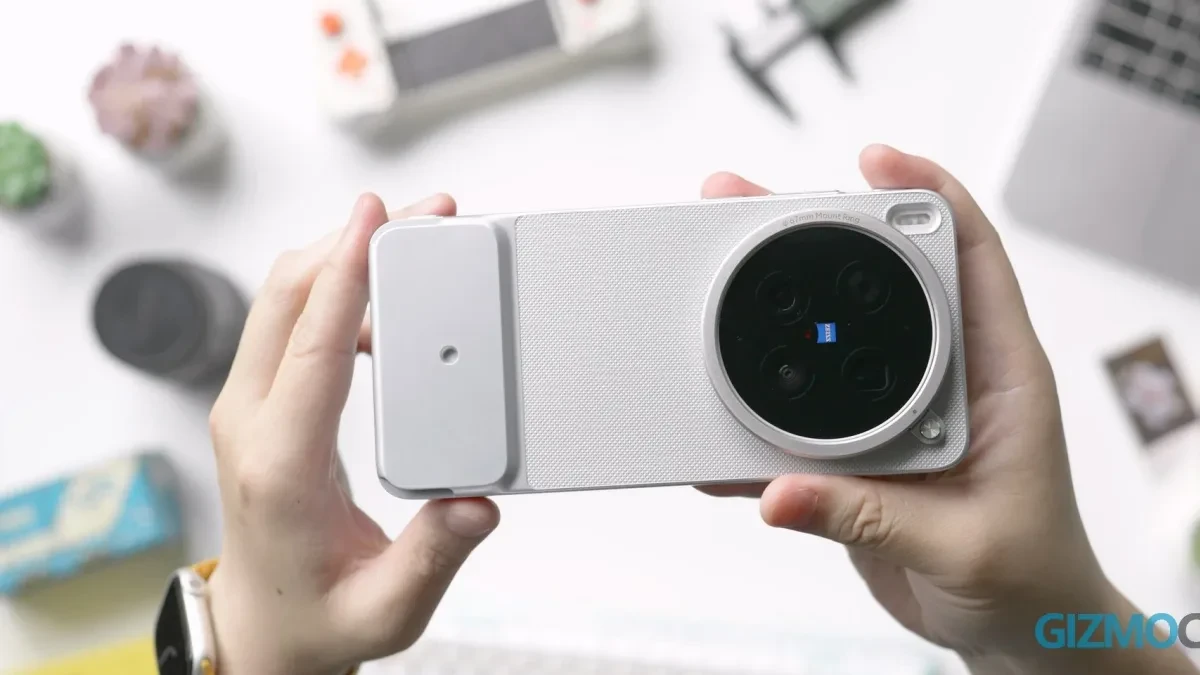
Vivo treats the X300 Ultra as a serious pocket camera rather than an ordinary smartphone. Built around a 200MP 35mm main camera using Sony's LYTIA 901 sensor, it pairs with a 200MP 85mm gimbal-stabilized periscope telephoto lens and a 50MP 14mm ultra-wide shooter.
The phone truly distinguishes itself through physical modularity. Vivo's optional Professional Imaging Kit adds a solid grip alongside physical Zeiss teleconverter attachments: a 200mm lens providing an 8.7x optical reach and an expansive 400mm super-telephoto module. A dedicated 5MP spectral sensor combined with Blueprint Original Color technology guarantees natural, lifelike tones across tricky lighting setups.
2. Oppo Find X9 Ultra: Hasselblad Heritage with Extended Zoom
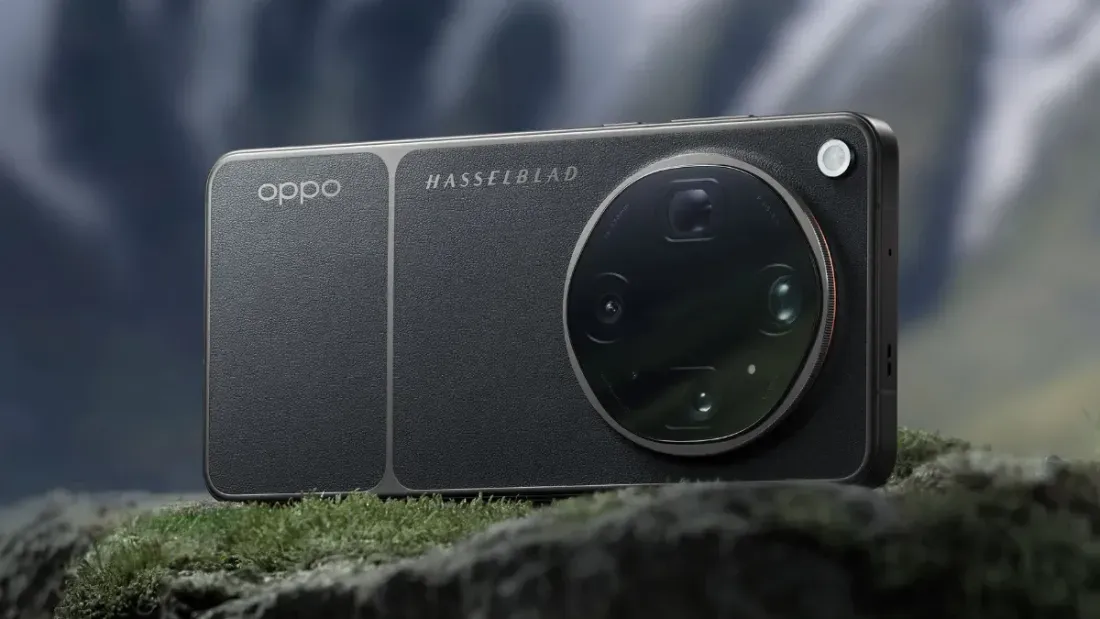
Oppo continues its partnership with Hasselblad on the Find X9 Ultra, wrapped in an eco-leather chassis holding a six-lens camera matrix. The primary setup includes a 200MP main sensor, a 200MP telephoto, and a dedicated 10x optical zoom Hasselblad periscope unit maintaining clean optical performance up to 20x.
Oppo's internal LUMO optical zoom architecture quadruples pixel data across 2x and 6x ranges to preserve edge sharpness. Photography enthusiasts also get Hasselblad Master Mode with 8K photo capture and analog film profiles, while the optional Hasselblad Earth Explorer Kit brings a teleconverter, a shutter grip, and a 67mm threaded filter adapter ring.
3. Apple iPhone 18 Pro and Pro Max: Mechanical Aperture Precision
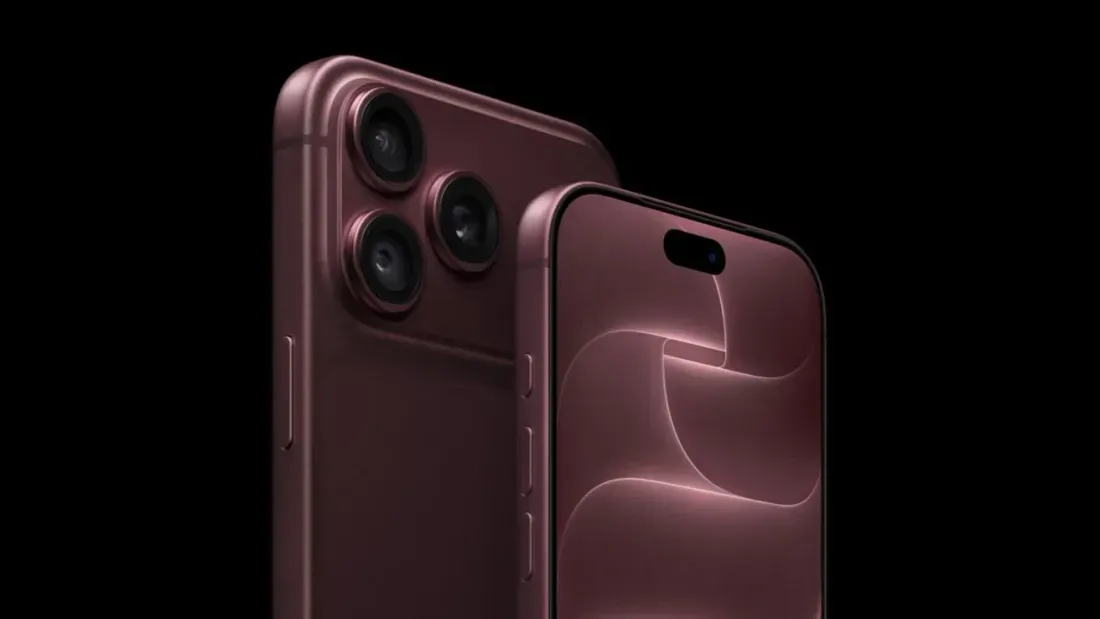
Apple brought major optical advancements to the iPhone 18 Pro and Pro Max with an all-new 48MP Fusion Main camera featuring a mechanical variable aperture. Using a rotor system with six laser-cut blades, it shifts smoothly between four preset stops, opening up to f/1.48 for clean low-light capture and authentic shallow depth of field.
The main camera is complemented by a 48MP ultra-wide and a 48MP telephoto lens, providing a flexible 16x optical zoom range. Driven by the 2nm A20 Pro processor, the system records 4K Dolby Vision video at 120fps with algorithmic dialogue separation. Apple also integrated cryptographic image signing and SynthID metadata tracking to ensure verified image provenance right inside the Photos app.
4. Samsung Galaxy S26 Ultra: Low-Light Dominance and APV Video
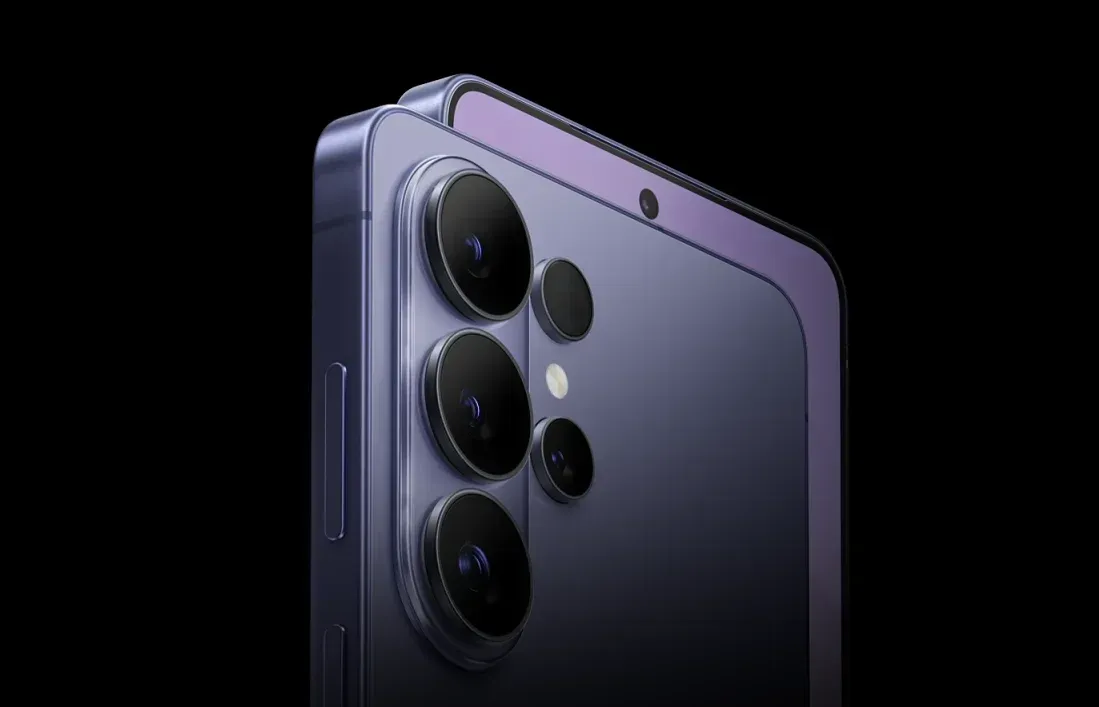
Samsung engineered the Galaxy S26 Ultra for demanding night shooting and videography. The wide f/1.4 aperture on the 200MP main camera and an f/1.9 aperture on the 50MP ultra-wide sensor let in substantially more light, minimizing reliance on heavy noise reduction.
Zoom remains dependable with a 10MP 3x telephoto and a 50MP 5x periscope camera. Videographers benefit from native Advanced Professional Video (APV) codec support, which retains master-level detail while saving internal storage space, alongside enhanced Super Steady stabilization and an updated AI front-camera processor for accurate portrait skin tones.
5. Xiaomi 17 Ultra: Leica Optics and Shutter Tactility
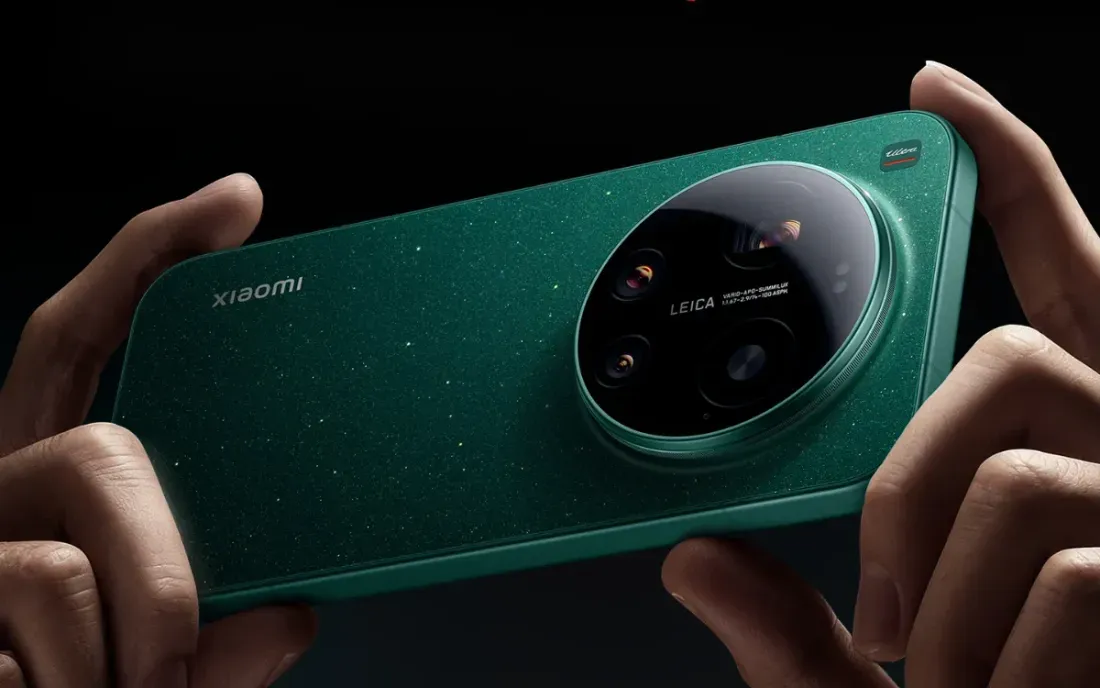
Xiaomi and Leica continue refining classic optical rendering on the Xiaomi 17 Ultra. The signature circular camera housing holds a large 1-inch type primary sensor with a variable aperture, supported by triple 50MP modules for ultra-wide, 3x telephoto, and 5x periscope framing.
Driven by Xiaomi's custom Surge processing silicon, the device shoots with practically zero shutter lag while delivering Leica's high-contrast, rich aesthetic. An optional Photography Kit adds a two-stage physical shutter button, a mechanical zoom rocker, and a 67mm thread for standard lens filters.
6. Google Pixel 11 Pro and Pro XL: Computational Power via Tensor G6
Google's Pixel 11 Pro line updates its iconic camera bar with a 50MP stabilized main sensor, a 48MP macro-capable ultra-wide, and an enlarged 48MP 5x telephoto module capturing 30% more ambient light. Up front, a 42MP autofocus sensor handles wide-angle group framing.
The Tensor G6 chipset boosts TPU processing speed significantly, accelerating Night Sight captures by 4.5 times and powering up to 120x Pro Res Zoom and 8K Video Boost processing. The rear camera housing also adds HiLight, an LED notification ring for call alerts and Gemini feedback when resting face down.
7. Vivo X300 Pro: Flagship Optics at a Balanced Tier
For mobile photographers wanting top-tier glass without the Ultra price tag, the Vivo X300 Pro delivers exceptional performance. It debuts the 50MP Sony LYT828 sensor alongside a 50MP ultra-wide and the Ultra's acclaimed 200MP periscope zoom.
Fueled by Vivo's proprietary V3+ and VS1 dual imaging coprocessors, it excels at 4K HDR cinematic portrait video. It also supports Vivo's Zeiss 2.35x telephoto extender attachment, offering creative focal reach at a more accessible entry point.