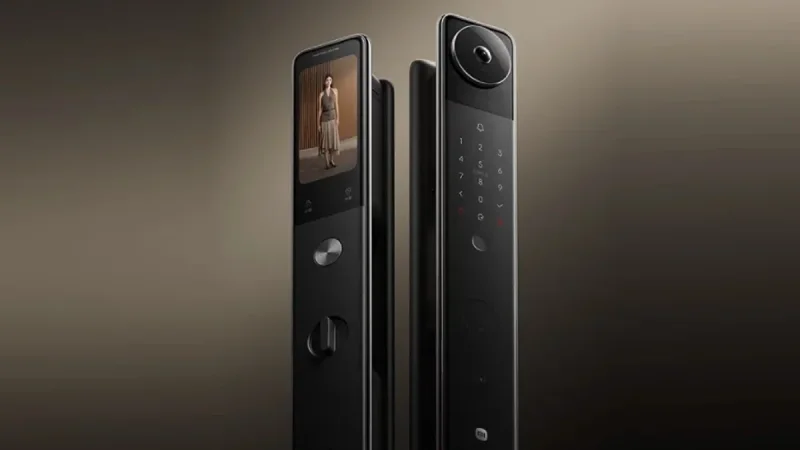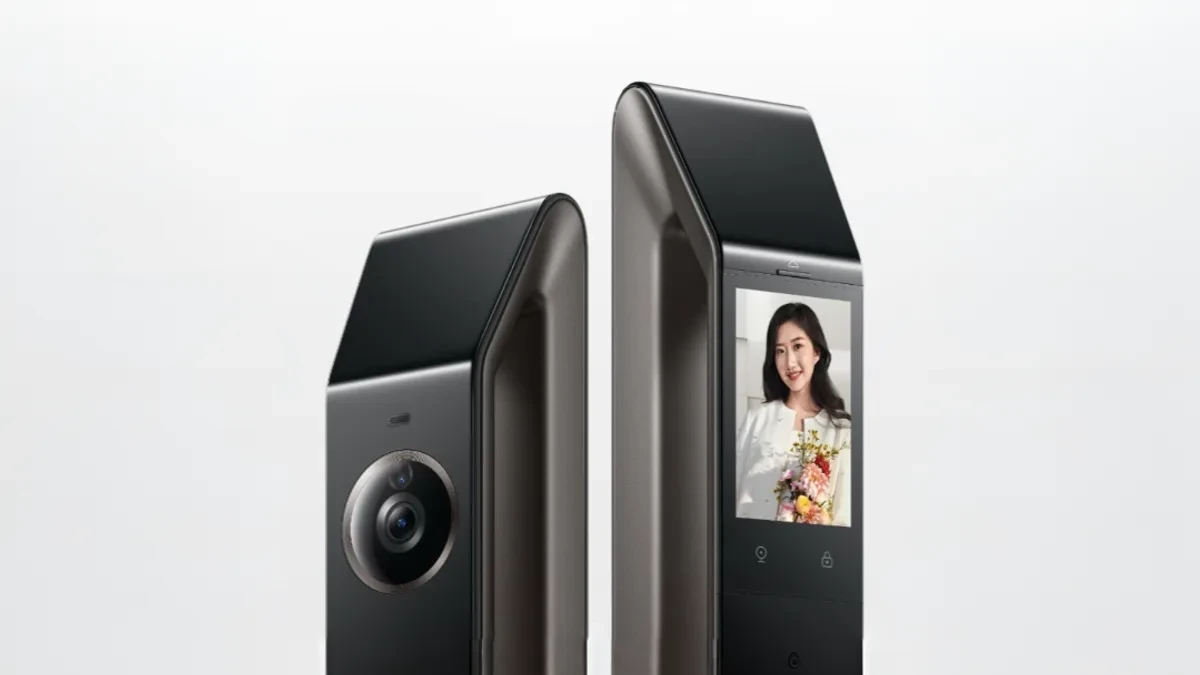
Smart locks have long promised convenience, but they often come with a nagging fear: what happens when the battery dies? Huawei is addressing this anxiety head-on with the launch of its Smart Door Lock 2 Pro Enjoy Edition. By integrating a sophisticated triple-layer power backup system alongside advanced biometric security, the company aims to ensure that users are never stranded on their own doorstep.
The device is currently available for reservation in China via JD.com, priced at approximately $402 (2,699 Yuan), with shipments slated to begin on September 23rd. Beyond its power redundancy, the hardware emphasizes rapid, secure entry through a 3D Time-of-Flight (ToF) sensor that maps over 307,000 depth points on a user's face to enable near-instant authentication.
Biometric Accuracy and Security
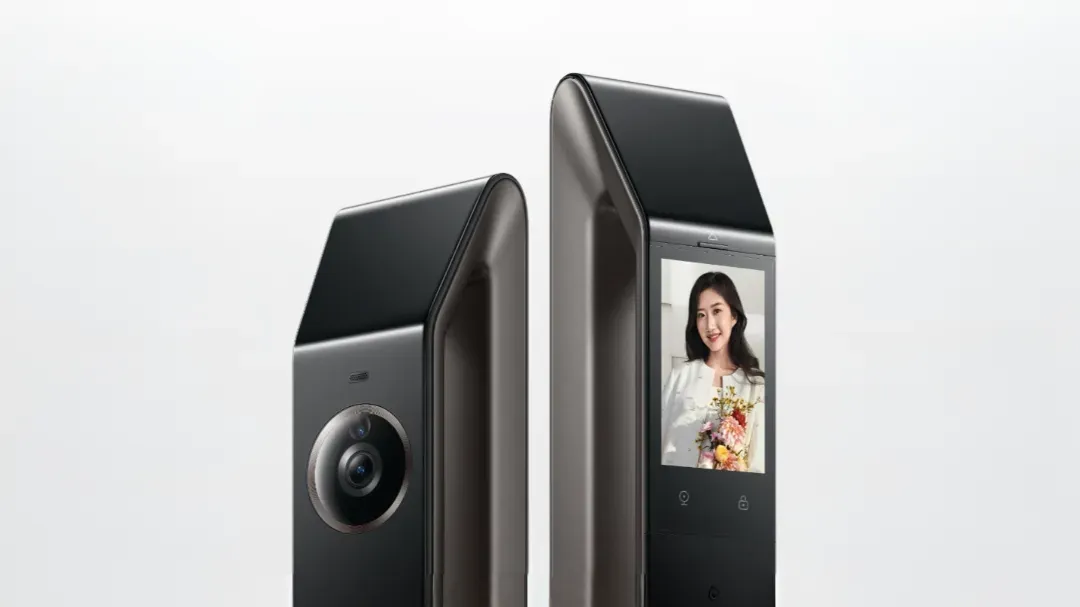
The 3D ToF facial recognition system is engineered to be both inclusive and secure. It accommodates individuals ranging from 1.2 to 2.0 meters in height, making it effective for both children and adults. The sensor is capable of processing authentication in roughly 0.8 seconds, even when approached at angles of up to 30 degrees. To prevent spoofing, the system employs liveness detection that identifies and rejects photographs or 3D models. Furthermore, a dynamic learning algorithm allows the lock to adapt to subtle changes in a user’s appearance over time.
For added security, the exterior panel functions as a comprehensive video doorbell. Equipped with a 161-degree wide-angle camera, it uses AI-powered human detection to monitor for suspicious activity. When the doorbell is triggered, it streams live video to connected HarmonyOS devices, such as smartphones or smart displays, and facilitates two-way audio communication.
A Triple-Layer Power Strategy

The most distinctive feature of this model is its redundant power architecture. The primary power source is a 10,000mAh rechargeable lithium battery, which is designed to sustain all smart features and camera functions for four to six months. When that battery requires removal for charging, the lock automatically transitions to a secondary power source consisting of four standard AA batteries, which can handle basic unlocking operations for up to seven months.
In the event that both primary and secondary power sources are fully depleted, users are not left without options. A dedicated red physical emergency button triggers an independent reserve power supply. This backup provides just enough electricity to permit entry via fingerprint or PIN code, with Huawei stating the reserve can support up to five activations over a six-month period.
Privacy and Durability
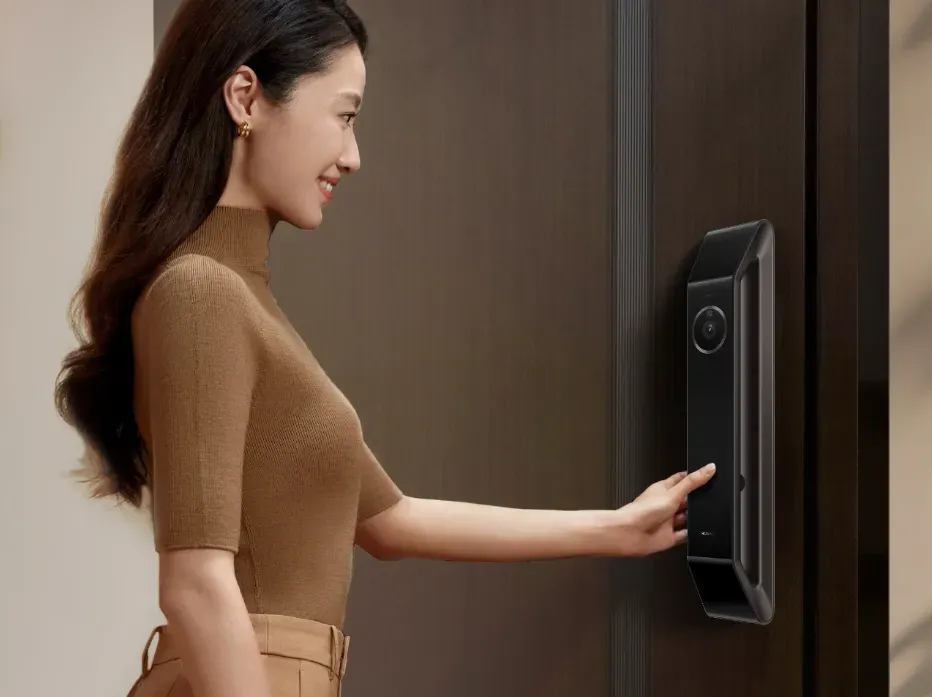
Constructed with a die-cast body and a C-grade lock cylinder, the device is designed for physical robustness. Huawei has also addressed user privacy concerns by ensuring that all biometric data, including facial and fingerprint profiles, is encrypted and stored locally on the device rather than transmitted to the cloud. While the initial launch is focused on the Chinese market, the feature set positions this lock as a compelling option for those prioritizing both high-tech convenience and fail-safe reliability.