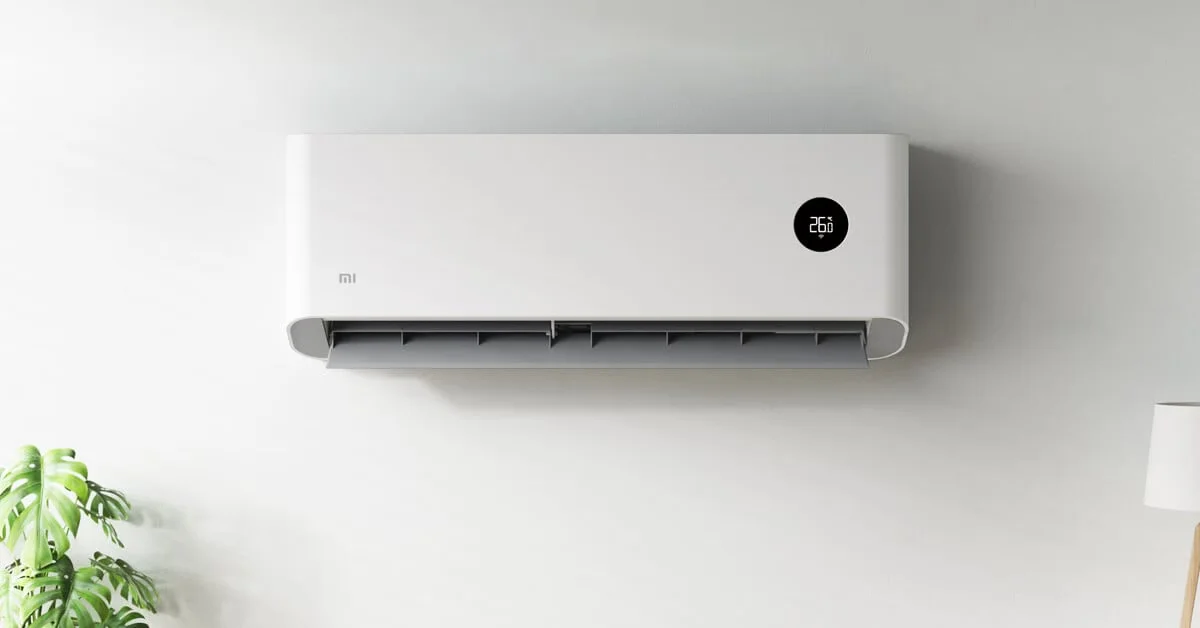
Why does your air conditioner always feel sluggish when you get home? Xiaomi’s new AI-powered Mijia Air Conditioner Strong Wind Pro claims to fix that by learning your habits and adjusting itself automatically. Whether this actually improves comfort or just adds another layer of complexity is the real question.
- AI chip inside the Mijia Air Conditioner Strong Wind Pro adapts cooling based on usage patterns
- System boosts cooling when you arrive home, then quiets down for sleep mode
- Xiaomi’s Robot Vacuum Mop 6 Max tackles complex rooms with smarter AI navigation
- Company commits $9 billion to AI research focusing on practical smart home hardware
Flagship Power, Mid-range Compromises
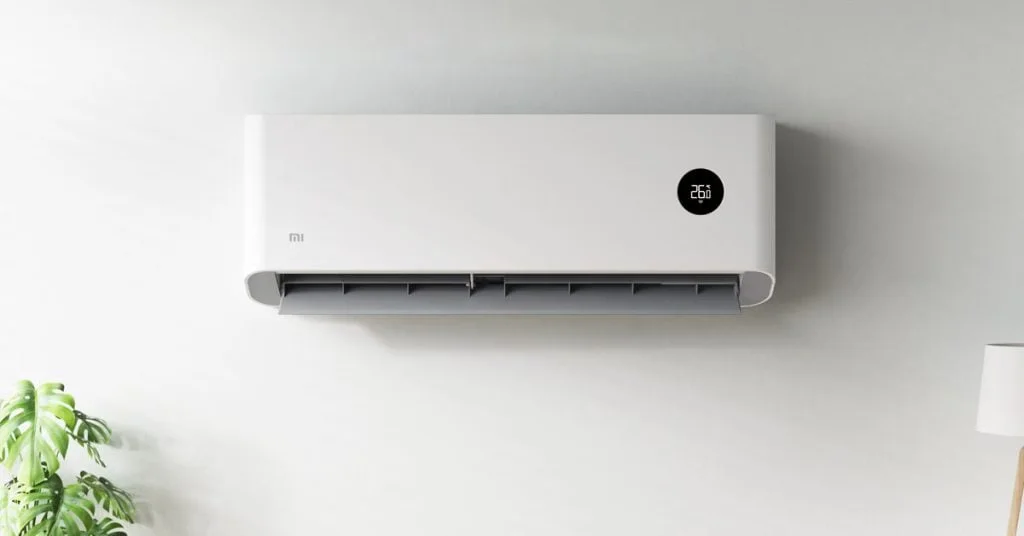
On paper, Xiaomi’s AI air conditioner sounds like a neat solution to a common gripe: waiting for your room to cool down. The unit combines an onboard AI chip with cloud-based machine learning to track when you’re home and adjust cooling accordingly. The idea is simple—blast cold air when you walk in, then dial it back at night.
The catch is simple: AI only works well if the data it collects is accurate and the algorithms are smart enough. Xiaomi’s approach beats fixed cooling curves that don’t adapt, but it’s still unclear how well it handles edge cases—like unexpected guests or varying weather.
Three Hours to Full Chill? Don’t Hold Your Breath
Xiaomi hasn’t released clear data on how fast the Mijia Air Conditioner Strong Wind Pro can cool a room in real-world conditions. Early reports suggest the AI can speed things up, but the hardware itself still follows the same physics: cooling large spaces takes time.
Also, the all-day battery claim some smart appliance makers hint at doesn’t apply here—air conditioners run on mains power. But energy efficiency is the real selling point. The AI claims to reduce wasted power by lowering output during sleep, which could shave off some electricity bills if it works as intended.
Robot Vacuum Mop 6 Max: Smarter Cleaning or Overhyped?
Xiaomi’s new robot vacuum promises better obstacle avoidance and fewer missed spots—something many robot vacuums struggle with. The Mop 6 Max uses AI to understand complex layouts, a step up from simple bump sensors.
However, complex rooms still pose challenges for any robot vacuum. AI can help, but don’t expect it to replace manual vacuuming anytime soon.
AI Investment: Real Innovation or Buzzword Spending?
Xiaomi’s $9 billion commitment to AI research sounds impressive. Unlike some brands chasing flashy chatbots and voice assistants, Xiaomi focuses on practical AI baked into home appliances.
This grounded strategy could pay off if the machines genuinely improve user experience and save energy. But AI hype often outpaces real benefits, so watch for actual performance before upgrading your entire home.
The Big Picture
Xiaomi’s push to embed AI into everyday appliances signals a shift from gimmicks to subtle intelligence in smart homes. The Mijia Air Conditioner Strong Wind Pro and Robot Vacuum Mop 6 Max are promising steps toward devices that manage themselves rather than waiting for input.
Still, the devil’s in the details—how well the AI adapts, how much energy it saves, and whether it justifies the price premium remain open questions. For now, Xiaomi’s AI air conditioner is a curious experiment rather than a must-have upgrade.
For users tired of waiting for their room to cool down or floors to get cleaned, Xiaomi’s AI approach might offer a glimpse of smarter appliances. But don’t expect miracles—real-world performance will decide if this is smart tech or just smart marketing.
(Via)