Leica D-Lux 8 vs Lumix L10: A Closer Look at Two Compact Cameras
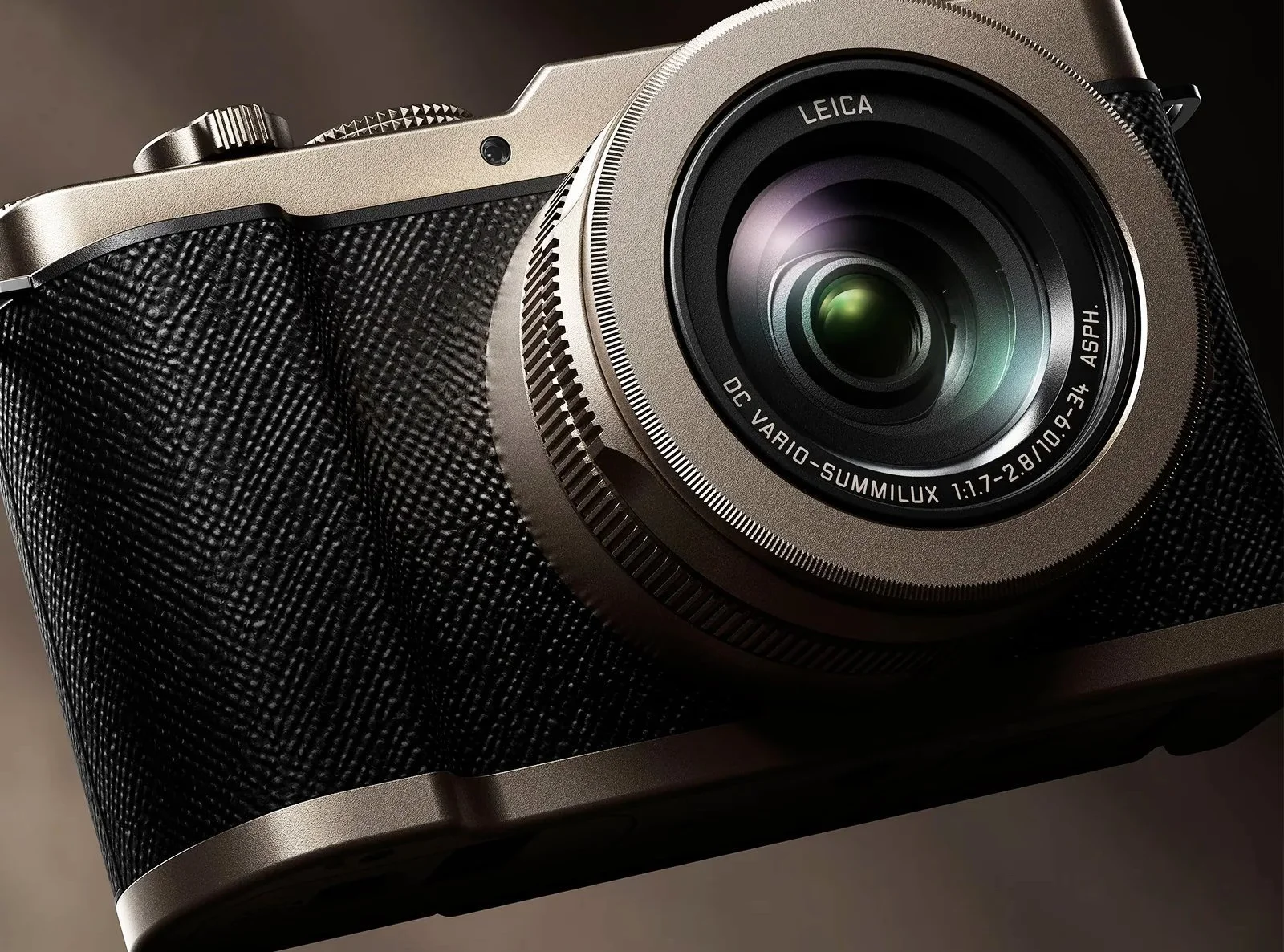
When choosing a premium compact camera, the Leica D-Lux 8 and Panasonic’s new Lumix L10 stand out, each catering to different priorities. Although the Leica D-Lux 8 carries a higher price tag, it remains the preferred option for photographers invested in the Leica ecosystem. Meanwhile, the Lumix L10 offers notable technical upgrades at a friendlier price point.
Shared Features Highlight Leica D-Lux 8 and Lumix L10 Similarities
Both cameras share a Leica-designed lens with a 24-75mm equivalent focal length and a bright maximum aperture of f/1.7 to f/2.8, enabling sharp images with pleasing depth of field. They also employ a FourThirds sensor cropped in various aspect ratios (3:2, 4:3, 16:9, or 1:1) and feature optical image stabilization. Macro mode allows close focusing down to 3 centimeters, making them versatile for varied shooting situations.
Lumix L10 Leads in Image Quality and Speed
Technically, the Lumix L10 pushes ahead with a newer FourThirds sensor boasting 26.5 megapixels, although lens limitations effectively use 20.4 megapixels. This is a clear upgrade from the 17-megapixel sensor in the Leica D-Lux 8, potentially delivering greater dynamic range and reduced noise. Complemented by a more powerful processor, the L10 promises faster autofocus with nearly 16 times more autofocus points and can shoot at 30 frames per second—significantly faster than the D-Lux 8’s 11 fps.
Panasonic also improved ergonomics by adding a fold-out display and an ergonomically shaped grip, enhancing user comfort and framing flexibility.
Why Leica D-Lux 8 Remains a Top Pick for Leica Users
Despite its technical disadvantages, the D-Lux 8 is optimized for photographers already using Leica cameras like the M11, Q3, or SL3. Leica has fine-tuned the controls and menu system to mirror its full-frame models, including a dedicated shutter speed dial and programmable function buttons. This consistency simplifies switching between cameras within the Leica lineup.
Additional Leica-specific benefits include compatibility with Leica flashes, capturing images in open DNG format, and integration with the Leica Photos smartphone app, which differs from Panasonic’s Lumix Lab app. These features streamline workflows for photographers committed to Leica gear.
Choosing Between Performance and Leica Integration
For those prioritizing the latest sensor technology, faster autofocus, and enhanced ergonomics, the Lumix L10 offers compelling value at $1,499. Conversely, Leica enthusiasts may find the D-Lux 8’s tailored controls and workflow compatibility worth the premium price.
As Panasonic and Leica have collaborated on previous D-Lux models, a future Leica D-Lux 9 may combine the Lumix L10’s advancements with Leica’s refined user experience. Until then, buyers must weigh the trade-offs between image quality, speed, and ecosystem compatibility.
(Via)