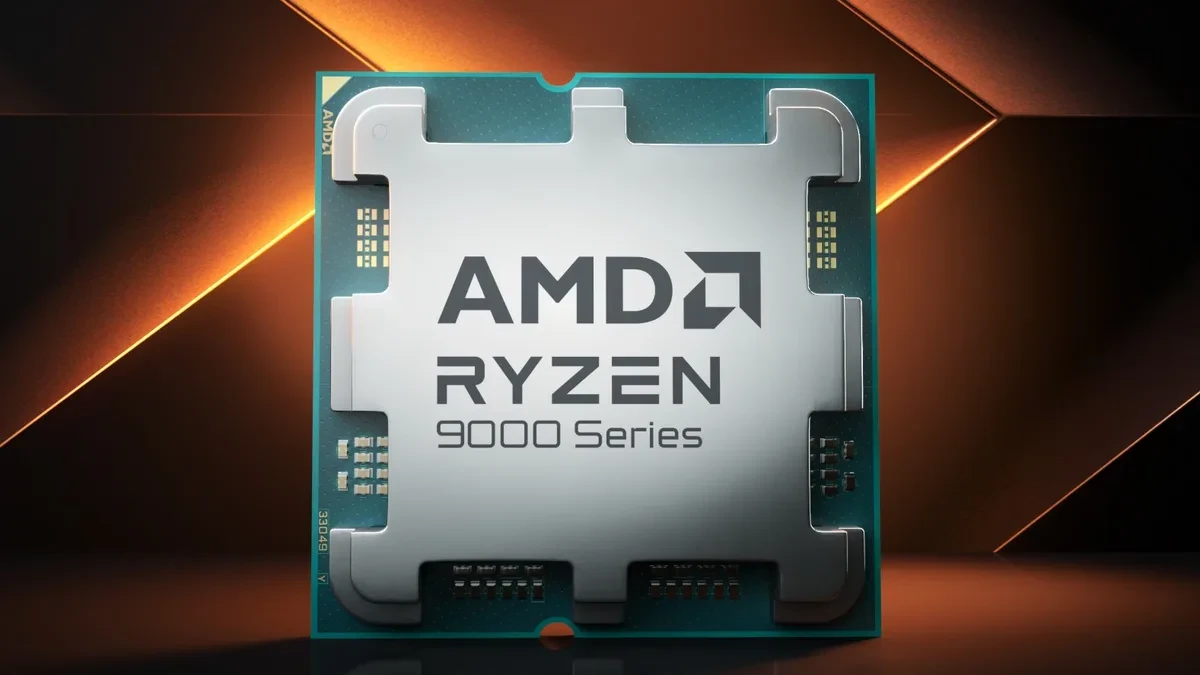
Building a custom PC has always been a game of balancing performance against a strictly defined budget. Unfortunately, that balance may become significantly harder to maintain by late 2026. Industry reports indicate that AMD is facing increased manufacturing costs from TSMC, the foundry responsible for producing its advanced silicon. With wafer prices climbing, AMD is reportedly considering passing these costs onto the market, which could result in a 10 percent price increase across key product categories including graphics processors and motherboard chipsets.
While the current reports specifically highlight AI accelerators and consumer GPUs, the ripple effect could inevitably reach the desktop CPU market. Because AMD relies on TSMC for its client processors, the margin pressure is undeniable. Even though Ryzen processors are not explicitly confirmed for this specific round of increases, the industry trend toward higher component pricing suggests that consumers should prepare for potential shifts in the cost of high-performance computing hardware.
The Ripple Effect of AI Demand
The driving force behind these potential price hikes is the insatiable demand for AI hardware. As tech giants scramble to secure capacity for high-end AI accelerators, advanced manufacturing nodes are becoming a premium commodity. This competition for silicon is not just affecting specialized chips; it is tightening supply and driving up costs for the entire semiconductor ecosystem. When a manufacturer like TSMC raises its wafer costs, the impact cascades downward, affecting everything from memory modules and SSDs to the very heart of your desktop.
Intel has already shown signs of this pressure, having increased the recommended customer pricing for specific Core Ultra desktop processors. If AMD follows suit, the cost of building a mid-to-high-end machine could climb by a noticeable margin. For those currently waiting for a dip in prices to start a new build, this news serves as a reminder that component costs are rarely static and often subject to global supply chain volatility.
Should You Buy Now or Wait?
For the average consumer, the prospect of a 10 percent price hike is a significant concern. However, it is essential to distinguish between wholesale price adjustments for partners and the final retail price paid by the end user. AMD has not issued an official statement regarding specific price hikes for the Ryzen lineup, nor have they provided a timeline for such changes. The reported 10 percent figure represents a potential shift in the supply chain rather than a guaranteed increase at your favorite hardware retailer.
If you are currently in the market for a new processor or a dedicated graphics card, the best approach is to monitor current market pricing closely. While waiting for a potential "better deal" is a common strategy, current supply chain trends suggest that waiting might lead to higher prices rather than lower ones. If you find a component that meets your performance needs at a price you are comfortable with today, there may be little benefit in delaying your purchase for the sake of market speculation.