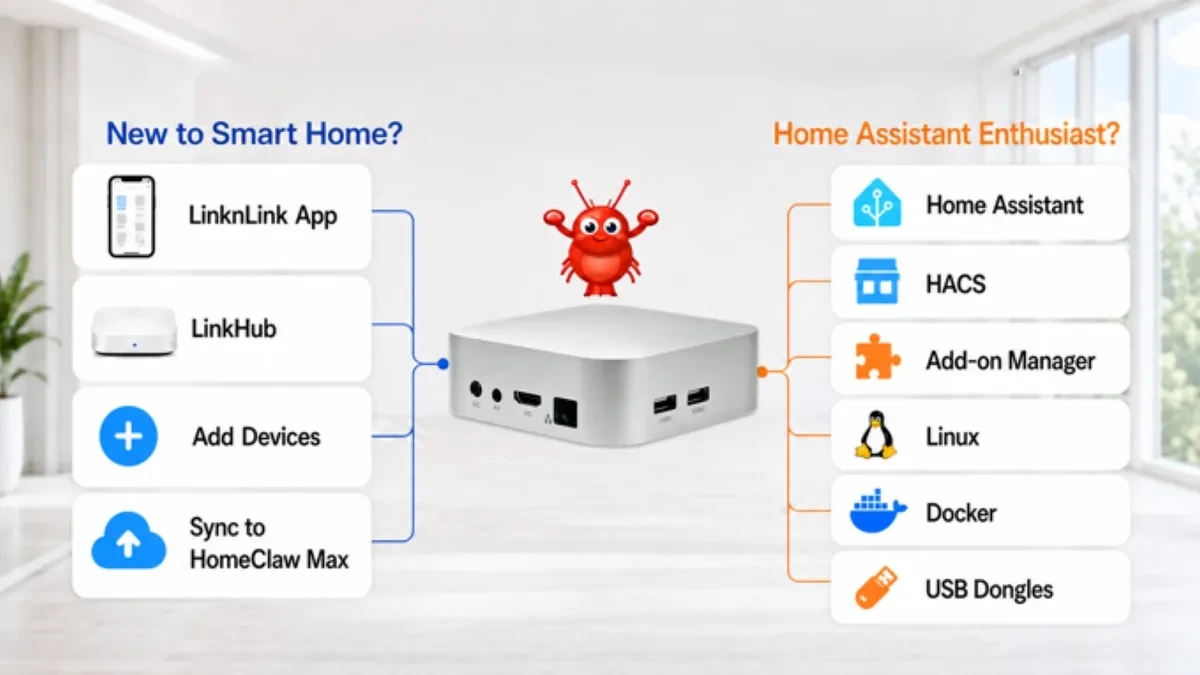
Setting up a robust smart home often feels like a part-time job. While platforms like Home Assistant offer unparalleled control, they typically demand a steep learning curve, frequent code tinkering, and hours of configuration. The new HomeClaw Max from LinknLink promises to bypass this barrier, positioning itself as a turn-key mini-PC that uses AI to translate your natural language requests into functional smart home automations.
At its core, the HomeClaw Max is a modest piece of hardware designed to run 24/7. It is built to serve as a bridge between the complex world of smart home protocols and the accessibility of conversational AI. By integrating either the 'Hermes Agent' or the 'OpenClaw' AI, the device aims to eliminate manual script writing. Instead of spending your weekend debugging YAML files, you simply tell the system what you want to happen, and the AI handles the logic behind the scenes.

Hardware Under the Hood

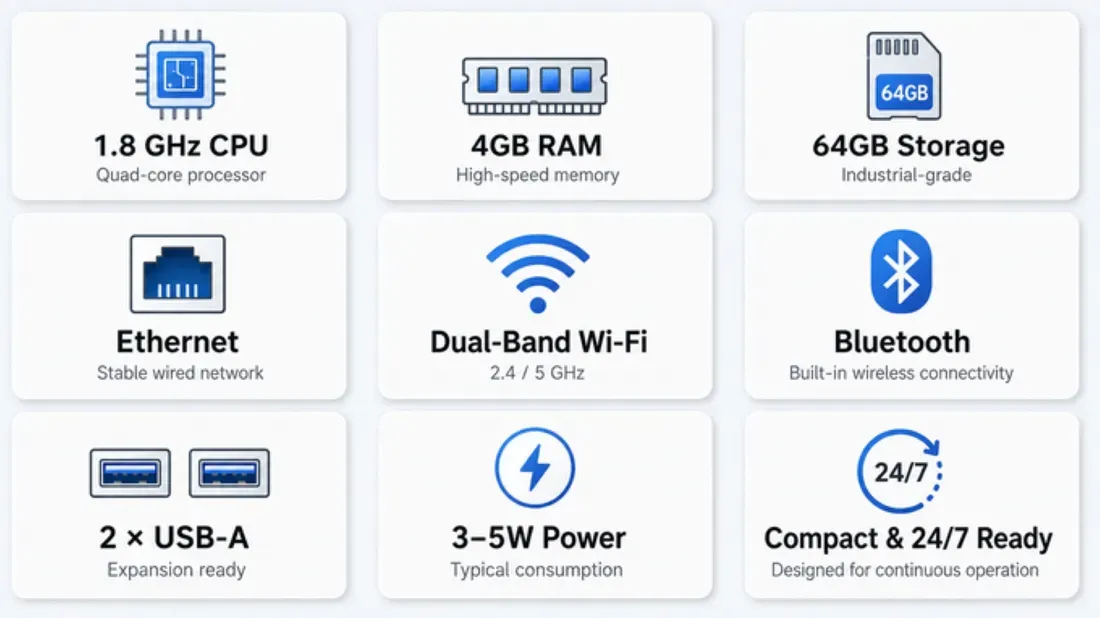
If you are looking for raw processing power, the HomeClaw Max is not the device for you. The manufacturer has opted for a conservative hardware profile, featuring a quad-core processor clocked at 1.8 GHz paired with 4 GB of RAM. While these specs might seem underwhelming by modern desktop standards, they are intentional. The primary goal is low-power efficiency, with the device drawing only 3 to 5 watts during operation. This makes it an ideal candidate for a home server that stays powered on around the clock without inflating your electricity bill.
Buyers have two storage configurations to choose from: a 64 GB base model and a 256 GB variant. Note that the entry-level model is limited to a 100 Mbps Ethernet port, while the 256 GB version upgrades to a full Gigabit connection. This distinction is worth considering if your smart home setup involves heavy data traffic or multiple high-resolution security camera feeds.
Pricing and Availability Considerations
Currently, the HomeClaw Max is available through a Kickstarter crowdfunding campaign. The base model is priced at approximately $100, while the higher-capacity version retails for around $170, with an additional $17 shipping fee. LinknLink expects to begin shipping units by the end of October.
It is important for prospective backers to weigh the risks. Crowdfunding carries inherent uncertainty regarding delivery timelines and final product performance. If you prefer a more established, albeit pricier, alternative, the Homey Pro remains a strong contender in the smart home hub market, offering a more polished experience for users who prefer to skip the risks of early-stage hardware campaigns. Ultimately, the HomeClaw Max is for the user who wants the power of Home Assistant but needs a helpful AI to bridge the gap between intent and execution.