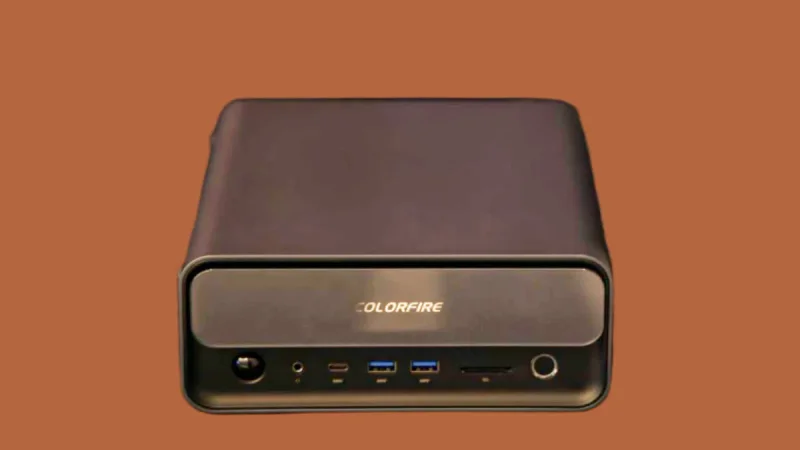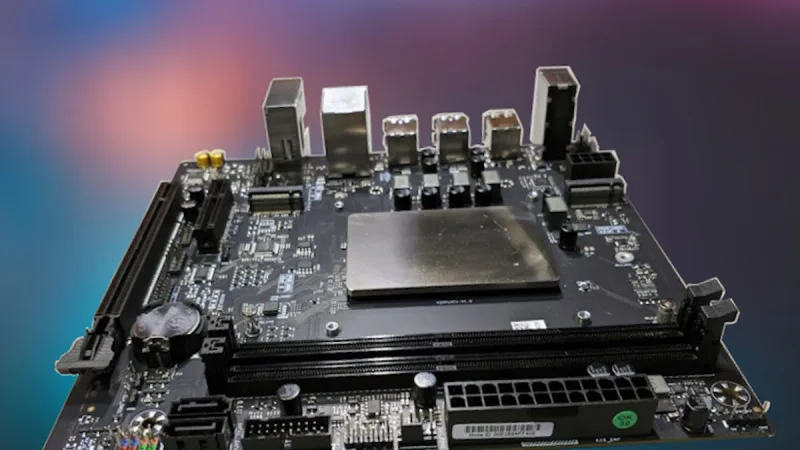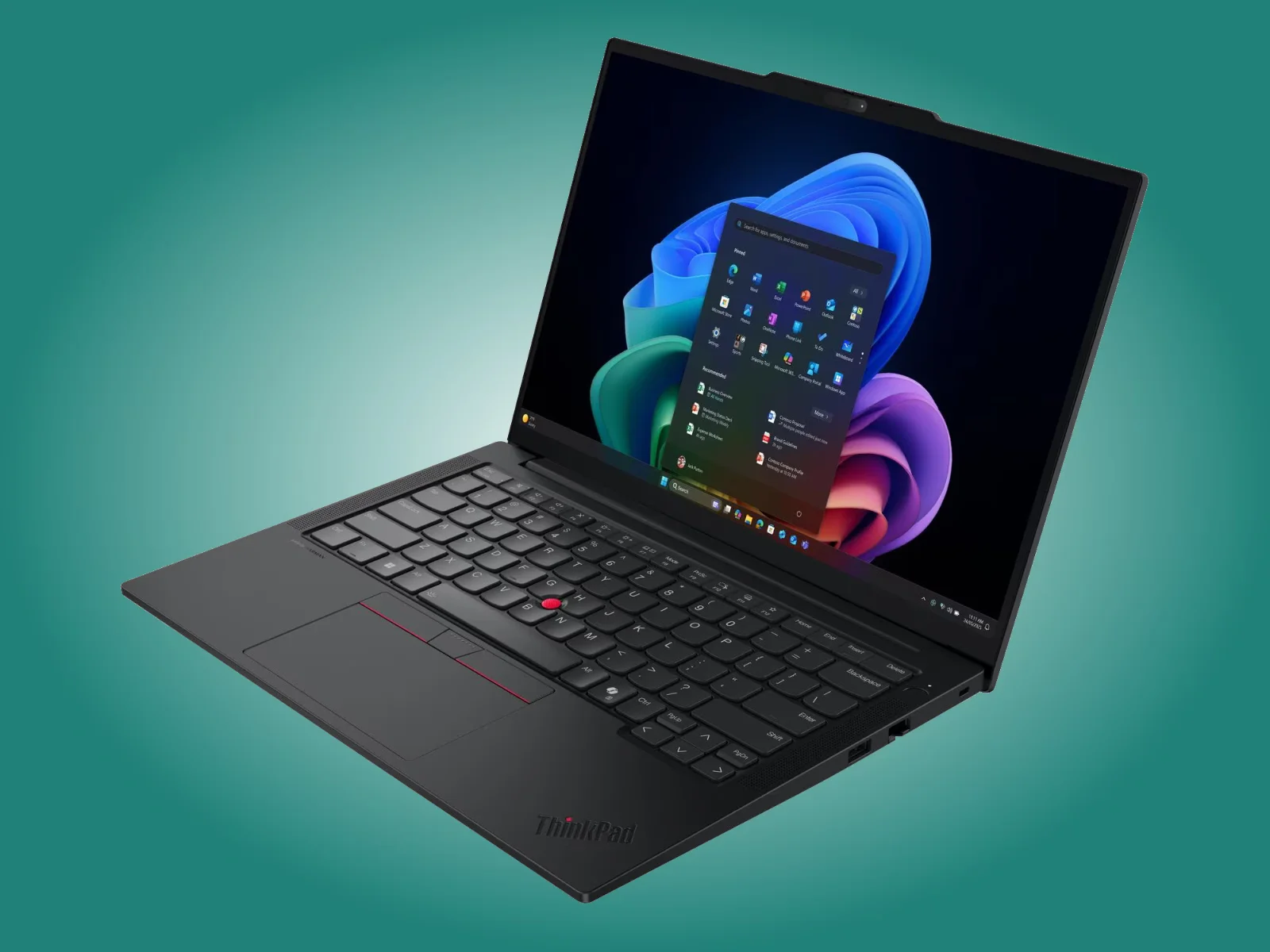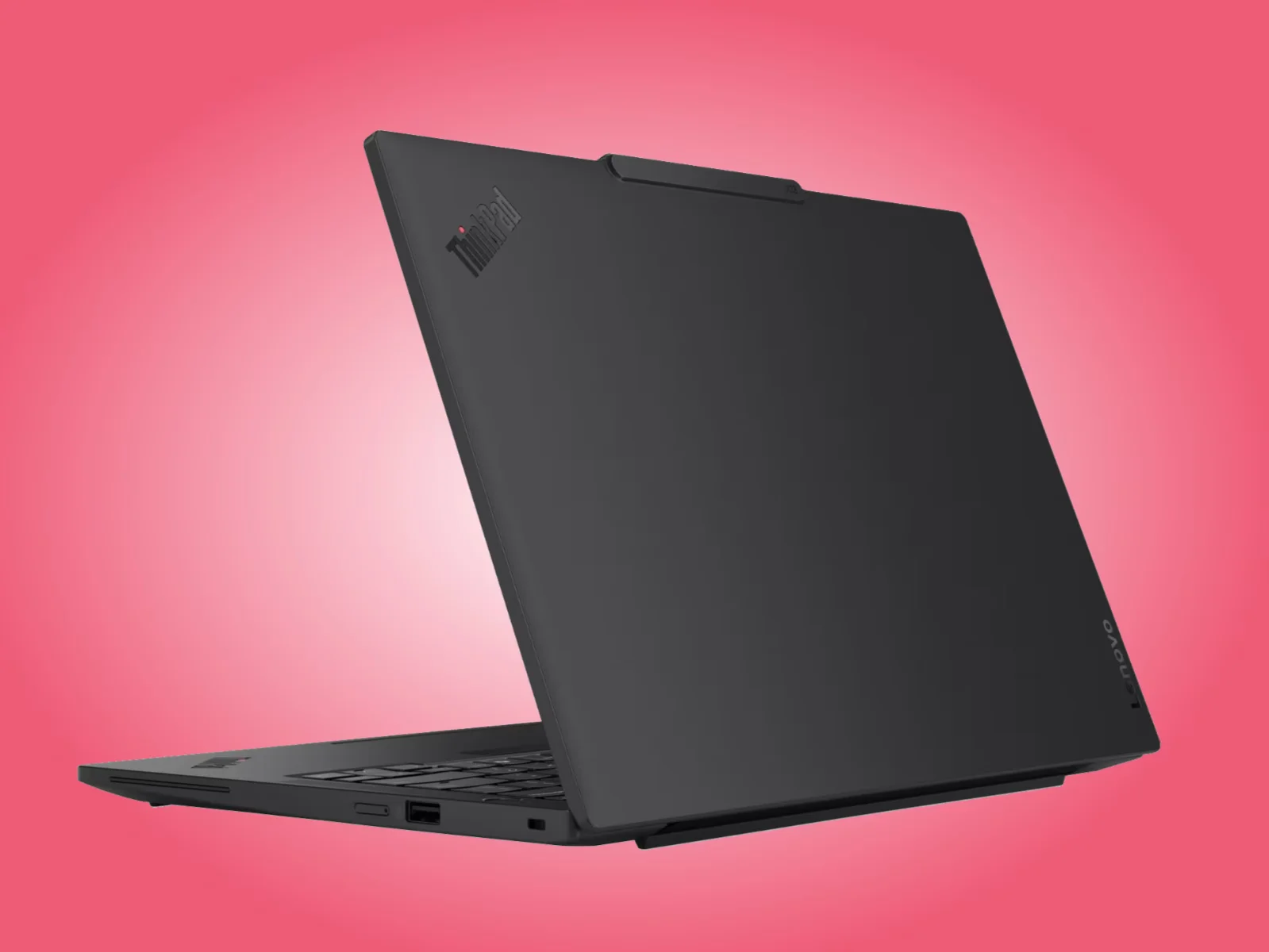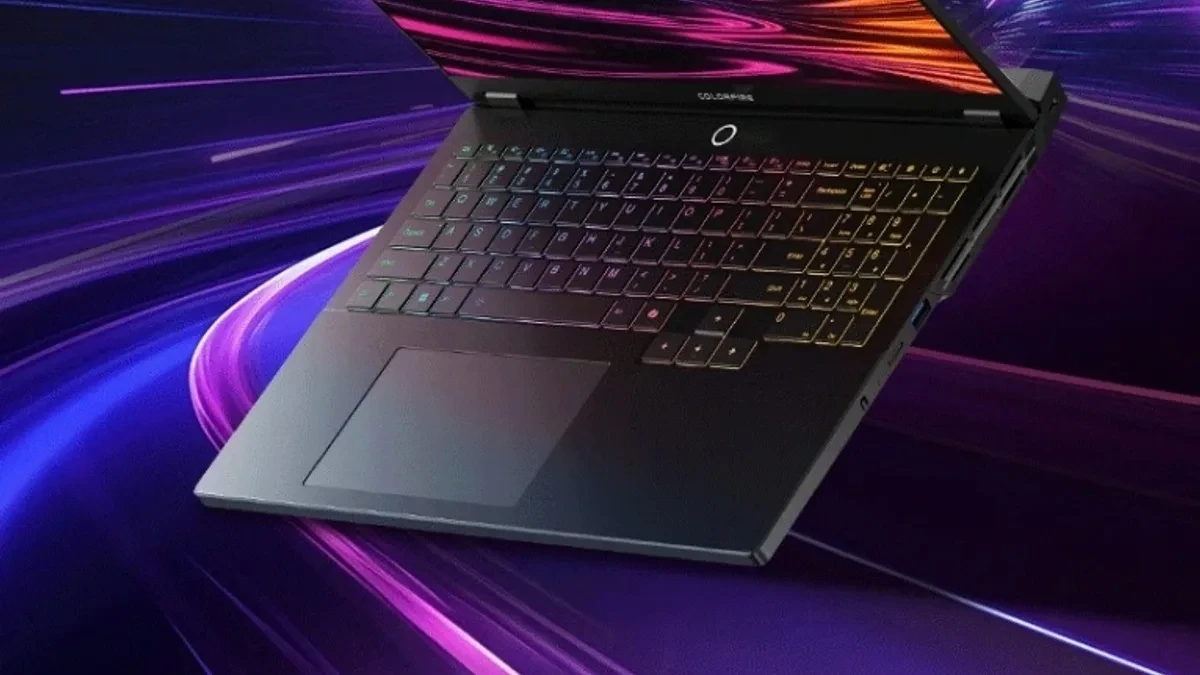
Colorful has officially showcased its latest mobile computer, the Lingchuang K16, during a recent AMD industry event in China. Built around AMD's flagship Strix Halo platform, the machine bypasses traditional discrete graphics cards in favor of an exceptionally large unified memory architecture. The top-tier configuration, currently listed on JD.com for 34,999 Yuan (approximately $5,217), pairs AMD's Ryzen AI Max+ 395 APU with 128GB of LPDDR5X memory and a 2TB SSD, establishing a rare bridge between compact mobile gaming hardware and heavy-duty local AI development tools.
By consolidating high-performance processor cores and graphic compute units onto a single chip with shared memory, the Lingchuang K16 presents a fresh alternative to standard gaming laptop designs. While international release dates remain unannounced, the device offers a concrete look at how unified memory architecture could reshape mobile hardware expectations across heavy computing workloads.
High Core Counts Meet a Unified VRAM Pool
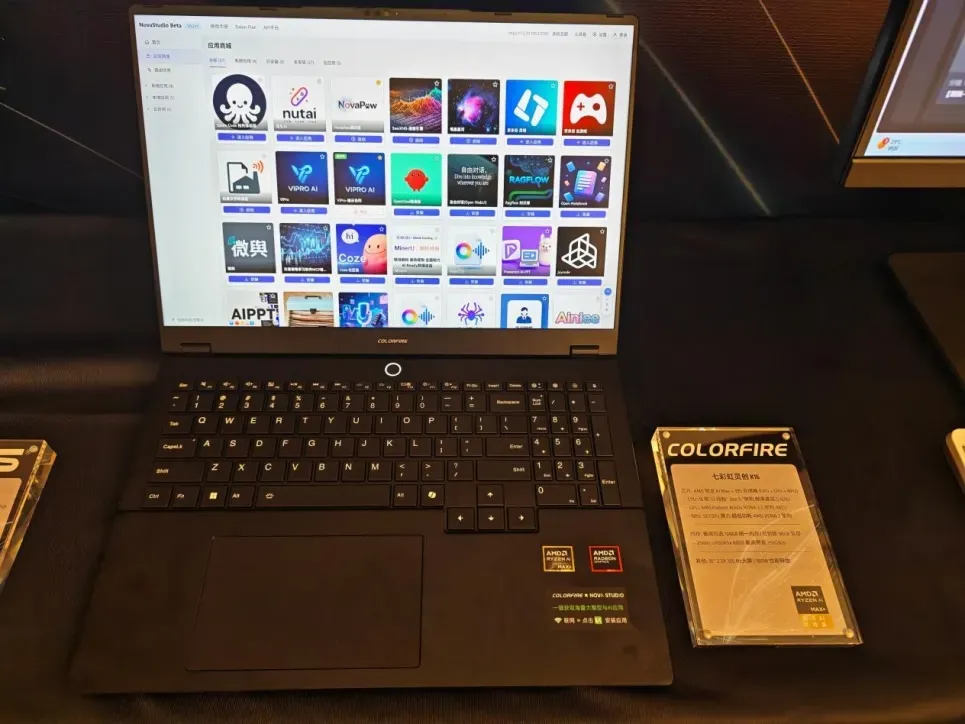
At the heart of the Lingchuang K16 lies the AMD Ryzen AI Max+ 395 processor. Packed with 16 Zen 5 execution cores and 32 threads, the APU delivers multi-threaded benchmark performance capable of matching Intel's top-spec Core Ultra 9 285HX. However, the standout feature of the chip is its integrated Radeon 8060S graphics solution. Featuring 40 Compute Units based on the RDNA 3.5+ architecture, this iGPU matches the raw rendering output of a mid-range Nvidia GeForce RTX 4070 Laptop GPU.
The critical advantage of this architecture stems from its massive 128GB of fast LPDDR5X-8000 memory. Rather than partitioning memory strictly between system RAM and dedicated video memory (VRAM), the Radeon 8060S accesses the full 128GB pool dynamically. For local Artificial Intelligence developers, this open memory bus allows running large language models (LLMs) that typically require expensive enterprise server cards. While token generation speeds remain constrained by integrated memory bandwidth compared to dedicated desktop accelerators, the sheer capacity enables complex local inference on a portable laptop.
Creator-Grade Display and Port Infrastructure
To complement its processing capabilities, Colorful equips the Lingchuang K16 with a 16-inch IPS display tailored for both fast-paced gaming and color-accurate media editing. The panel features a 2560 x 1600 resolution (16:10 aspect ratio), a smooth 165Hz refresh rate, 500 nits of peak brightness, and 100 percent coverage of the sRGB color spectrum.
The laptop's physical interface selection is similarly comprehensive, prioritizing versatile peripheral connectivity. The chassis includes a dedicated OCuLink port alongside a high-bandwidth USB4 port, allowing users to hook up external desktop graphics card docks if extra rasterization performance is required. Additional I/O options feature a 2.5G Ethernet jack, HDMI 2.1 video output, a microSD card reader, a USB 3.2 Gen 1 Type-C port, two USB 3.2 Gen 1 Type-A ports, and a USB 3.2 Gen 2 Type-A connection.
Pricing Realities and Market Positioning
At $5,217 (¥34,999), the high-end Lingchuang K16 commands a steep price tag due to its massive 128GB unified RAM configuration and 2TB storage array. Colorful is positioning this specific setup toward specialized engineers, data scientists, and power users who need high memory capacity on the go, rather than standard gaming enthusiasts.
For buyers who prioritize standard gaming performance over massive local AI memory pools, conventional laptops offer far more approachable price-to-performance ratios. Alternatives such as the Acer Predator Helios Neo 14, equipped with an RTX 5070 Laptop GPU and 32GB of RAM, sell for roughly $1,899 on retail platforms. Global pricing and regional availability for the Lingchuang K16 outside China have not yet been announced.