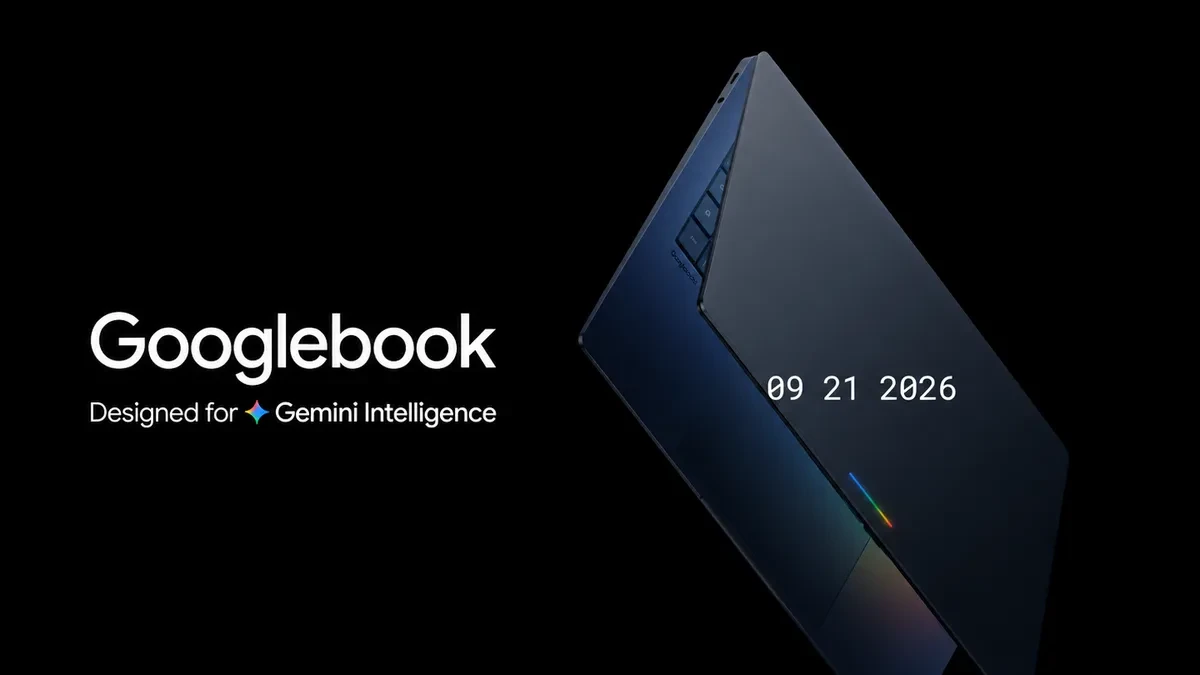
The landscape of premium computing is about to shift as Google prepares to launch its new Googlebook line. Official channels have confirmed that pre-orders for these devices will commence on September 21 at 9 AM ET. While Google has remained tight-lipped regarding specific model availability and final shipping dates, the industry is bracing for a wave of high-end hardware designed to bridge the gap between ChromeOS and Android.
Unlike the budget-friendly Chromebooks that have historically defined Google's laptop footprint, the Googlebook initiative focuses on flagship-tier performance. Early indications suggest that the Intel Core Ultra 5 325 Panther Lake processor will serve as the baseline configuration for most models, signaling a move toward high-performance computing that integrates advanced AI features like Magic Pointer and Create My Widget.
Premium Hardware and Leaked Specifications
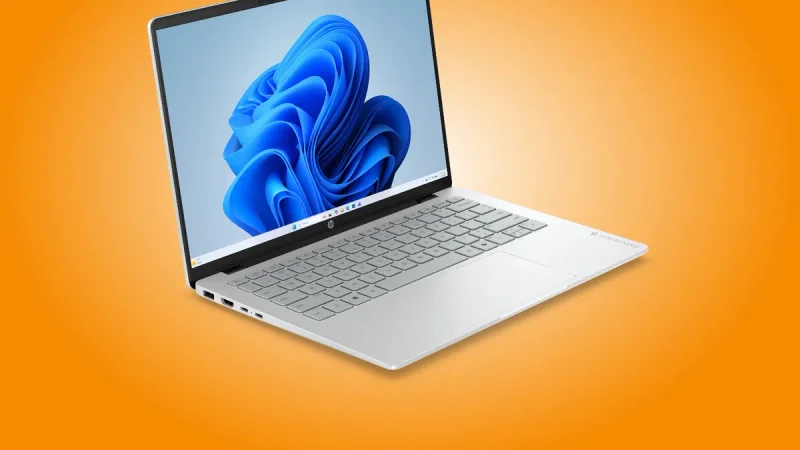
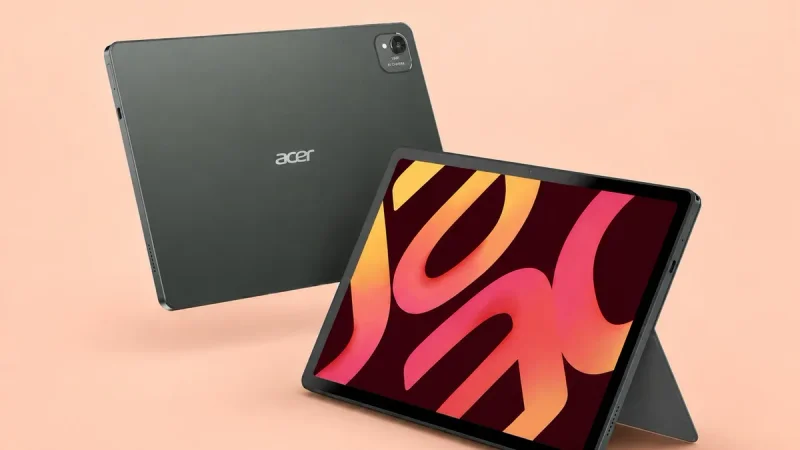
Major manufacturers including Lenovo, Asus, Dell, HP, and Acer have confirmed their participation in this first wave of devices. Lenovo’s upcoming 15-inch model has emerged as a particularly compelling contender, boasting a 15.3-inch 2,880 x 1,800 OLED touchscreen with a 120 Hz refresh rate. Beyond the display, reports indicate a robust chassis featuring Thunderbolt 4 ports, a haptic glass trackpad, and Google's signature multicolor glowbar for aesthetic flair.
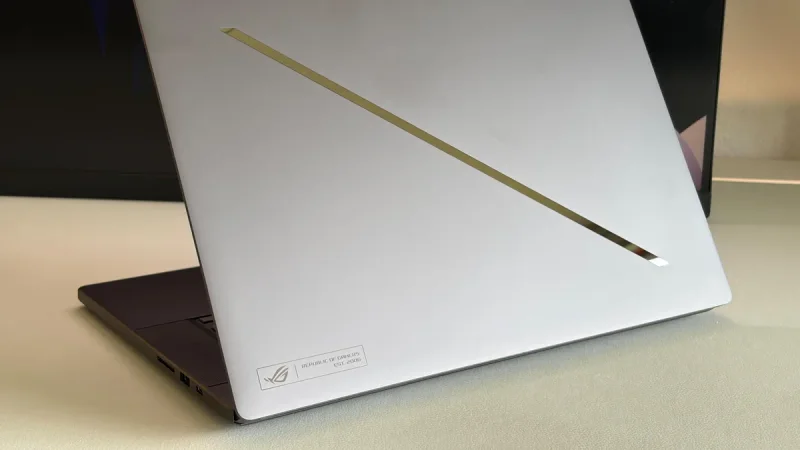
Asus is also positioning itself at the top of the market. Canadian retail leaks suggest a price point of approximately $1,365 (CA$1,900) for a Core Ultra 5 325 model with 16 GB of RAM. Meanwhile, European listings for the Acer Googlebook 14 have appeared at roughly $1,178 (€1,022), offering a more compact 14-inch OLED experience. With some prototypes spotted running the more powerful Core Ultra 7 355, it is clear that these machines are intended to compete directly with premium Windows ultrabooks and Apple's MacBook Air.
What to Expect from the Ecosystem
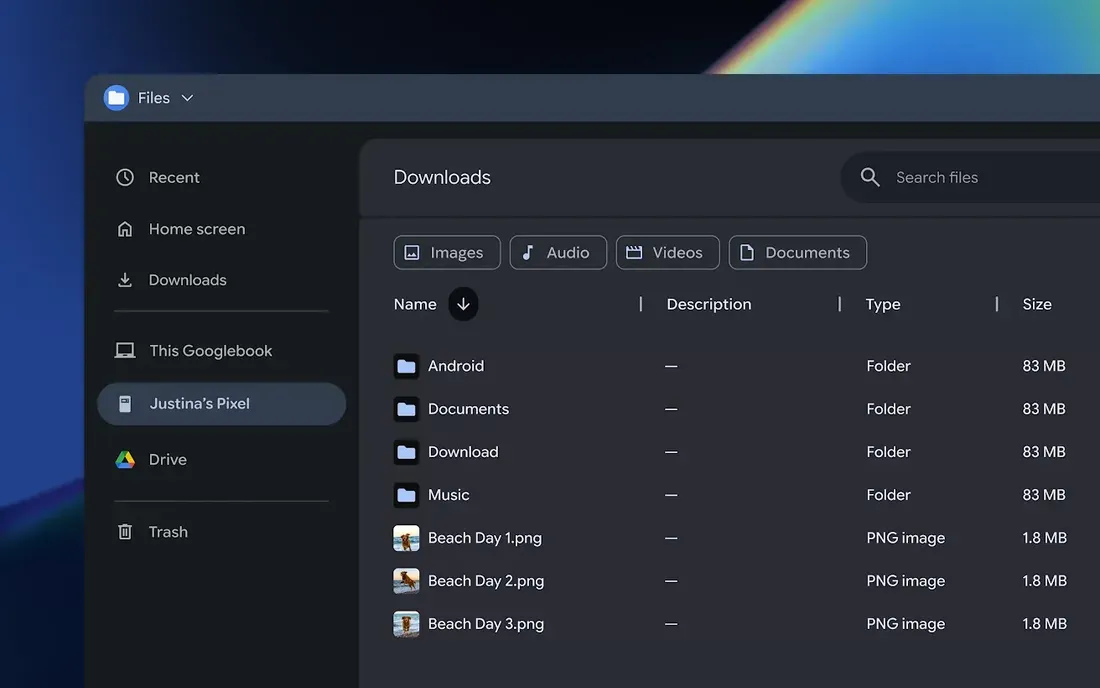
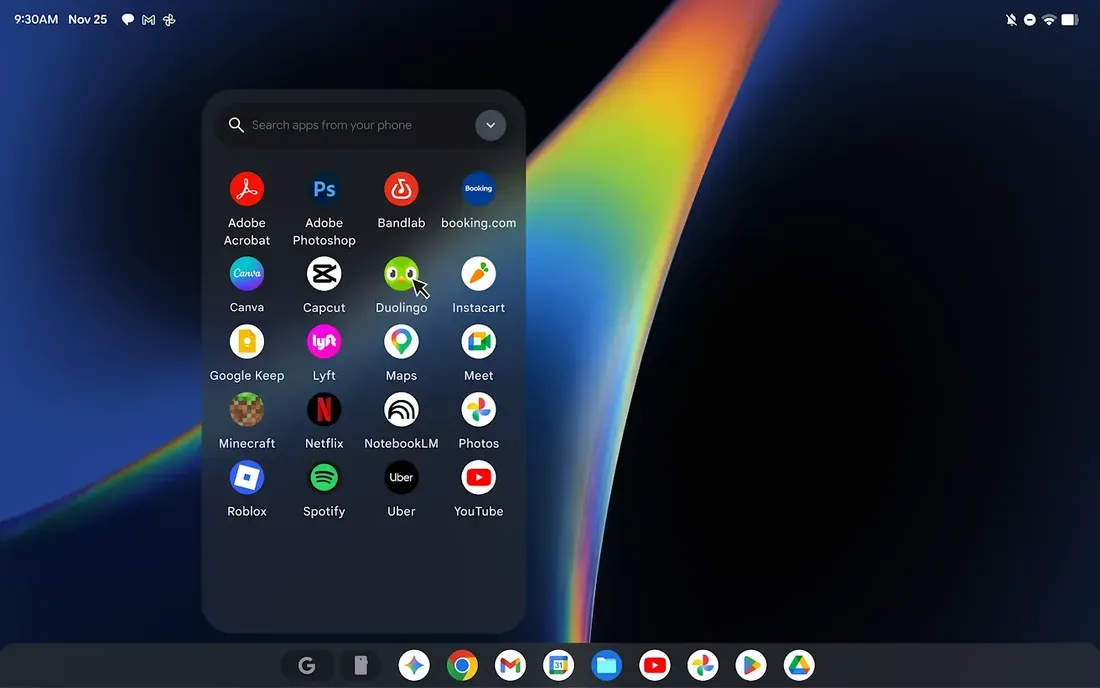
Googlebooks represent more than just a hardware refresh; they are the physical manifestation of a tighter integration between Google's mobile and desktop platforms. By blending ChromeOS with Android intelligence, the company aims to offer a unified experience that feels native to mobile users. Features such as deeper Android phone synchronization and advanced AI-driven productivity tools are expected to be front and center.
While the official launch date for shipping remains marked only as 'this fall,' the September 21 pre-order window provides a definitive timeline for those looking to secure the first generation of these machines. For prospective buyers, the focus should remain on observing which configurations reach the market first, as the jump from Core Ultra 5 to Core Ultra 7 processors will likely define the long-term value and capability of these flagship laptops.