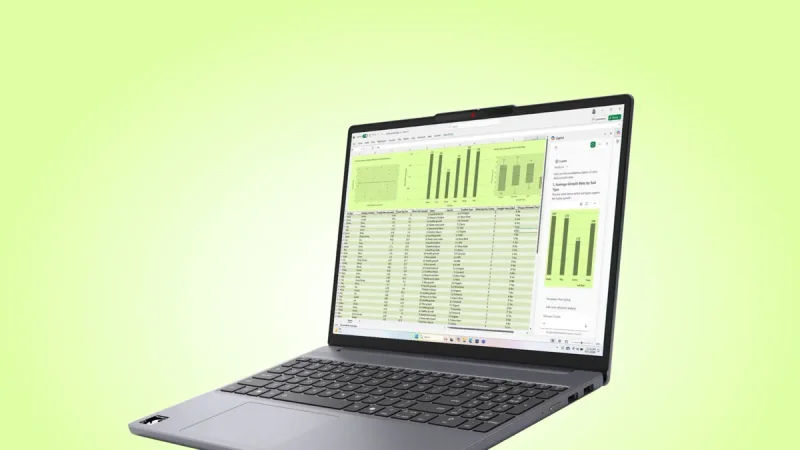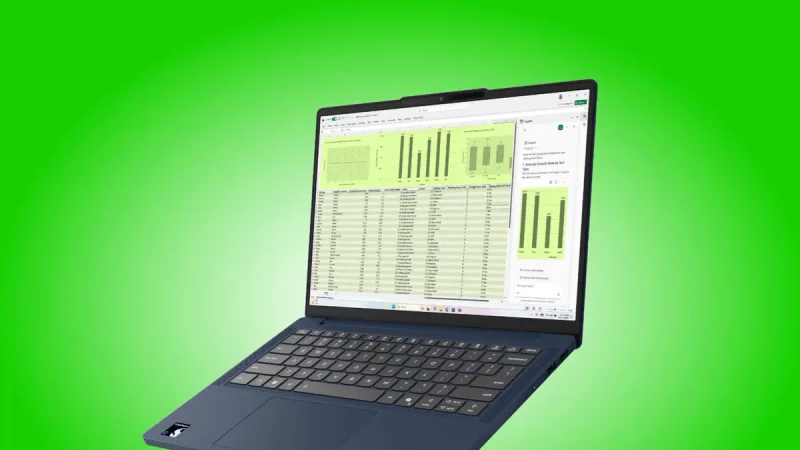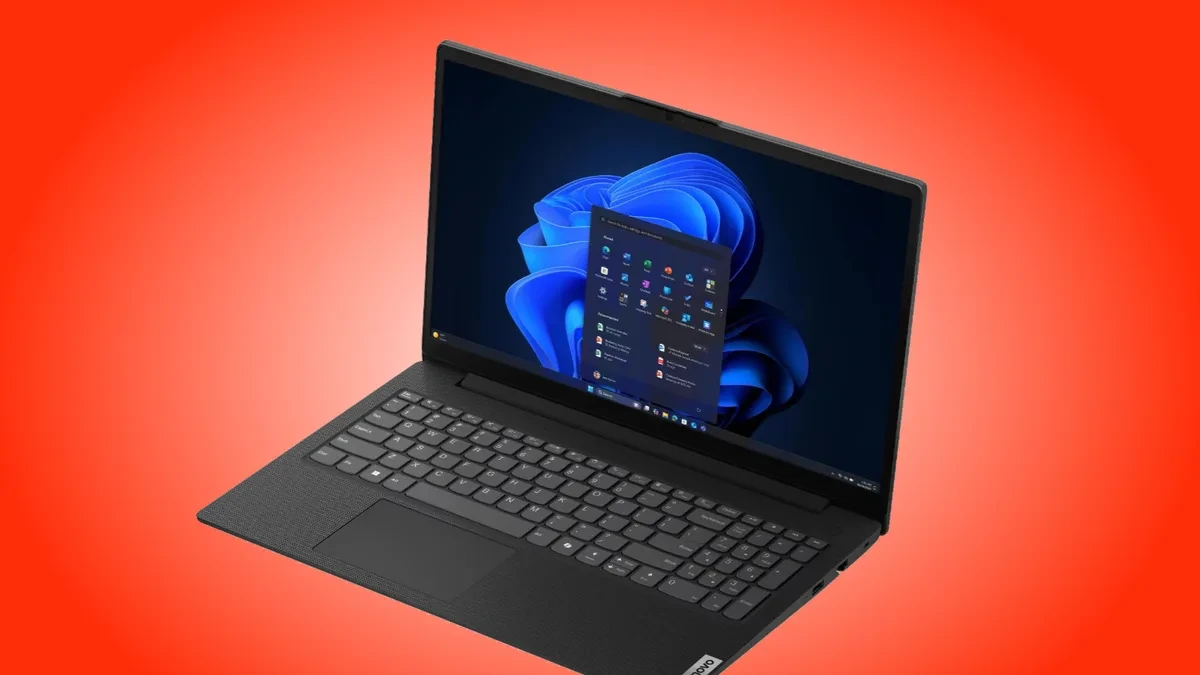
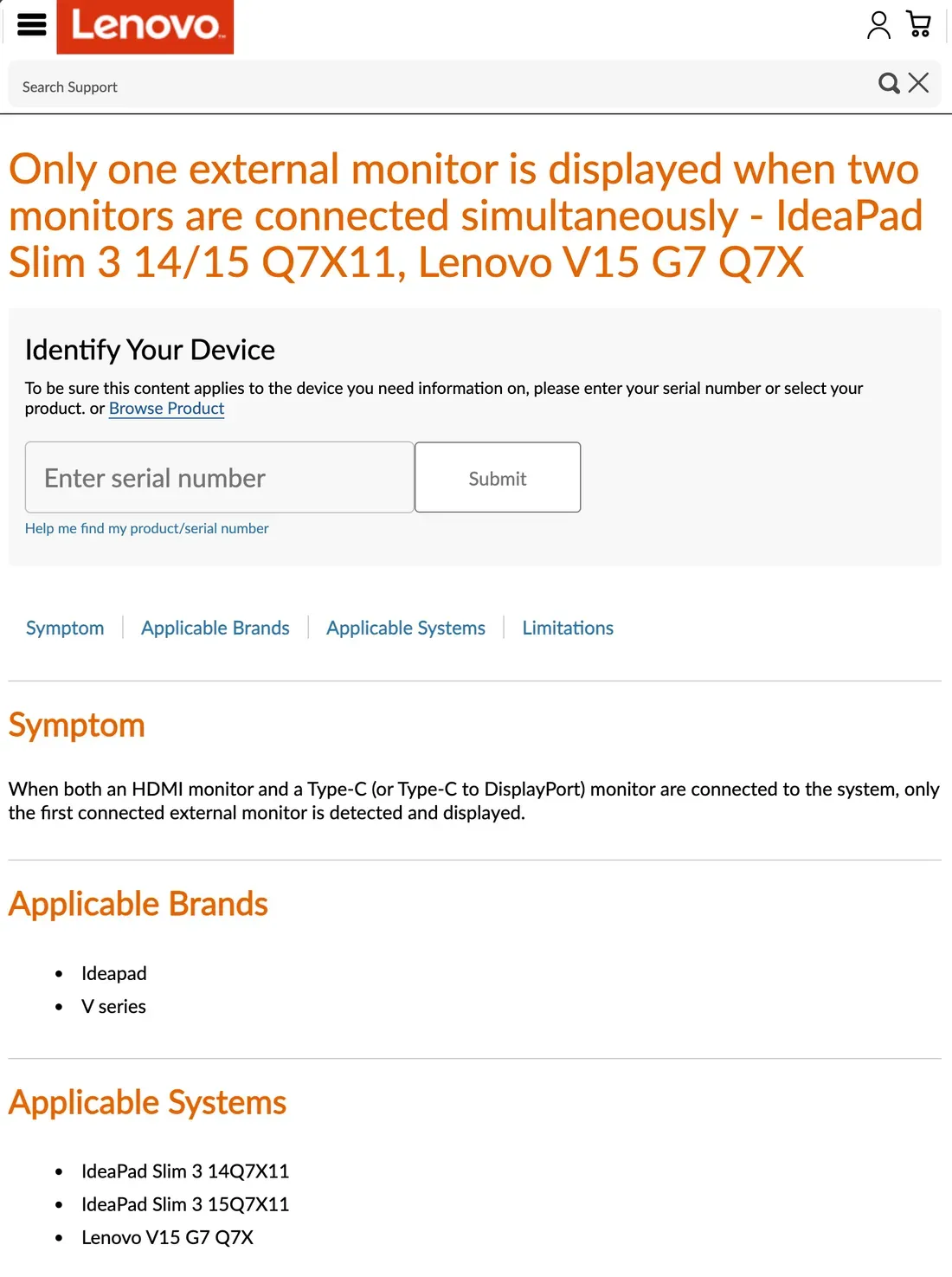
Lenovo is quietly preparing to shake up its budget-friendly V-series lineup by embracing ARM architecture. Recent listings on several regional support portals and product reference sites confirm the existence of the Lenovo V15 G7 Q7X, a 15-inch laptop that abandons traditional x86 processors from Intel and AMD in favor of a Qualcomm Snapdragon chipset.
While the laptop has yet to be formally unveiled, its appearance on official Lenovo websites in Ireland, Israel, and Switzerland suggests a multi-regional rollout is imminent. By moving to a Qualcomm platform, Lenovo is positioning this device as a high-efficiency alternative to its existing Wildcat Lake and Mendocino-based offerings, targeting users who prioritize longevity over raw processing overhead.
The Shift to Qualcomm Snapdragon
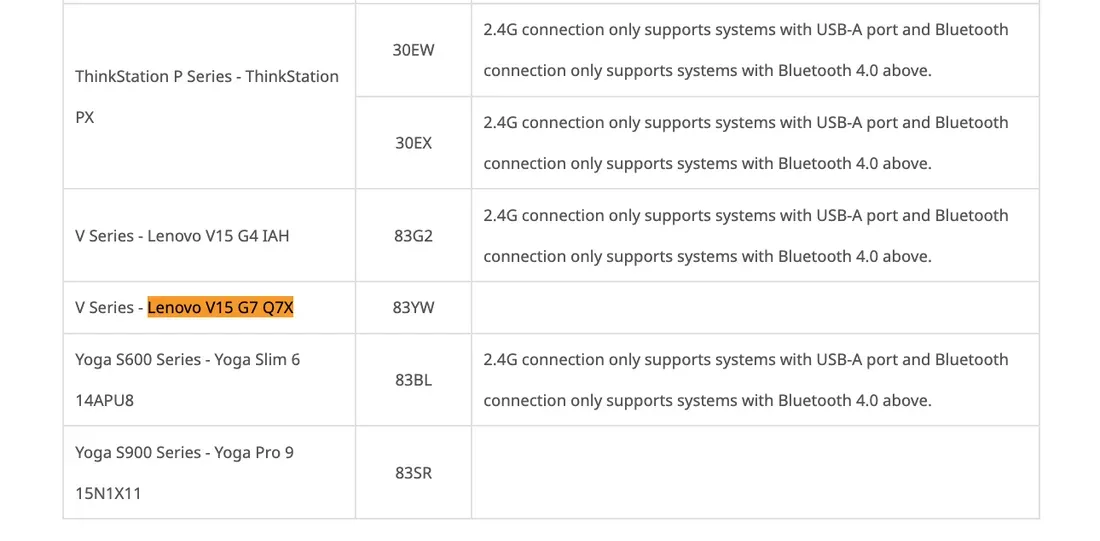
According to documentation from the Infocomm Media Development Authority (IMDA), the V15 G7 Q7X will be powered by a Qualcomm Snapdragon C-series chipset. Specifically, industry indicators point toward the Snapdragon C C11-0100 rather than the high-performance Snapdragon X Elite or Plus chips found in premium Windows devices. This suggests that the V15 G7 Q7X is designed as a direct competitor to entry-level notebooks where thermal management and battery endurance are more critical than heavy-duty multitasking.
If the hardware profile of the existing IdeaPad Slim 3 15Q7X11 serves as a blueprint, users can expect this new V-series machine to offer significantly improved battery life compared to its x86 counterparts. The ARM architecture allows for a more frugal power draw, potentially making this a reliable companion for students or office workers who need a machine that survives a full workday without a charger.
Design and Market Positioning
Lenovo has kept the chassis design under wraps, but it is widely expected that the V15 G7 Q7X will mirror the aesthetic of the current 15-inch Wildcat Lake models. This conservative approach to design allows Lenovo to keep costs low while focusing its engineering resources on the platform transition.
For those currently shopping for a budget laptop, this represents a significant shift. While Intel and AMD have long dominated the affordable laptop space, the move toward ARM could signal a broader trend of bringing mobile-derived efficiency to the sub-$600 market. As of now, official pricing and a concrete release date have not been disclosed, but the extensive appearance of the device on support pages indicates that an official launch is likely just around the corner.