When enterprise IT buyers and corporate professionals refresh their mobile hardware, the final decision almost always comes down to two iconic lines: Lenovo's ThinkPad series and HP's EliteBook family. The Lenovo ThinkPad X1 Carbon Gen 14 and HP EliteBook X G2i 14 sit at the absolute top of their respective lineups, carrying premium business pricing typically starting around $1,800 to $2,200 (approximately €1,650 to €2,000) depending on enterprise configuration options. Both 14-inch laptops are built to serve traveling executives and demanding hybrid workers, yet they approach high-end productivity with remarkably different engineering priorities.
While HP pushes maximum display luminance and higher processor wattage ceilings, Lenovo focuses on acoustic control, ergonomic input devices, and long-range battery efficiency. Choosing between these flagship systems requires looking closely at how sustained power output, screen tech, fan noise, and real-world battery life directly impact daily work routines.
Build Quality, Design, and Workplace Ergonomics
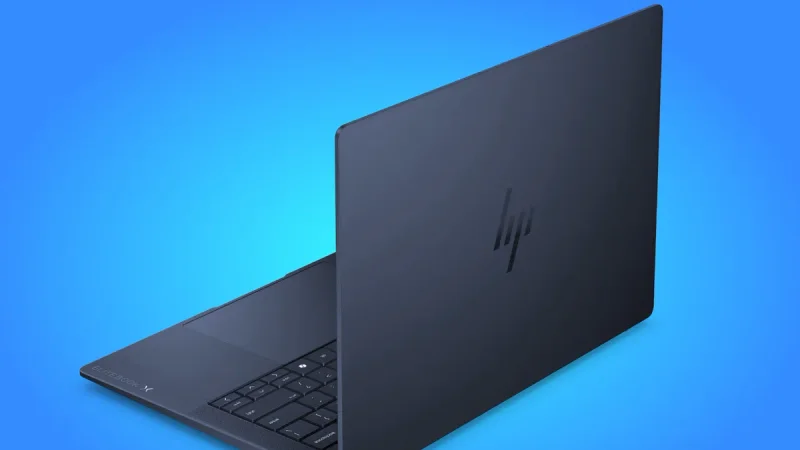
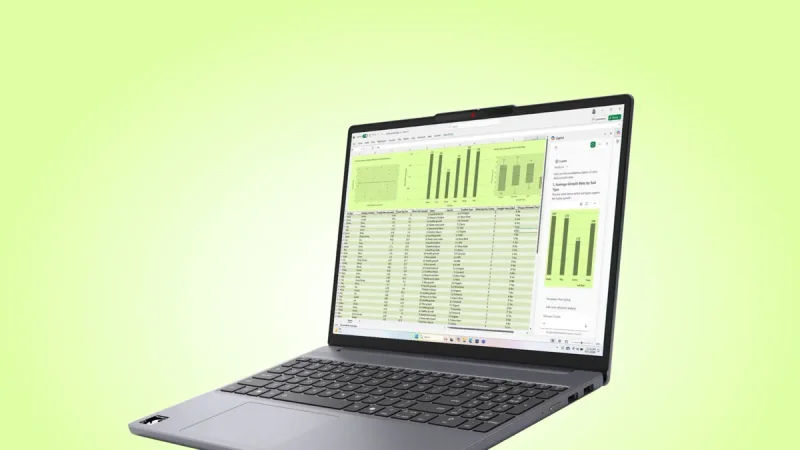
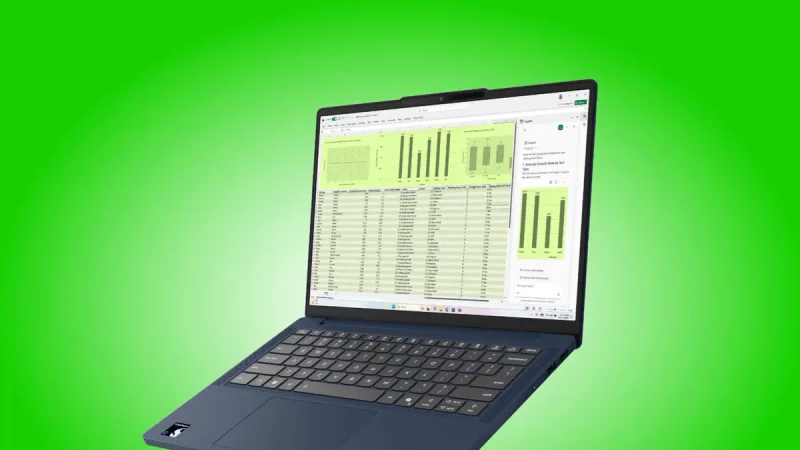
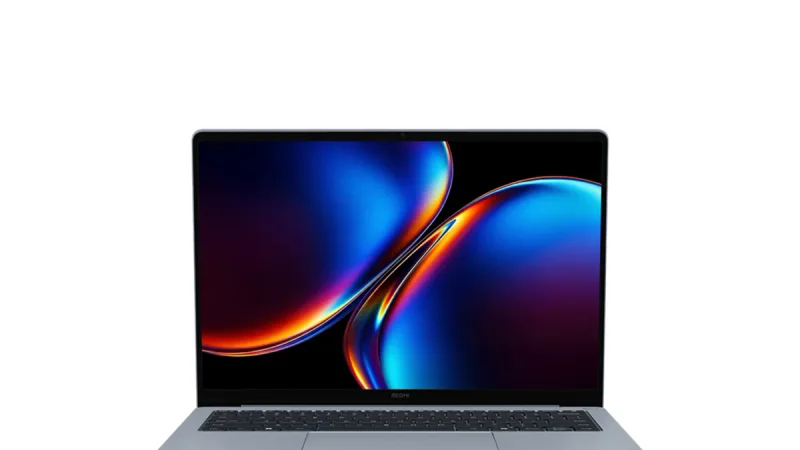
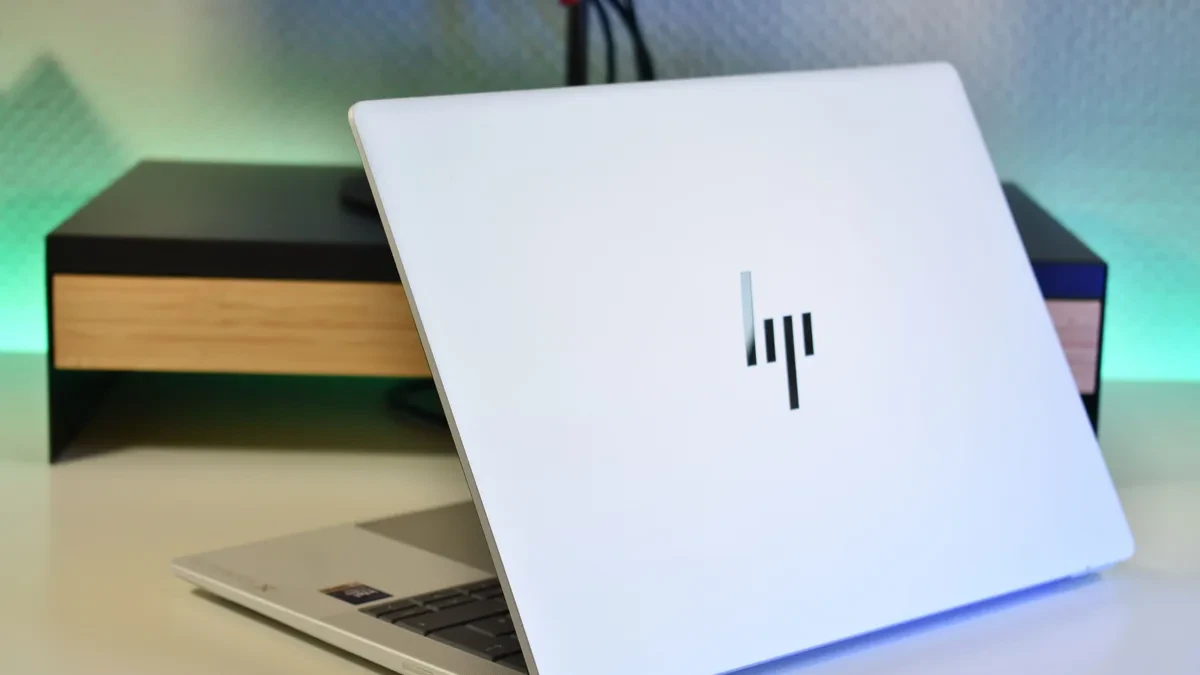
The visual distinction between these business rivals is clear at first glance. Lenovo maintains its classic matte-black aesthetic, anchored by the iconic red ThinkPad TrackPoint center-stick and optional dedicated physical mouse buttons above the touchpad. It remains an ideal choice for touch typists who prefer keeping their hands on the home row. In contrast, HP delivers a crisp silver aluminum chassis (along with a dark blue option) that seamlessly fits into modern executive suites.
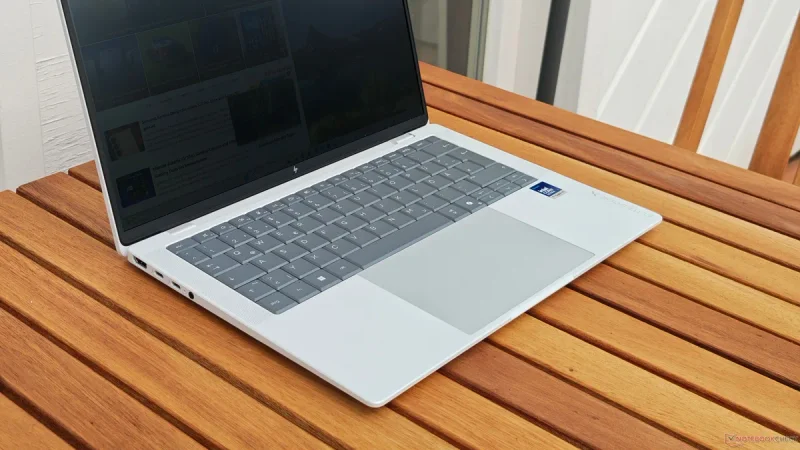
In hand, both chassis feel exceptionally rigid, though weight distribution varies in practice. The ThinkPad X1 Carbon Gen 14 stays lightweight across all configurations, whereas tested units of the EliteBook X G2i felt noticeably heavier despite sharing similar base starting weights on paper. On the maintenance front, HP holds a minor edge for corporate IT staff: swapping out the keyboard module on the EliteBook is noticeably easier during routine servicing, though both keybeds provide crisp, comfortable keystrokes for marathon typing sessions.
Display Technology and Raw Performance Ceilings
On paper, HP takes an impressive lead in screen specifications and maximum performance tuning. The EliteBook X G2i can be configured with a Tandem OLED display capable of reaching 700 cd/m² (nits) of brightness, alongside a sharp WUXGA (1,200p) OLED base option. By comparison, Lenovo's premier OLED option tops out at 500 cd/m², which provides excellent indoor clarity but struggles slightly more when working against direct sunlight or harsh overhead office lighting.
Under heavy workloads, HP pushes its processor to a higher 40-watt continuous power limit, outstripping the 35-watt limit imposed on the ThinkPad. This gives the EliteBook a distinct advantage during intense multi-threaded tasks, software compilation, and large data processing routines. However, that extra speed comes at the cost of higher fan noise. Under full sustained load, the EliteBook fan noise reaches 47.5 dB(a), while the ThinkPad X1 Carbon remains remarkably restrained, topping out at a far quieter 38.9 dB(a).
The Battery Efficiency Paradox
The spec sheet implies that HP should dominate runtime tests because the EliteBook X G2i houses a 68 Wh battery pack, offering roughly 17 percent more capacity than the 57 Wh battery in the ThinkPad. However, actual testing reveals an unexpected twist: Lenovo's optimized thermal management and system tuning deliver superior overall energy efficiency.
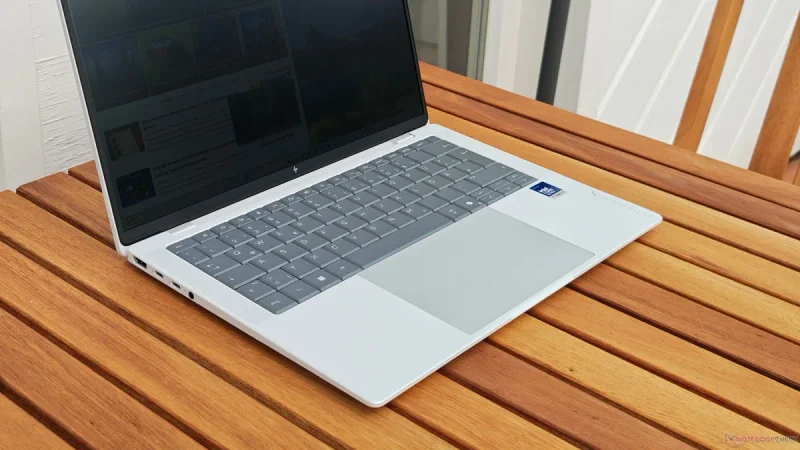
In real-world battery testing, the ThinkPad X1 Carbon Gen 14 comfortably stretched past 23 hours of light productivity on a single charge, whereas the EliteBook X G2i logged roughly 18 hours. Both laptops operate completely silently during idle periods or simple document editing, but the ThinkPad's ability to stretch battery endurance while maintaining a whisper-quiet acoustic profile makes it the more dependable companion for long travel schedules and back-to-back offsite meetings.
Final Verdict: Which Business Flagship Belongs in Your Bag?
Neither laptop represents a compromise in craftsmanship, but each caters to different user priorities. The HP EliteBook X G2i stands out for professionals who demand maximum screen brightness for bright outdoor spaces, higher peak CPU power, and simpler keyboard repairability. On the other hand, the Lenovo ThinkPad X1 Carbon Gen 14 retains its enterprise crown for road warriors who value physical TrackPoint controls, lower noise levels under load, and exceptional multi-day battery endurance.