The global video game industry is navigating its most catastrophic downturn in over four decades, echoing the devastating crash of 1983. Yet behind the headlines of studio closures and canceled projects lies a glaring geographic divide: Western publishers are hemorrhaging workforce while Japanese giants like Nintendo, Capcom, and Konami remain strikingly resilient.
Data from industry analyst Amir Satvat, creator of the ASGC Games Industry Layoffs Tracker, reveals that approximately 57,628 jobs disappeared across the global games sector between 2022 and 2026. However, this crisis is far from evenly distributed, exposing deep structural flaws in how Western gaming blockbusters are funded and managed compared to their East Asian counterparts.
A Devastating Western Collapse by the Numbers
The geographical distribution of these workforce cuts is staggering. North American studios bore 66 percent of all layoff events recorded in 2026, impacting 79 percent of the total affected personnel worldwide. When combined with European development cuts, the two regions account for a staggering 96 percent of all industry job losses. At its peak over a recent 18-month span, California alone represented more than half of global video game layoffs.

This localized collapse stems directly from post-pandemic overexpansion. Western publishers rapidly expanded studio headcounts under the assumption that pandemic-era engagement growth would endure permanently. As consumer spending normalized and development costs ballooned, Western conglomerates responded with drastic corporate restructuring and mass liquidations to satisfy short-term shareholder expectations.
Leaner Teams and Resistance to the Live-Service Craze
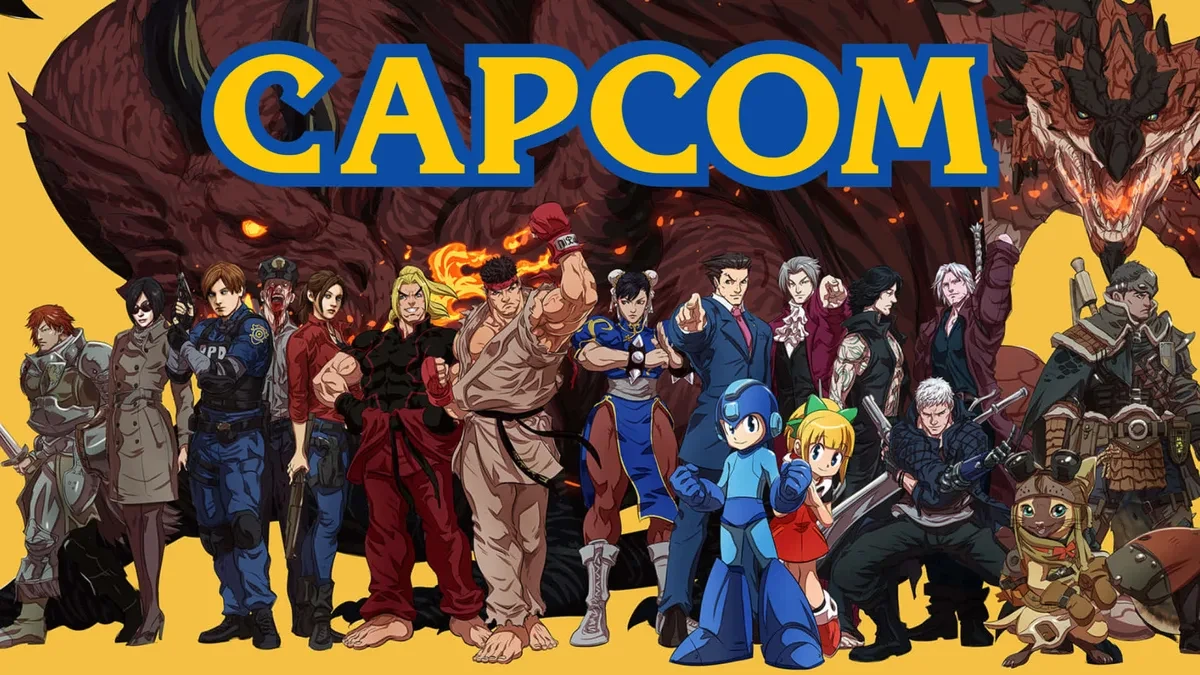
In contrast, major Japanese publishers tell a drastically different operational story. Companies such as Nintendo, Capcom, and Konami maintain staff retention rates above 97 percent - figures virtually unheard of in North American and European studio environments. Analysts attribute this stability to fundamental differences in organizational design and project scope.
While Western studios eagerly embraced bloated 500-person development pipelines and poured hundreds of millions of dollars into risky live-service titles, Japanese developers maintained smaller, tighter core teams. Japanese studios largely resisted the live-service gold rush, prioritizing polished, standalone titles built on repeatable tech stacks and proven original intellectual property. By avoiding hyper-inflated production budgets, Japanese publishers never needed to make panic-driven operational cuts when broader macroeconomic shifts occurred.

Executive Pay Disparity and Sustainable Corporate Culture
Corporate governance and executive pay structures highlight another glaring divergence between Western and Eastern games publishers. In North America, C-suite executive compensation often reaches astronomical sums tied to short-term stock performance. For example, Electronic Arts CEO Andrew Wilson received $38,649,984 in total compensation during the last fiscal year - approximately 305 times the pay of a median EA employee.
In Japan, corporate culture treats executive pay and staff retention with far greater discipline. Top executives at publishers like Nintendo, Capcom, and Konami typically earn between $2 million and $3 million annually. Nintendo's president reported around $2 million in total compensation over a comparable period. By maintaining modest executive payouts and prioritizing long-term workforce retention over immediate margin expansion, Japanese publishers have built a resilient financial buffer capable of weathering broader market shocks without sacrificing human capital.