Long before the video game industry pushed aggressively toward an all-digital marketplace, Microsoft harbored ambitious plans to bridge physical media and digital software ownership. Reports detailing Microsoft's internal history reveal that as early as 2011, during the early development of the Xbox One, the hardware maker drafted an expansive disc-to-digital roadmap that prioritized gamer flexibility.
The initial framework envisioned allowing players to take physical discs into retail stores to convert them into permanent digital licenses, gift digital titles directly to friends, and even trade or resell digital game rights. While that vision stalled after severe public backlash against mandatory internet check-ins ahead of the console's 2013 launch, Microsoft quietly retained key engineering components, including unique serial numbers stamped into physical discs, that make modern disc conversions possible today.
The Forgotten 2011 Blueprint for Digital Ownership
When Microsoft unveiled the Xbox One back in 2013, the narrative surrounding its digital strategy was dominated by frustration over restrictive digital rights management (DRM) and daily online verification checks. However, early architectural plans developed under former leadership told a strikingly different story. The original concept sought to recreate the freedoms of physical disc collection within a modern digital library.

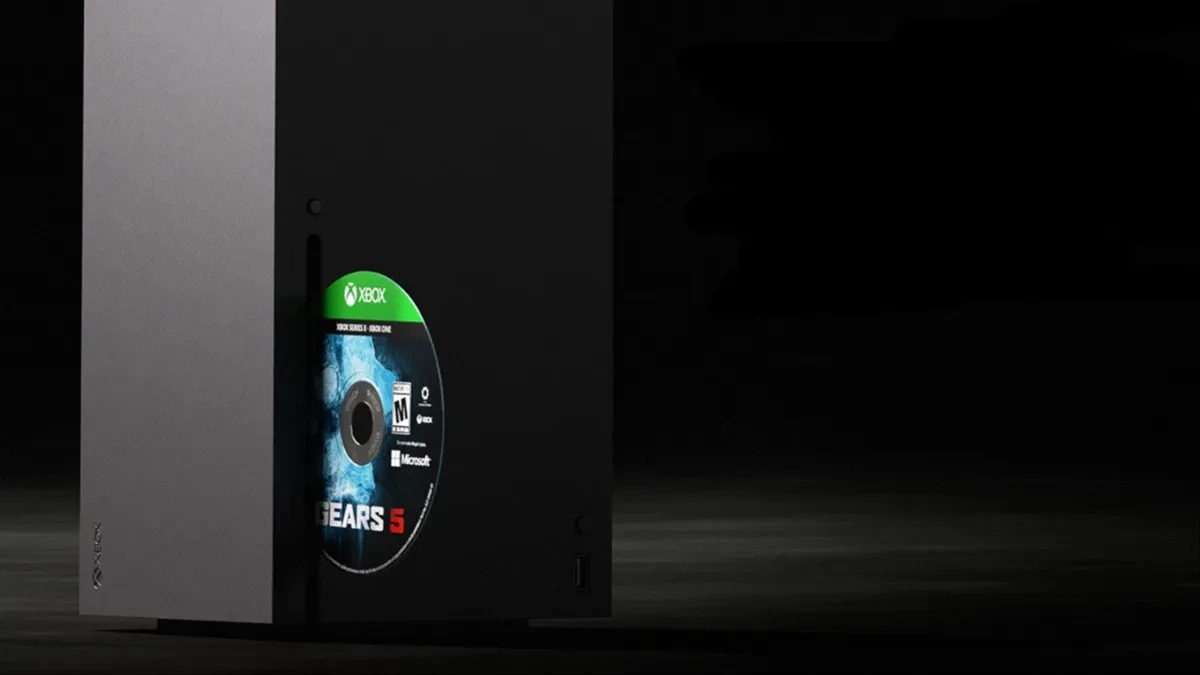
Under that 2011 initiative, physical discs acted as initial verification keys rather than permanent playback requirements. Once validated, a game license could be assigned directly to an Xbox account. This system would have enabled digital gifting, managed trade-ins through participating retailers, and simplified game management across multiple devices. To facilitate this, Microsoft began embedding unique serial codes directly into the physical media pressings for Xbox One titles, an asset management step that remains embedded in disc production today.
Why Licensing and Publisher Support Remain the Biggest Hurdles
Executing a full-scale digital conversion and trade economy requires far more than hardware support. Third-party publishers hold authority over how their intellectual property is licensed, distributed, and transferred. While major entities like Ubisoft have shown willingness to participate in digital conversion programs, securing universal agreement across the industry poses a complex administrative challenge.
For Microsoft to revive the broader ambitions of its 2011 program, publishers must agree on standardized revenue sharing for digital resales, standardized regional transfer rules, and clear policies for secondary license verification. Without explicit contractual backing from global publishers, any disc-to-digital system risks operating as a fragmented convenience feature rather than a comprehensive replacement for traditional game ownership.

What This Means for the Future of Physical Consoles
As physical disc manufacturing contracts across global markets and retail shelf space shrinks, hardware makers face increasing financial incentive to transition toward digital-only platforms. Industry expectations around upcoming hardware iterations suggest that dedicated physical optical drives may soon become optional add-ons or disappear entirely from mainstream console revisions.
If hardware platforms eliminate disc drives in future generations, a robust, publisher-approved disc-to-digital migration path will prove essential for preserving player libraries. Restoring the user-first provisions drafted over a decade ago could provide Microsoft with a practical framework to transition physical media collectors into an all-digital future without discarding years of software purchases.