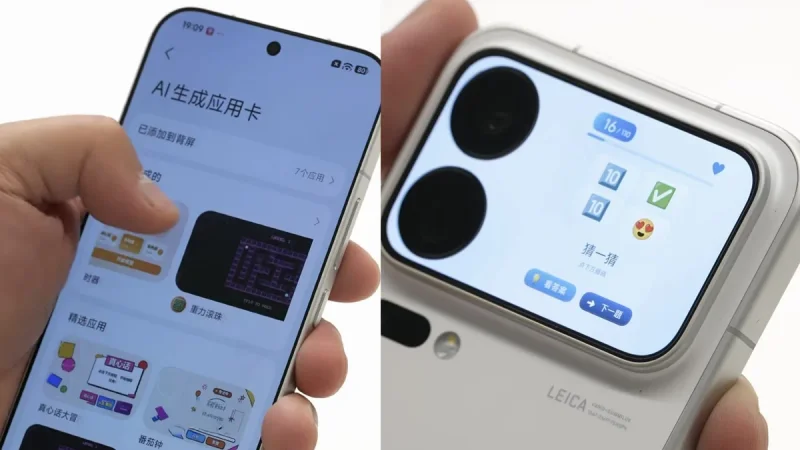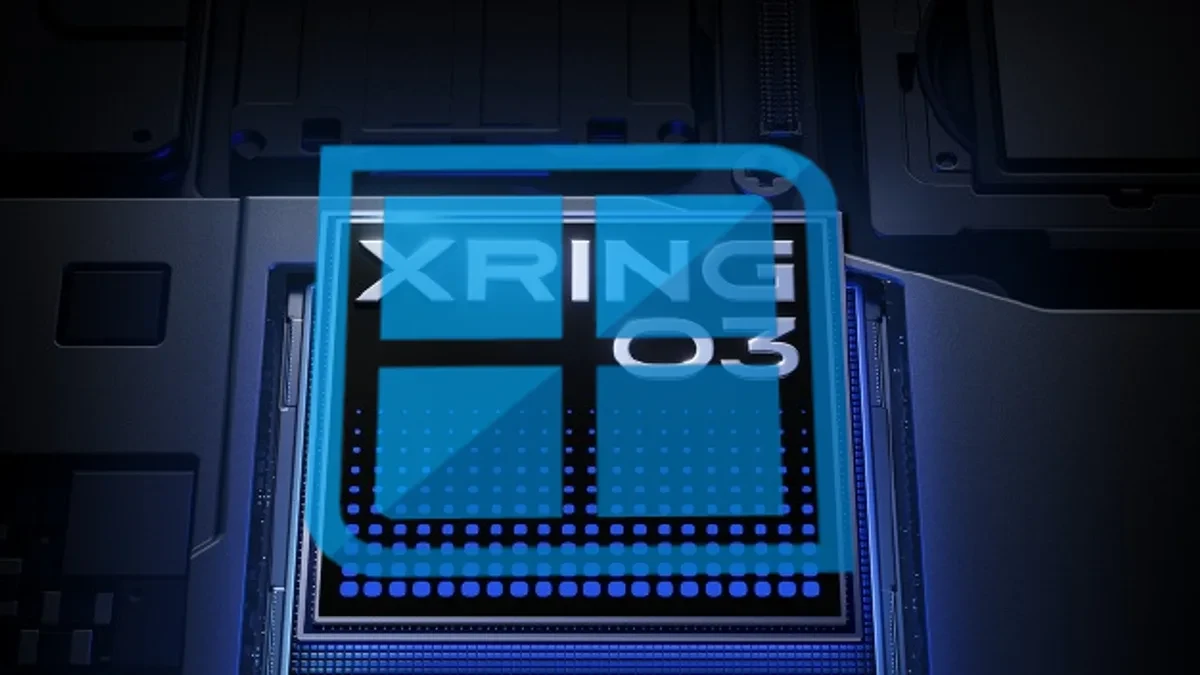
Xiaomi's in-house Xring O3 silicon, debuting in devices like the Xiaomi 18 Fold and Xiaomi Pad 9 Pro Max, includes a subtle hardware capability that could fundamentally change mobile PC gaming emulation. According to recent Vulkan hardware reports, the chip's Mali-G2 Ultra NX MP16 graphics core includes full native hardware support for the BCn (BC1 through BC7) texture compression family. This feature has historically been absent from rival Mali implementations found in MediaTek and Google processors.
For Android enthusiasts using translation layers and emulation tools to run Windows software, hardware level BCn texture decoding removes a persistent performance bottleneck. While native mobile applications rely heavily on ASTC and ETC2 texture formats, desktop game engines built for Windows and home consoles use BCn formats almost exclusively. Without hardware decoding support, mobile graphics drivers must fall back on software decompression, which taxes the processor, spikes system memory usage, and rapidly drains battery life.
Why MediaTek and Google Skipped What Xiaomi Included
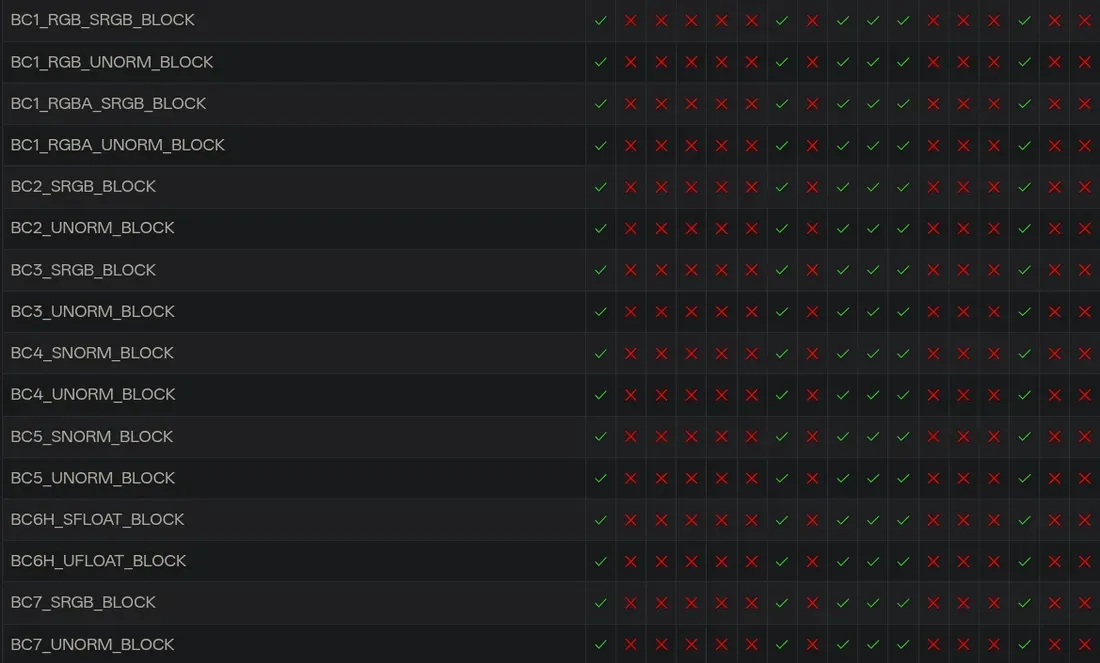
Hardware texture decoding is not an automatic feature of every Mali GPU designed by Arm. Instead, Arm licenses texture decoding components as optional, configurable IP blocks. Chipmakers decide during the physical layout stage whether to dedicate silicon die area to specific desktop texture pipelines or conserve space for mobile efficiency.

MediaTek with its Dimensity line and Google with its Tensor chips both utilize Arm Mali graphics architecture, yet neither manufacturer opted to enable the optional BCn hardware blocks. As a result, Qualcomm's Adreno GPUs remained the only mobile platforms natively decoding BCn textures without performance hits. Xiaomi broke from this convention by licensing and integrating full BCn sampling, blitting, and transfer capabilities directly into the Xring O3 architecture.
The Real-World Impact on Mobile PC Emulation
The practical benefits of this hardware addition have little to do with standard Android social apps or native Play Store titles. Instead, the upgrade targets desktop app execution, Windows-on-ARM translation layers, and PC game emulation environments like Winlator, Mobox, and Cassia. When translating Windows game assets to an Android device, a lack of native BCn support forces software translation tools to convert compressed textures on the fly.
By incorporating hardware BCn decoding directly on chip, the Xring O3 can process complex game textures natively at the GPU layer. This dramatically lowers CPU overhead during gameplay, cuts down memory bandwidth consumption, and prevents severe frame-rate drops in heavy titles. On larger display devices like the Xiaomi Pad 9 Pro Max and the foldable Xiaomi 18 Fold, this capability translates directly to smoother framerates and reduced thermal throttling during long gaming sessions.
What This Signals for Xiaomi's Hardware Ecosystem
By opting into desktop class GPU capabilities, Xiaomi is signaling broader ambitions for its custom silicon beyond basic smartphone tasks. Providing hardware feature parity with Qualcomm's Adreno graphics engine positions the Xring O3 as a capable platform for heavy multi-tasking, desktop mode productivity, and high performance gaming across foldable and tablet form factors.
Devices featuring the Xring O3 processor are currently launching in select markets, with regional availability and global pricing details to be confirmed by Xiaomi during upcoming hardware events. For users focused on mobile software emulation and desktop class utility, Xiaomi's silicon choices present a compelling technical alternative in the Android hardware landscape.