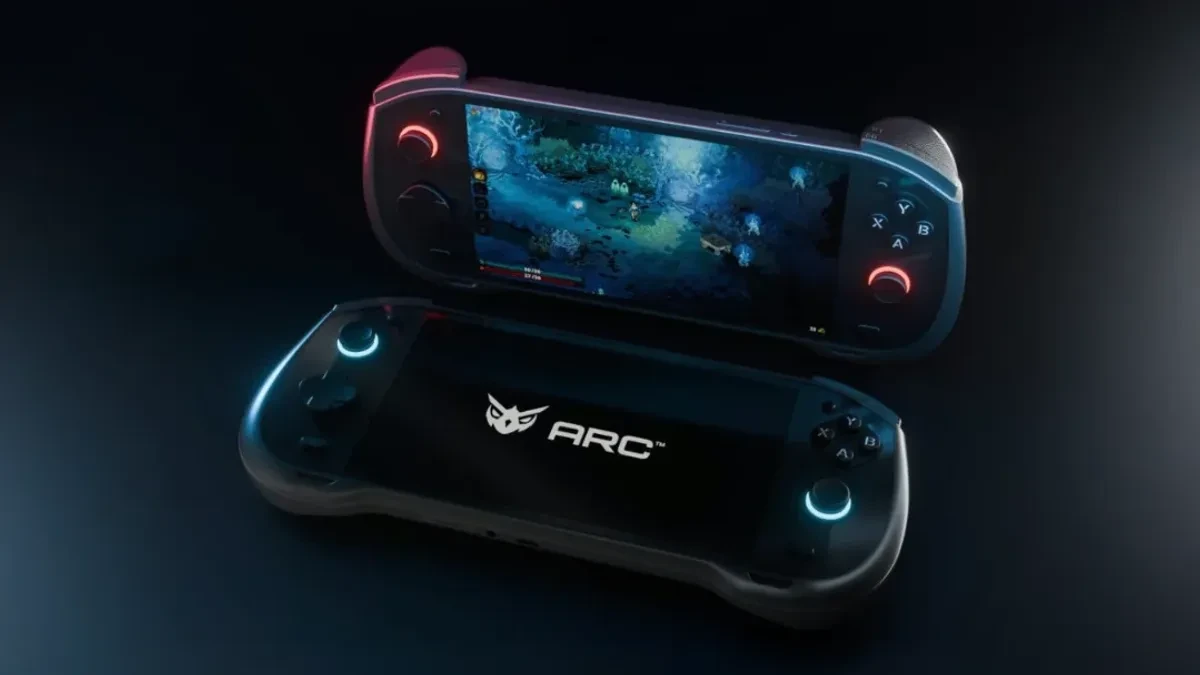
Indian hardware maker ARC has unveiled its first portable gaming device, the ARC X1, offering a modular, repairable chassis combined with Qualcomm silicon. Starting at $308 (₹29,500) for early waitlist backers and set for a full retail price of $349 (₹33,500), the Android-based device targets portable gaming enthusiasts who demand long battery life, active thermal management, and controls built to withstand heavy wear.
Equipped with Qualcomm's Snapdragon G2 Gen 2 processor, 8GB of RAM, and a 7-inch 1080p LCD display running at a smooth 120Hz refresh rate, the ARC X1 enters a crowded market filled with handheld consoles. By focusing on repairability and power-efficient control innovations, ARC aims to address long-standing hardware frustrations in mobile and emulation gaming.
Tactical Controls and Drift-Free TMR Joysticks
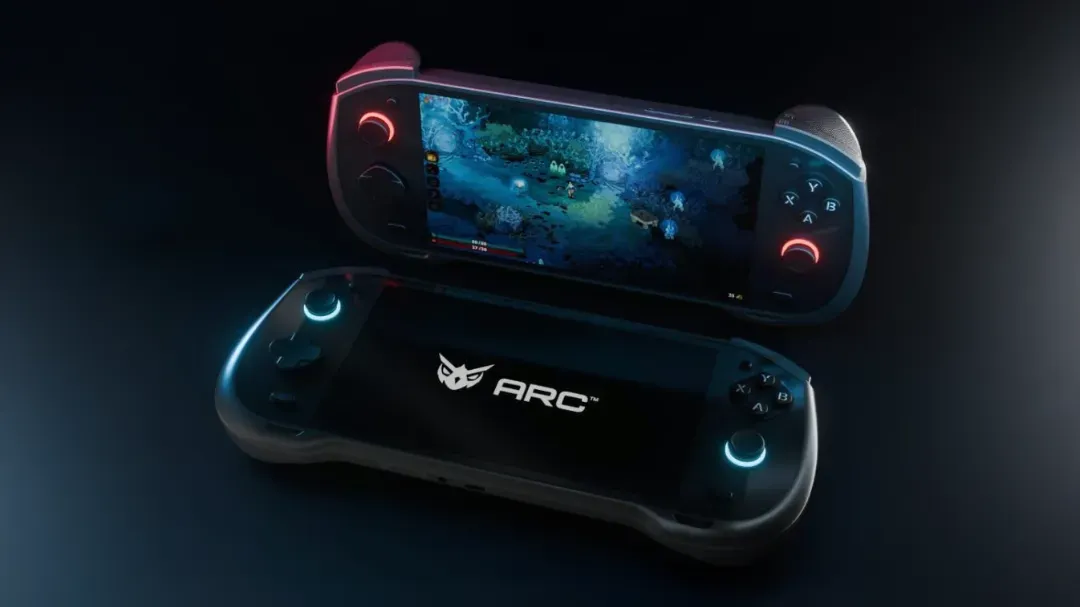
One of the defining design decisions on the ARC X1 is its choice of thumbstick technology. Rather than relying on standard potentiometers or conventional Hall-effect sensors, ARC chose Tunnel Magnetoresistance (TMR) joysticks. TMR sensors offer precise tracking and total immunity to mechanical stick drift while consuming significantly less power than traditional magnetic solutions.
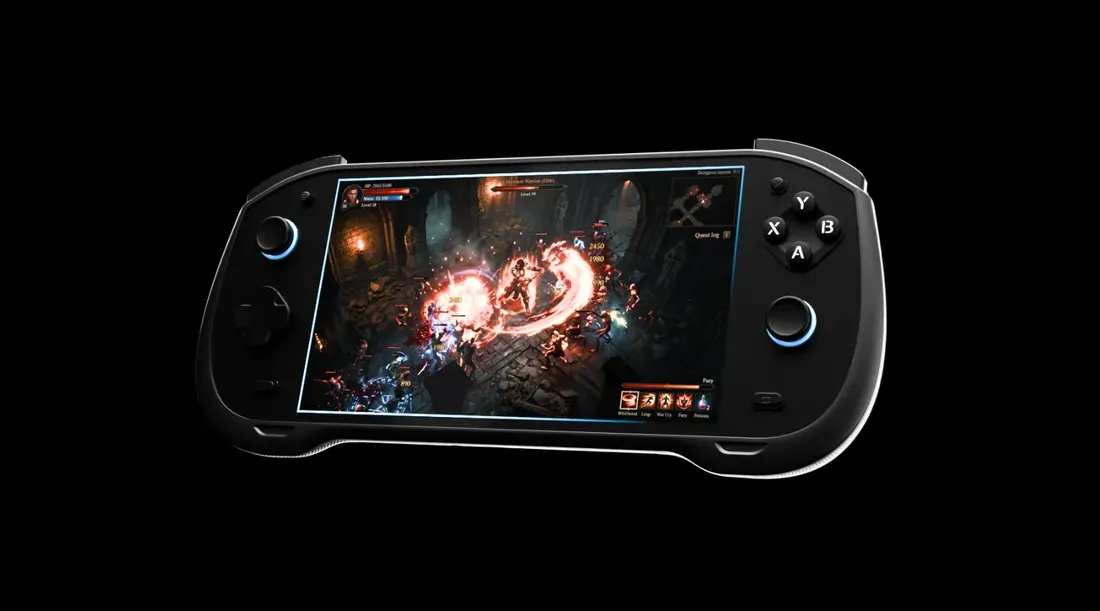
Complementing the TMR sticks, the front panel features microswitches for the action buttons and D-pad, giving inputs a tactile click rather than a soft membrane feel. For competitive players, the analog triggers include mechanical locks to shorten key travel distance for fast-paced shooters. Around the back, two programmable grip buttons allow customized macro mapping, while dual linear resonant actuators (LRAs) handle directional haptic feedback.
Active Thermals, OwlOS Software, and Long-Haul Power
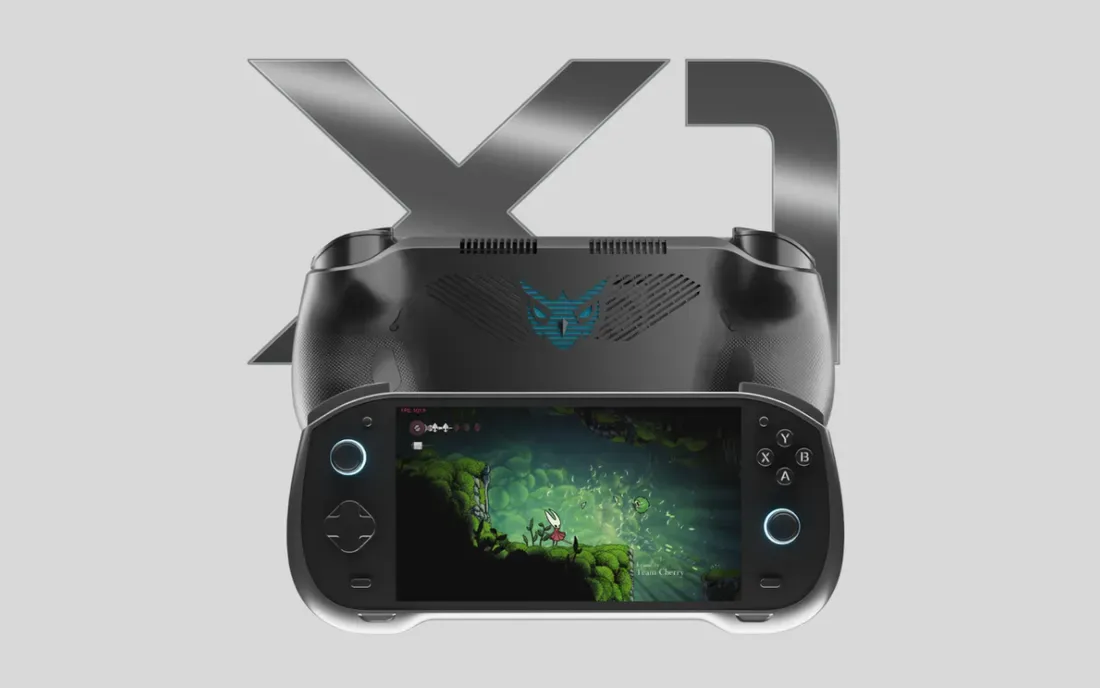
To maintain performance without thermal throttling during heavy emulation or extended cloud streaming sessions, the ARC X1 uses an active cooling system. A built-in internal fan pulls cool air through rear intake vents and exhausts heat out top ports. This cooling setup supports the Snapdragon G2 Gen 2 chip alongside 128GB of internal storage, which users can expand up to 1TB using the dedicated microSD card slot.
On the software side, the handheld runs OwlOS, an optimized skin built on top of the Android Open Source Project. OwlOS replaces the standard touch-centric Android home screen with a dedicated launcher that aggregates native mobile titles, cloud services, and retro emulators into a unified interface. The system includes key utility features such as individual per-game performance profiles, a real-time FPS overlay, and a quick resume function to pause and resume gaming sessions.
Powering the device is a large 9,300mAh battery rated for up to eight hours of playtime on low-power settings. The system supports 27W USB-C charging and includes an 80% charge limit setting designed to prevent battery degradation over long-term usage.
Modular Repairability, Connectivity, and Availability
Unlike many sealed handheld devices, ARC engineered the X1 with longevity in mind. Weighing between 450 and 500 grams, the chassis features modular internal sub-boards, a user-replaceable battery, and swappable analog stick modules. This modular structure allows gamers to fix worn components without returning the entire device to a service center.
Wireless connectivity includes Wi-Fi 6E and Bluetooth 5.4 for low-latency audio and controller pairing. Physical ports include a 3.5mm headphone jack and a full-featured USB-C port with external display output support. Early access ordering opens October 2 for waitlist members at $308 (₹29,500), while standard retail availability will follow at $349 (₹33,500).