Honor has officially unveiled MagicOS 11 during its Global Developer Conference, introducing substantial software architectural improvements, a cleaner aesthetic, and functional utility upgrades designed to eliminate common daily frustrations on modern smartphones. Built on top of Android, the new operating system emphasizes faster UI response times, aggressive local storage optimization, and cross-platform ecosystem flexibility.
Rather than relying purely on aesthetic changes, MagicOS 11 tackles two major friction points for power users: digital storage bloat and isolated file sharing across competing brands. With new system compression tools and expanded cross-device protocols, Honor aims to deliver practical efficiency alongside a fresh visual identity.
Liquid Glass Aesthetics Powered by Optimized Architectures
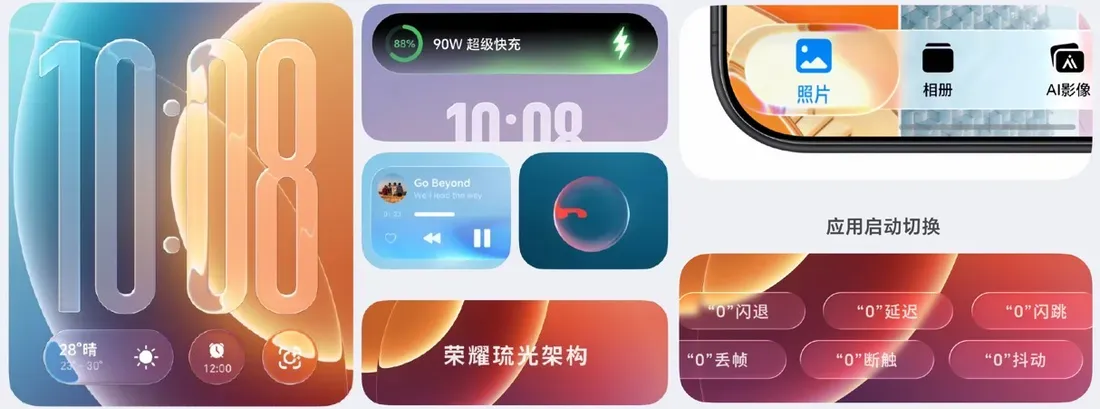
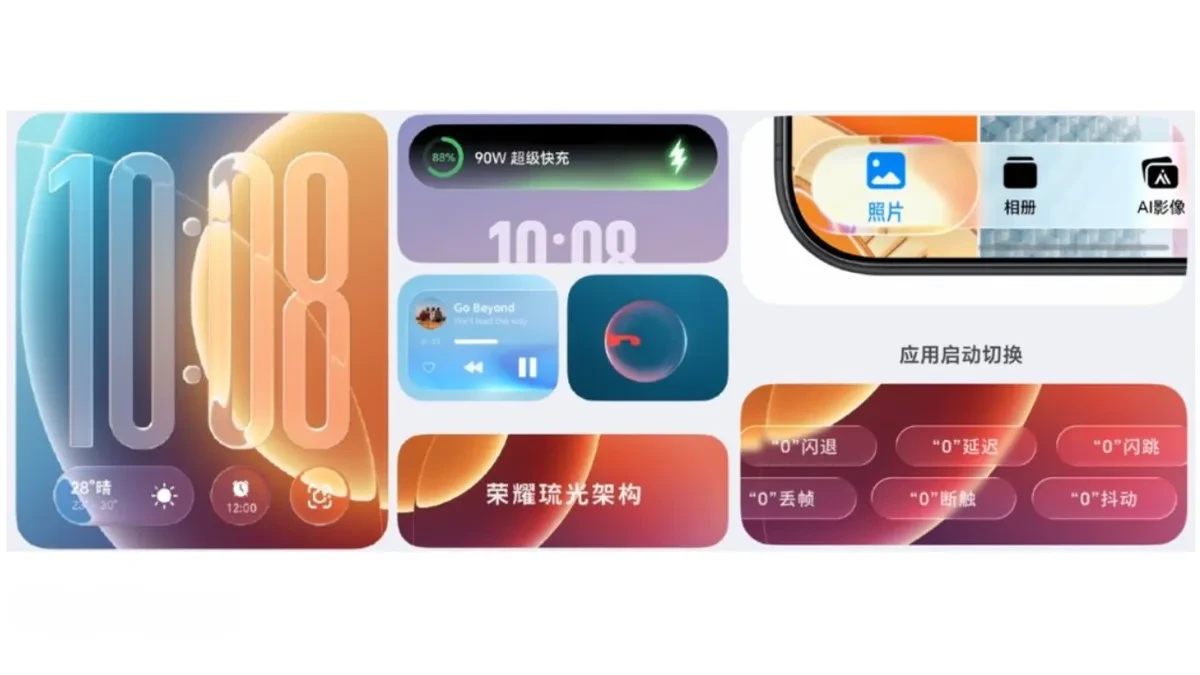
The most immediately visible change in MagicOS 11 is the introduction of a translucent, liquid glass design language. Honor built this visual overhaul upon its dual Luminous and Hummingbird rendering engines. These internal frameworks manage lighting effects, blur passes, and AI background processing without bogging down system resources.
Despite the heavier use of dynamic blur and layering across menus, widgets, and app folders, Honor states that interface animations are up to 20 percent faster compared to MagicOS 10. Customization options have also expanded, allowing users to tint home-screen icons and the dock to match wallpaper palettes while keeping system text crisp and legible.
Practical Storage Reclamation and Cross-Ecosystem Connectivity

Beyond visual refinement, MagicOS 11 introduces Storage Space 2.0. This underlying storage management tool uses lossless background compression across dormant files, duplicate assets, and cached application data. According to Honor, the system can reclaim up to 60 GB of local storage on heavy-use devices without forcing users to manually delete personal photos or uninstall critical apps.
Interoperability receives an equally welcome update. MagicOS 11 enhances cross-brand connectivity, allowing fast peer-to-peer file sharing and peripheral pairing not only with Apple devices, but also with hardware from Oppo, vivo, and Xiaomi. This open-standard approach significantly reduces friction for users living in mixed-device households.
Yoyo Assistant Upgrades and Multi-Step Automation
Honor has also reworked its Yoyo voice and context assistant. The updated assistant now supports over 1,000 contextual scenarios and interfaces with more than 10,000 third-party service endpoints. Crucially, Yoyo can execute complex automated workflows involving up to 100 sequential actions from a single command, automating routine tasks like sorting travel itineraries or configuring privacy permissions across apps.
Beta Rollout Schedule and Eligible Devices
MagicOS 11 will make its commercial debut on the upcoming Honor Magic 9 flagship series. In the meantime, Honor has initiated a public beta rollout across 18 existing devices in its domestic market, including the Magic8 series, Magic V6 foldable, and the Honor 600 lineup.
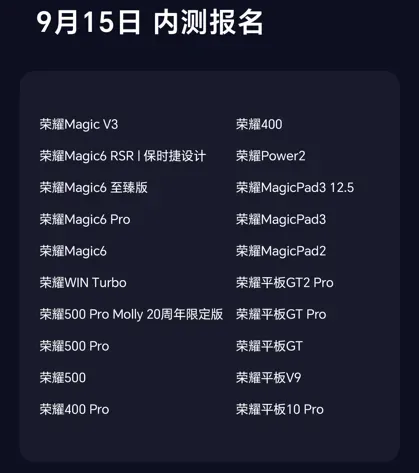
A secondary closed beta program is currently open for registration, covering the Magic6 family, Magic V3, and the Honor 400 and 500 series, with wider testing windows scheduled between October and November. International rollout timelines and region-specific software features will be detailed alongside future global hardware releases.