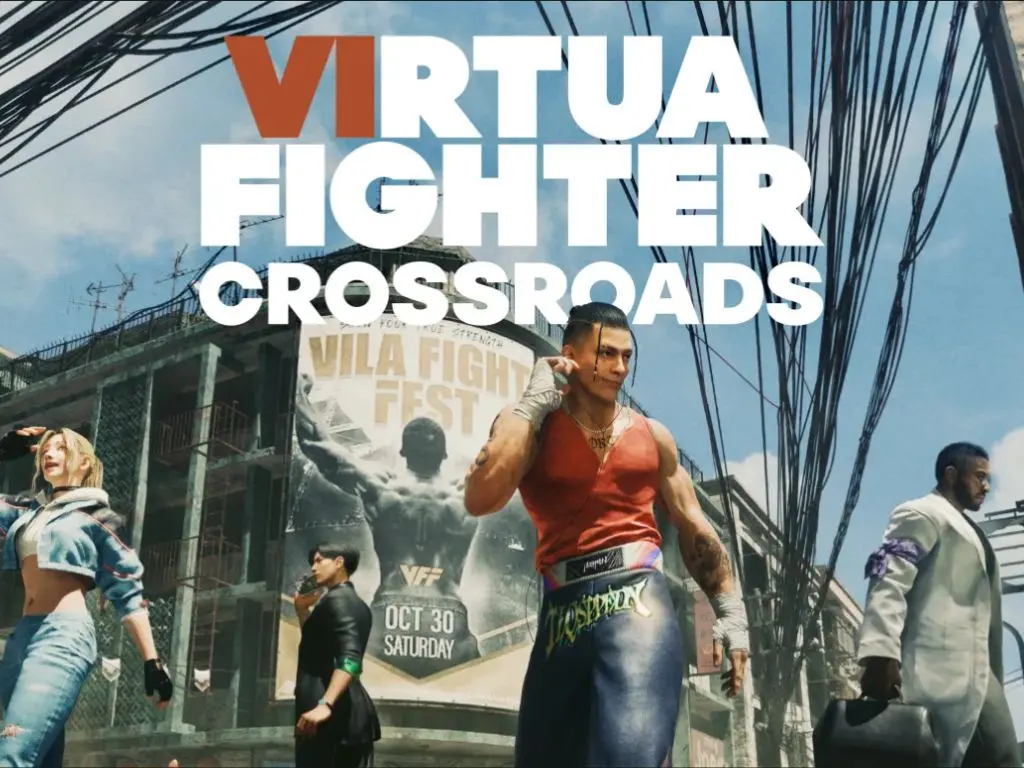
Sega has officially unveiled its next major entry in the iconic fighting series, titled Virtua Fighter Crossroads. After nearly two decades of silence for the mainline franchise, the announcement marks a departure from traditional sequel naming conventions. While industry observers and fans anticipated the title Virtua Fighter 6, the development team opted for a fresh identity to signal a shift in the series direction.
- Virtua Fighter Crossroads serves as the first original mainline entry in twenty years.
- The title is currently scheduled for a 2027 worldwide release.
- Development is a collaborative effort between RGG Studio and Sega AM2.
- The game features a new story mode set in the city of Villasapara.
Breaking the Numbering Tradition
The decision to move away from numerical sequels stems from a desire to redefine the franchise identity. Producer and director Riichiro Yamada noted that he possessed a strong desire to create something new rather than simply inheriting a legacy number. This branding choice reflects the significant technical and narrative overhaul planned for the title, including a redesigned logo and a shift toward hyper-realistic arcade fighting mechanics.
The move suggests that Sega views this release as a clean slate for the series. By avoiding the baggage associated with a numbered sequel, the developers have more freedom to experiment with mechanics that distinguish the title from contemporary competitors. This strategy allows the team to position the game as a modern entry point for new players while maintaining the core appeal for long-time fans.
A Shift Toward Narrative Depth
Unlike previous installments primarily designed for the arcade market, this project is built from the ground up for home consoles. This shift in platform strategy enables a heavier focus on a substantial single-player campaign. Yamada emphasized that delivering a meaningful story experience is essential for the game to feel relevant in the current market, where players expect more than just competitive combat.
To build this narrative foundation, Sega has assembled a high-profile team. Brad Kane, known for his work on Ghost of Tsushima, leads the writing efforts, while David Hayter serves as the worldbuilding supervisor. They are joined by scenario director Tsuyoshi Furuta, who brings experience from the Like a Dragon and Judgment series, and Shinki Yamamoto from the Atlus team. This combination of talent highlights a clear intent to elevate the franchise into a story-driven experience that competes with modern giants like Tekken 8 or Street Fighter 6.
With its focus on realistic combat and deep worldbuilding, the game is clearly targeting players who appreciate technical fighting mechanics paired with cinematic storytelling. The collaboration between RGG Studio and Sega AM2 suggests a refined approach to character interaction and environment design, likely leveraging the engine expertise seen in recent internal titles. This blend of technical prowess and narrative ambition positions the game to redefine expectations for the genre upon its 2027 release.
Source: Sega | Notebookcheck