Apple’s MacBook Pro design has remained largely unchanged since the introduction of the M1 Pro and M1 Max models in late 2021. While internal upgrades boosted performance, the fundamental design and display technology have stayed consistent. However, a significant shift is on the horizon with rumors pointing to a completely revamped MacBook Pro, potentially branded as the MacBook Ultra, slated for release between fall 2026 and spring 2027.
- The MacBook Ultra is expected to debut with a touchscreen interface, a first for Apple’s Mac lineup.
- OLED display technology will replace the traditional LCD panels, promising richer visuals.
- Clues from Apple’s latest macOS and iPadOS integration hint at touchscreen readiness.
- The leaker Instant Digital confirms with certainty the inclusion of touchscreen support.
Touchscreen Confirmation Elevates MacBook’s Evolution
The revelation from the leaker Instant Digital that the next-generation MacBook Pro will include a touchscreen is a pivotal confirmation. For years, Apple resisted integrating touchscreens into its MacBooks, citing concerns over ergonomics and user experience. This stance now appears to be shifting, signaling Apple’s readiness to blur the lines between its iPad and Mac ecosystems.
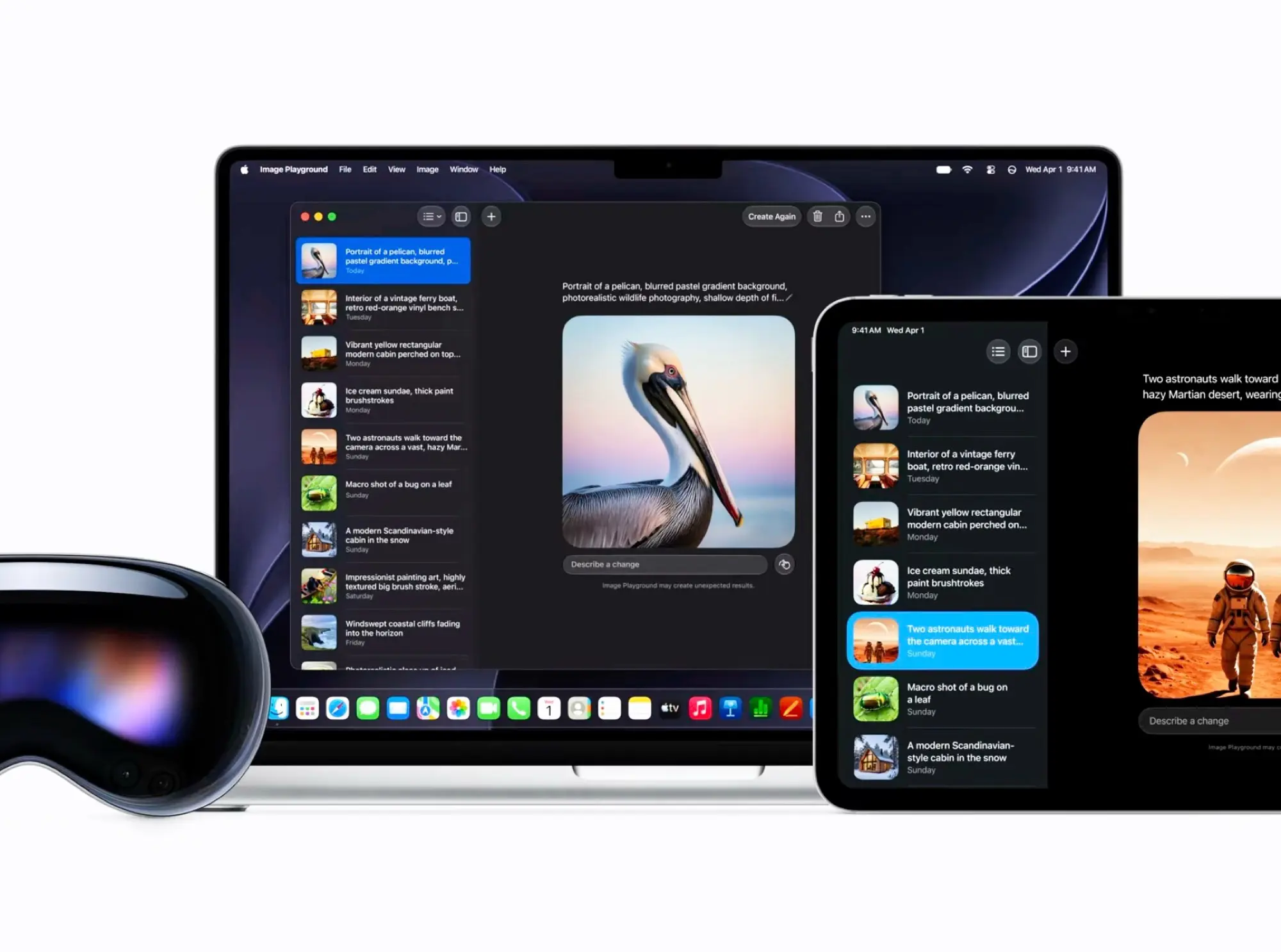
Apple’s own software developments support this transition. The new macOS version allows iPad devices to function as external displays with full touchscreen support through Sidecar. This integration enables multitouch gestures on the iPad to control macOS, effectively serving as a touchscreen extension. Such software capabilities hint strongly that Apple is preparing its hardware to natively support touch inputs.
OLED Displays and Dynamic Island: Signs of a Bold Redesign
Alongside the touchscreen, the MacBook Ultra is rumored to feature an OLED panel. This marks a departure from the current mini-LED and LCD technology used in MacBook Pros. OLED offers deeper blacks, higher contrast ratios, and potentially better power efficiency, features that could enhance both professional and creative workflows.
Additional hints come from macOS interface changes. The new Spotlight and Siri windows have been redesigned with taller formats and positioning suggestive of integration with a Dynamic Island-like component, a feature first introduced on the iPhone 14 Pro. This could indicate a new approach to notifications and interactive elements on the MacBook Ultra’s display, reinforcing the idea of a touchscreen-enabled, more interactive device.
Business and Industry Context: Apple’s Platform Power Play
This evolution in Apple’s MacBook line is not just about hardware improvements but reflects a strategic move to consolidate its ecosystem. By introducing touchscreen capabilities and OLED displays, Apple enhances the Mac’s appeal to creative professionals and power users who demand cutting-edge display technology and intuitive input methods.
The move also positions Apple to better compete with Windows-based laptops that have long featured touchscreens and OLED panels. It challenges competitors by merging the strengths of iPadOS and macOS, potentially creating new opportunities for app developers and content creators within Apple’s platform economy.
Implications for Users and the Tech Ecosystem
For users, the MacBook Ultra could redefine expectations of a laptop by offering a hybrid experience that leverages touch, dynamic notifications, and richer visuals. However, this shift comes with trade-offs: Apple must balance the traditional keyboard-and-trackpad experience with touchscreen usability without fragmenting its user base.
For regulators and privacy advocates, increased touchscreen integration may raise new questions about data input methods and user tracking. Additionally, as Apple deepens ecosystem ties, antitrust scrutiny over platform control and data practices may intensify.
Potential Global Launch and Market Impact
Scheduled for late 2026 to early 2027, the MacBook Ultra’s launch will be a landmark moment for Apple’s laptop strategy. Its success will depend on how well Apple navigates the integration of touchscreen technology without compromising the Mac’s identity. The MacBook Ultra could set new industry standards, influencing competitors and reshaping the premium laptop market segment globally.
Price expectations remain speculative, but given Apple’s positioning, the MacBook Ultra will likely target the high-end professional segment, reinforcing Apple’s dominance in the creative and professional laptop market.
Reference: Apple | notebookcheck.net