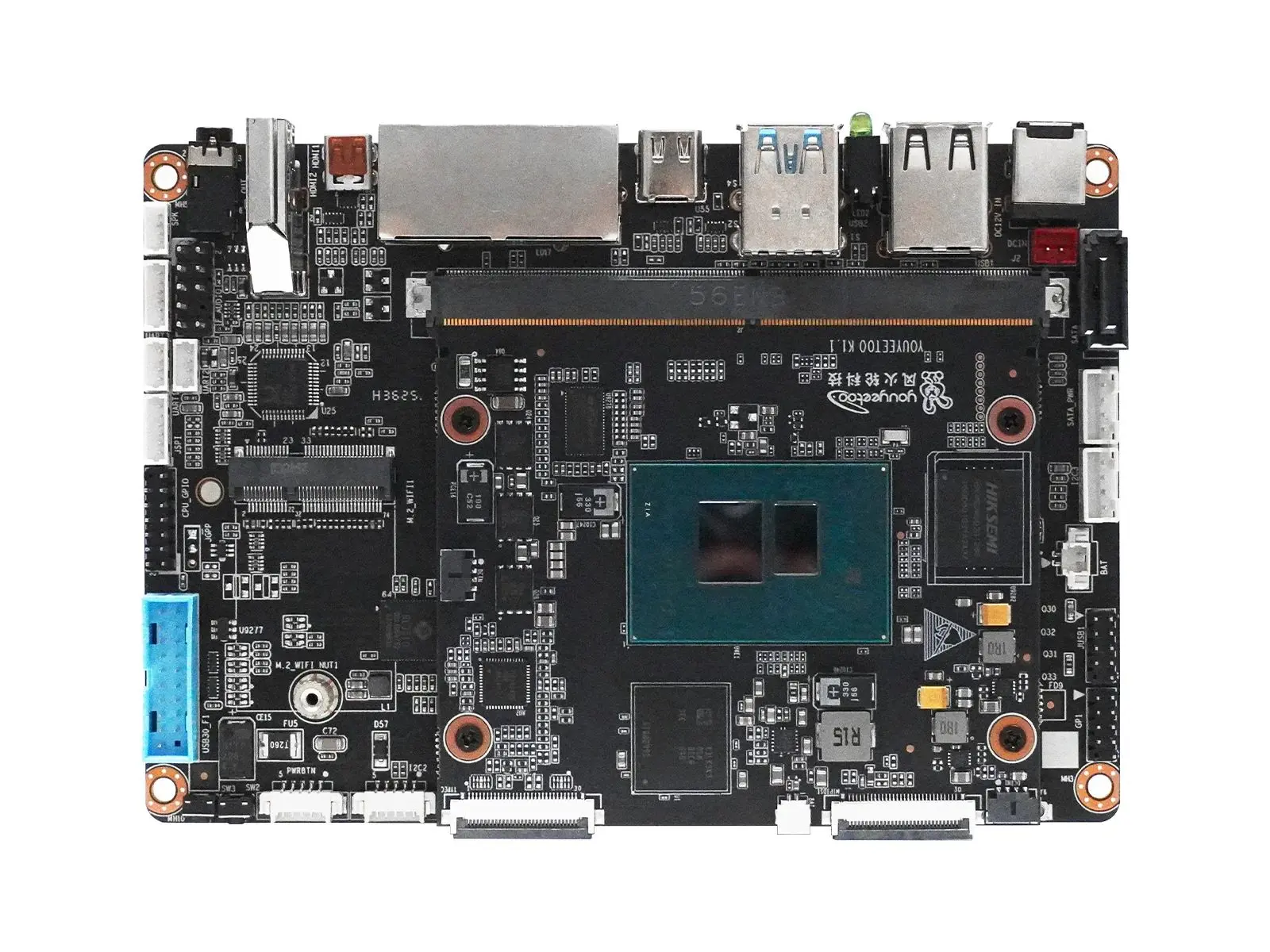
The mini PC market is saturated with fixed, near-identical Intel N100 devices, but the Youyeetoo K1 challenges this norm by introducing modularity and industrial-grade versatility. This compact system segments into a swappable compute module and a carrier board, enabling upgrades and customization without discarding the entire device. This architectural choice is a bold statement against the throwaway culture prevalent in consumer electronics, signaling a shift toward sustainable and adaptable computing solutions.
- The Youyeetoo K1 splits its Intel N100 processor and memory onto a detachable compute module.
- The carrier board offers extensive I/O options, including dual HDMI, SATA with dedicated power, MIPI interfaces, and 27 GPIO pins.
- Designed for light desktop, server, and embedded applications, it supports Windows and multiple Linux distributions.
- Pricing starts at $210 for 8 GB RAM and 128 GB storage, reflecting its niche modular and industrial capabilities.
Modularity as a Business and Industry Differentiator
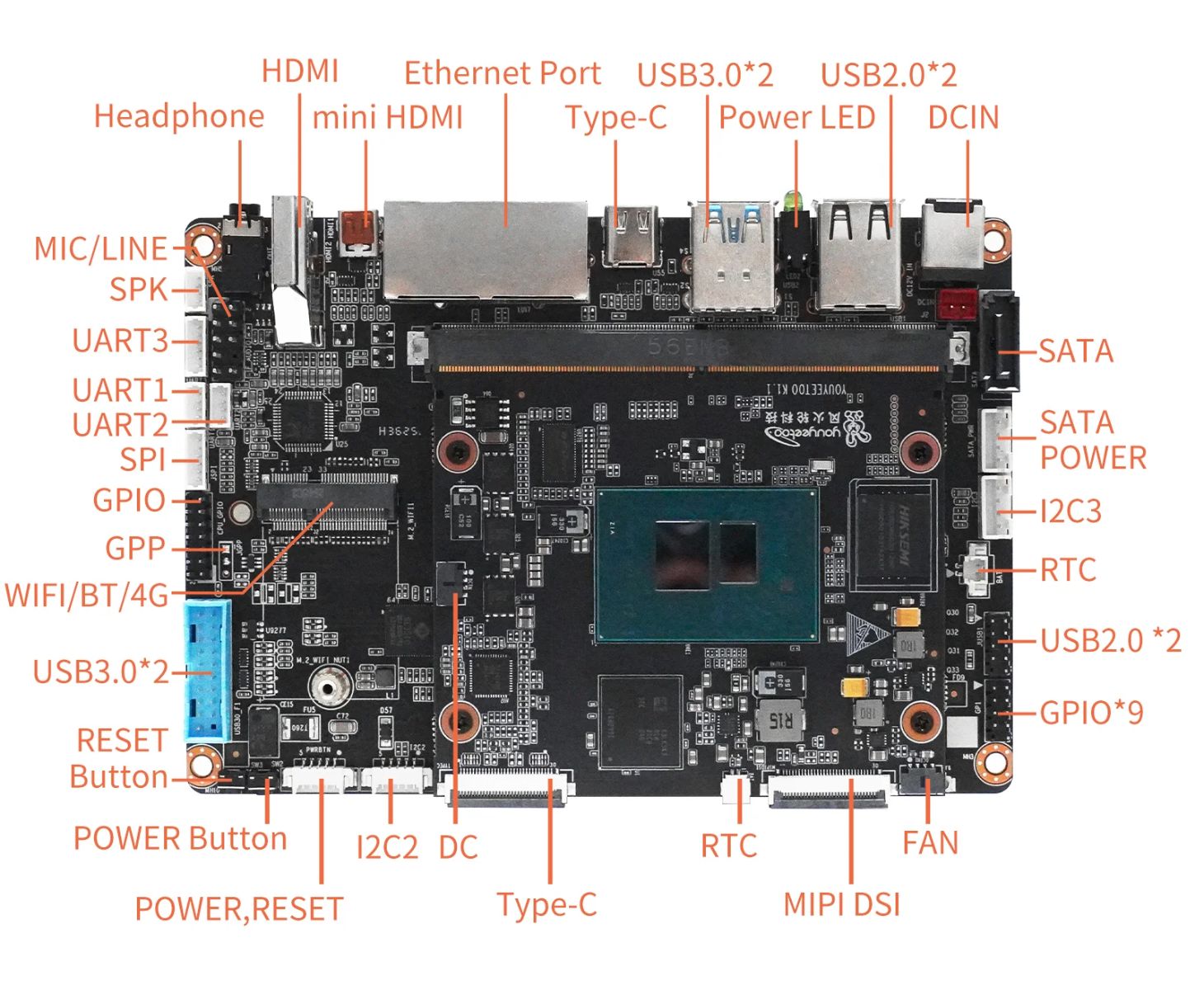
In a landscape dominated by sealed mini PCs, Youyeetoo’s decision to separate the compute module from the carrier board introduces a new paradigm. The Intel N100 chip, paired with up to 16 GB of LPDDR5 memory on an 82 x 71 mm module, can be independently upgraded or replaced. This modular approach potentially extends the device’s lifecycle, reduces electronic waste, and offers businesses flexibility in hardware maintenance. The carrier board’s SO-DIMM-style edge connector facilitates this interchangeability, resembling memory sticks in form factor but diverging significantly in function.
Industrial-Grade I/O Elevates the K1 Beyond Consumer Use
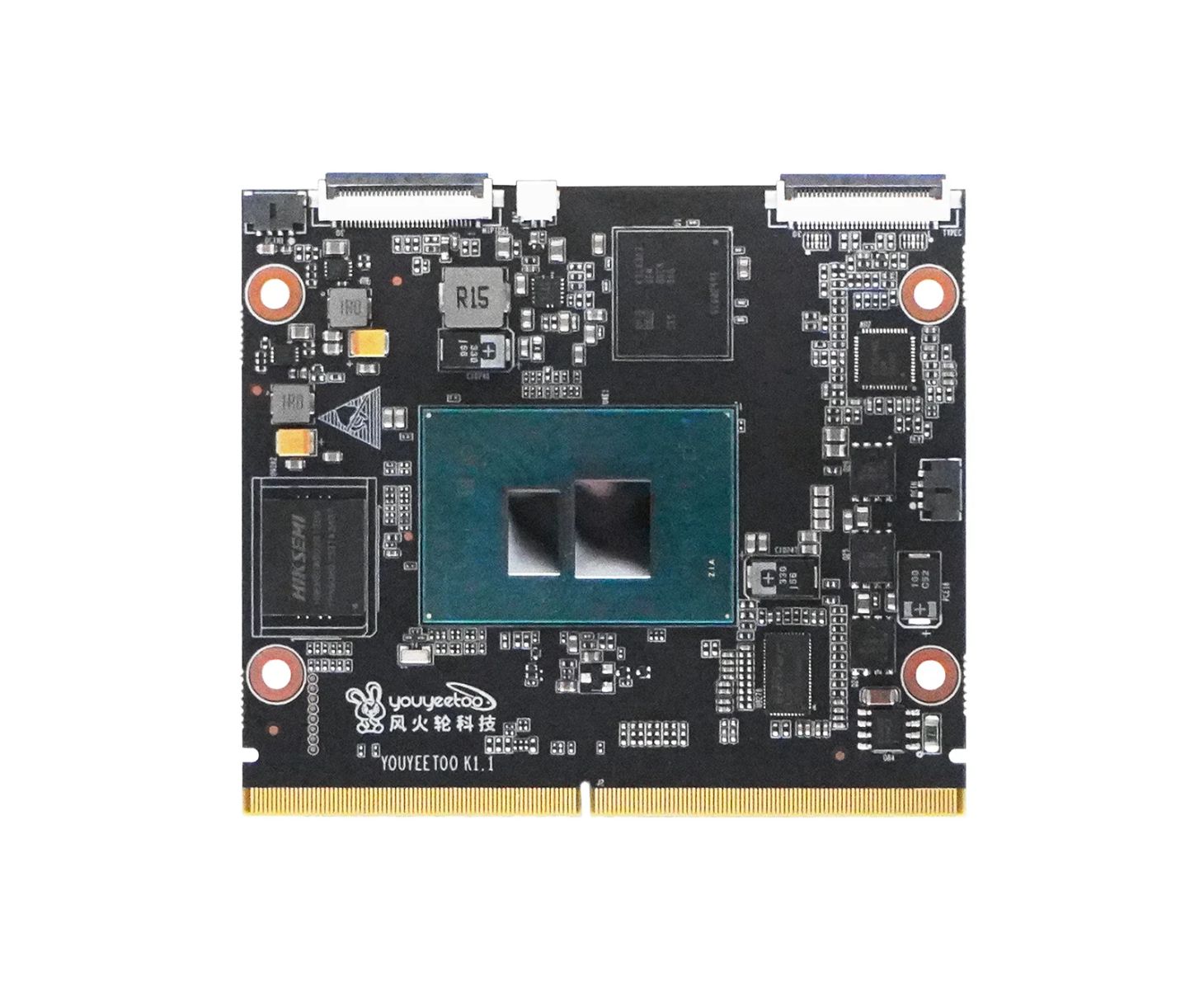
The carrier board’s robust connectivity options distinguish the K1 from typical consumer mini PCs. Dual Gigabit Ethernet ports, HDMI and mini HDMI outputs, USB-C and multiple USB Type-A ports provide standard connectivity. More notably, the board integrates an eDP output for bare laptop panels, MIPI-CSI and MIPI-DSI for camera and display interfaces, and an extensive set of 27 GPIO pins alongside UART, I2C, and SPI headers. These features cater to developers, embedded system engineers, and industrial applications where hardware-level control and custom sensor integration are paramount.
Storage options further emphasize flexibility, combining onboard eMMC with an M.2 2280 slot supporting NVMe or SATA SSDs, and a dedicated SATA data and power connector. Optional wireless connectivity through M.2 E-key slots accommodates Wi-Fi 5/6 or 4G LTE modules, while integrated NFC facilitates tap-to-configure deployments, underscoring the device’s suitability for complex, scalable installations.
Target Use Cases and Market Positioning
The Intel N100’s 6 W TDP limits the K1 to light workloads, making it ideal for home servers, routers, kiosks, signage, and embedded computing rather than power-intensive tasks. It supports Windows 10/11 and popular Linux distros like Ubuntu, Debian, and OpenWrt, ensuring compatibility across a spectrum of software environments. This versatility, combined with its modular design and industrial I/O, positions the K1 for niche markets that prioritize customization, longevity, and integration over raw performance.
Value Proposition and Pricing Considerations
Starting at $209.99 (8 GB RAM and 128 GB eMMC) and $260 (16 GB RAM and 256 GB eMMC), the K1 commands a premium compared to conventional Intel N100 mini PCs. This premium reflects the modular architecture and industrial connectivity rather than sheer hardware specs. Buyers must weigh the benefits of modularity and expanded I/O against cost, especially considering possible import duties or taxes when purchasing directly from Youyeetoo. The K1’s value lies in its potential to disrupt the disposable device model by offering a sustainable, customizable platform that adapts to evolving hardware demands.
Challenges and Industry Impact
While the K1’s modular approach is innovative, it faces challenges in adoption. The broader market’s preference for turnkey, integrated systems may limit mainstream penetration. Moreover, the complexity of industrial I/O may deter casual users but attract specialized sectors. The K1 exemplifies a growing trend toward hardware sustainability and user empowerment, potentially influencing future designs in the mini PC segment and embedded systems industry.
Global Availability and Market Outlook
Since shipping began in January 2026, the Youyeetoo K1 has been available primarily through Youyeetoo’s direct store, with regional pricing and import considerations. Its niche appeal suggests targeted distribution channels, focusing on industrial clients, developers, and enthusiasts who require modular flexibility. The K1’s success could encourage competitors to explore modular designs, promoting a more sustainable and customizable hardware ecosystem.
Reference: Youyeetoo | Notebookcheck