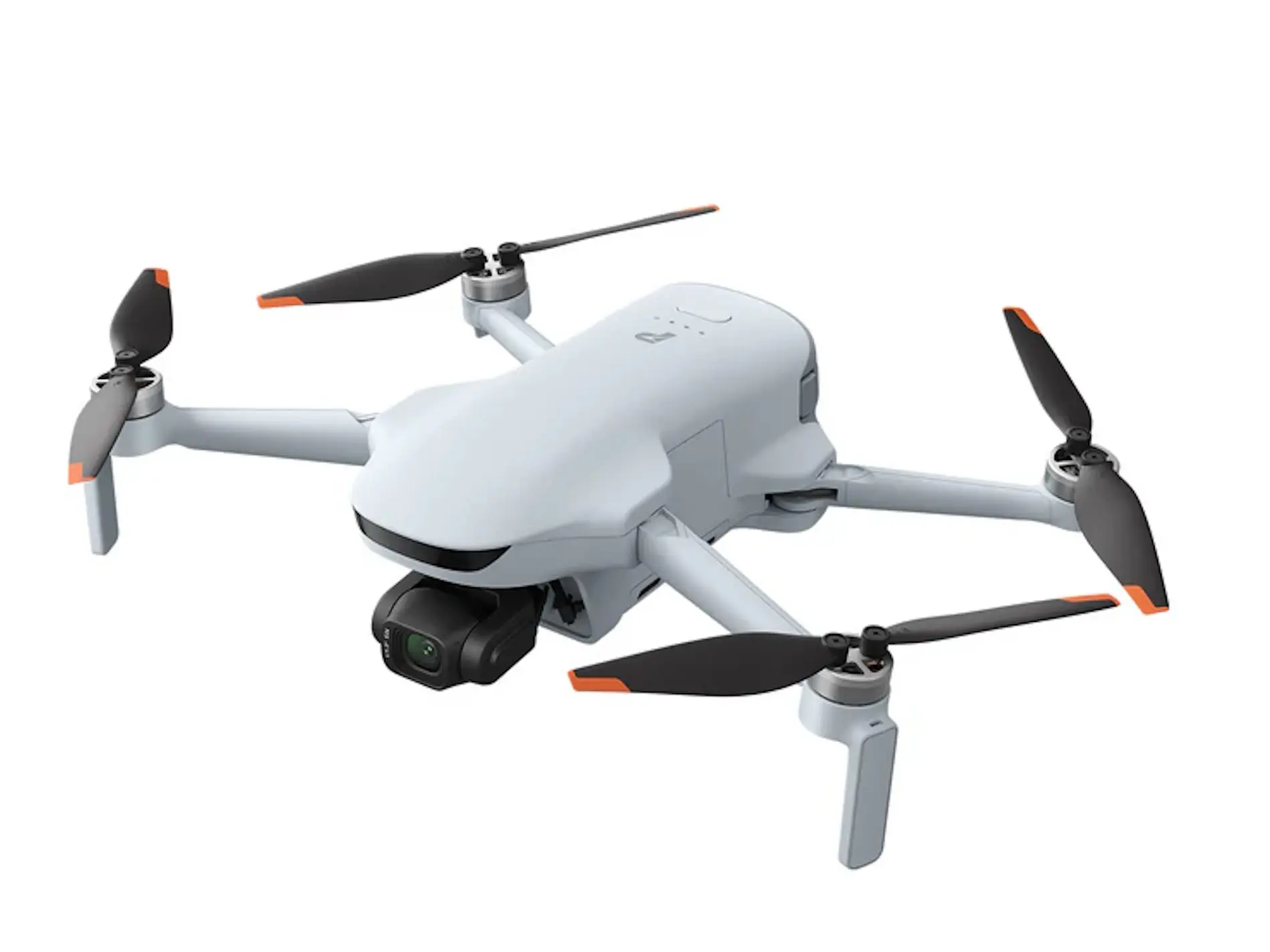
Potensic’s Atom 3 drone has entered the global market, positioning itself as a formidable challenger to DJI’s dominance in the sub-250g drone segment. This move disrupts the drone landscape by offering advanced imaging capabilities and extended flight endurance while navigating the complex regulatory environment that governs lightweight drones.
- The Atom 3 weighs under 249 grams, easing regulatory hurdles in various regions.
- Equipped with a 1/1.3-inch sensor, it delivers high-quality 4K video at 60 Hz and supports slow-motion and vertical recording modes.
- It offers up to 40 minutes of flight time per battery, with a total of two hours using three batteries.
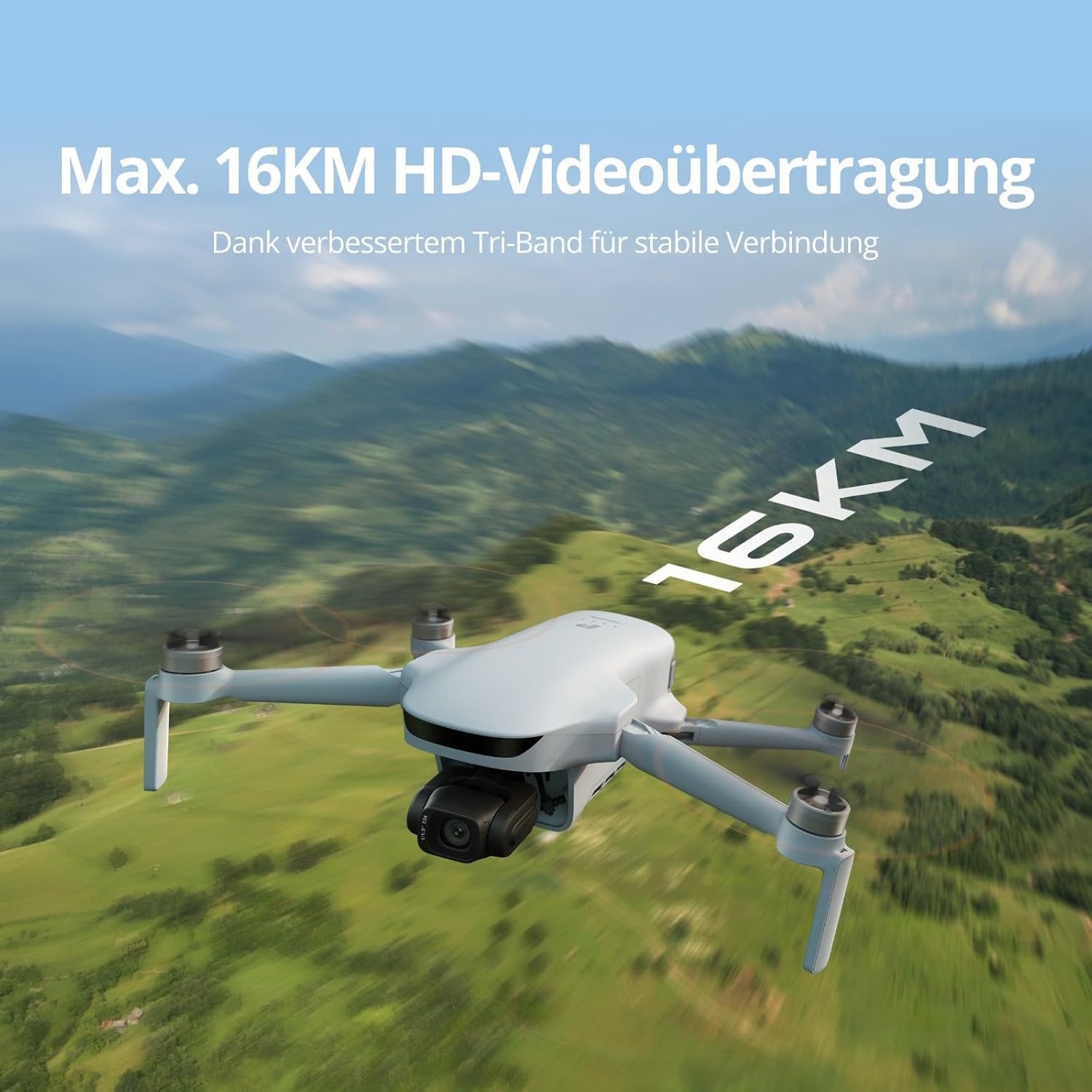
- Features such as waypoint flight planning and a 16 km video transmission range cater to advanced users and professionals.
Strategic Weight Advantage and Regulatory Implications
By keeping the Atom 3’s weight below 249 grams, Potensic strategically addresses drone regulations that often impose fewer restrictions on drones under 250 grams. This design choice reduces the compliance burden for users, potentially accelerating adoption among hobbyists and professionals who seek to avoid cumbersome registration or licensing requirements.
However, this weight limitation also presents trade-offs, particularly in balancing payload capacity and battery life. Potensic’s approach to mitigating these constraints through efficient battery usage and sensor technology is critical to its competitive positioning.
Imaging Capabilities Elevate User Experience
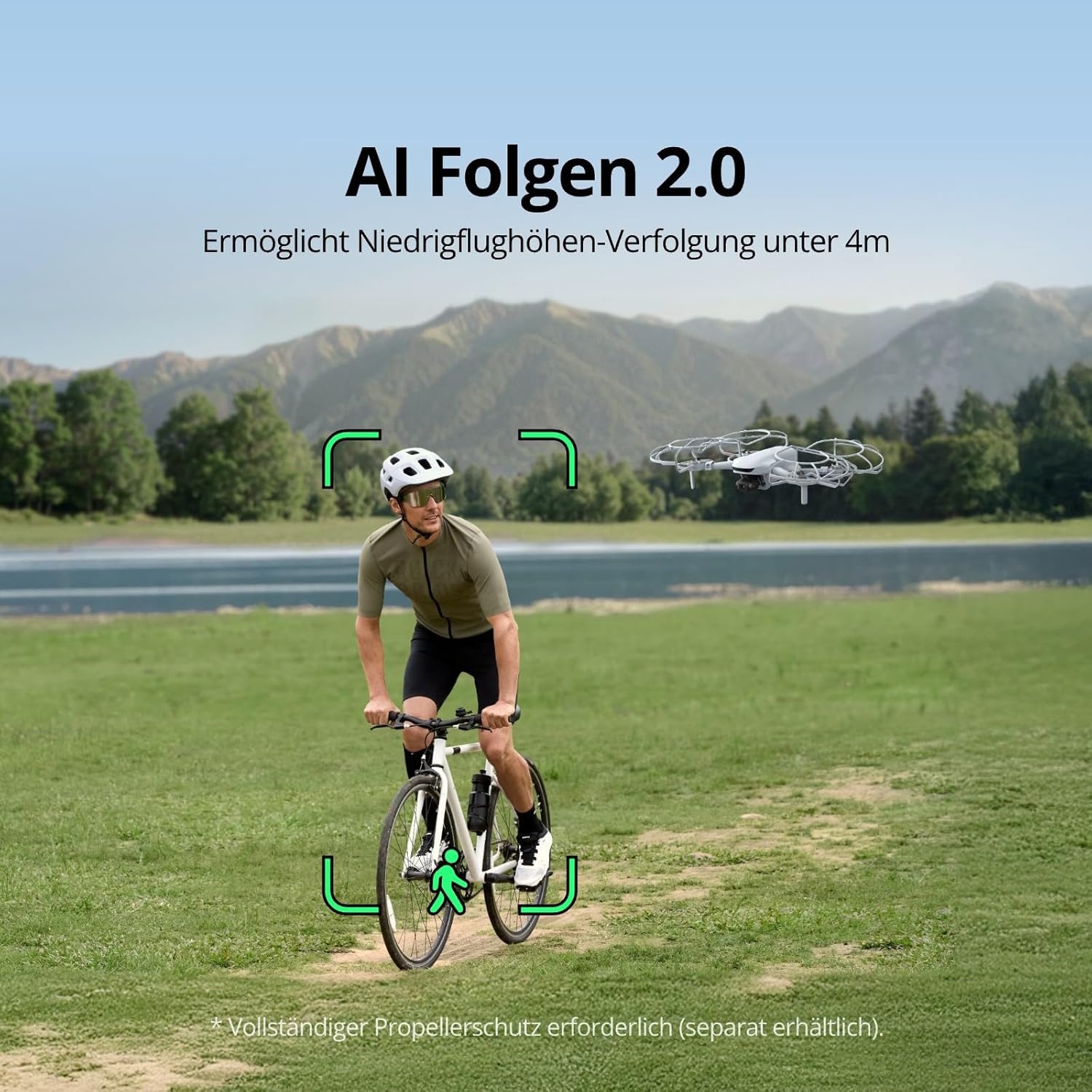
The inclusion of a 1/1.3-inch sensor marks a significant step up in image quality, especially in low-light and high dynamic range scenarios. Recording 4K video at 60 Hz with extended dynamic range addresses the growing demand for professional-grade aerial footage in content creation and commercial applications.
Moreover, the drone supports Full HD slow-motion recording at up to 7× slowdown and vertical video capture at 2.7K resolution, features that align with social media trends and the needs of action sports videographers. Such versatility enhances the drone’s appeal beyond casual users to creative professionals.
Flight Automation and Transmission Range as Differentiators
Potensic’s implementation of waypoint flight planning simplifies automated flight paths, a feature that can increase operational efficiency and safety. This capability is particularly valuable for commercial users conducting surveys, inspections, or cinematic shoots.
The specified video transmission range of up to 16 kilometers significantly extends operational flexibility, allowing users to maintain control and monitor footage over long distances. This range challenges existing offerings from established brands and raises questions about spectrum management and regulatory compliance in various markets.
Market Positioning and Business Implications
Priced at $680 for a package including three batteries and a dedicated 5.5-inch display controller, the Atom 3 targets a market segment that values high-end features without the premium pricing of incumbent leaders. The optional use of a smartphone as a controller screen further broadens user accessibility.
This pricing strategy and feature set suggest Potensic’s intent to disrupt DJI’s market share by appealing to users who demand advanced capabilities and regulatory ease. The long battery life claim, if validated in real-world conditions, could further sway user preference.
Potential Impact on the Drone Ecosystem
The Atom 3’s entry could intensify competition, prompting incumbents to innovate or adjust pricing. It also raises critical discussions about data control, as drones increasingly become conduits for sensitive aerial data. How Potensic manages user data and privacy will be an important consideration for regulators and customers alike.
Furthermore, the drone’s features may influence content creation, inspection services, and recreational flying, potentially reshaping market dynamics and user expectations.
Global Availability and Regulatory Challenges Ahead
Currently available outside China, the Atom 3’s global rollout will test its adaptability to diverse regulatory frameworks. Compliance with regional flight restrictions, data security rules, and spectrum allocations will be pivotal for its sustained success.
As Potensic navigates these challenges, its strategy could set precedents for future entrants aiming to balance innovation, user needs, and regulatory demands in the drone industry.
Reference: Potensic | Notebookcheck