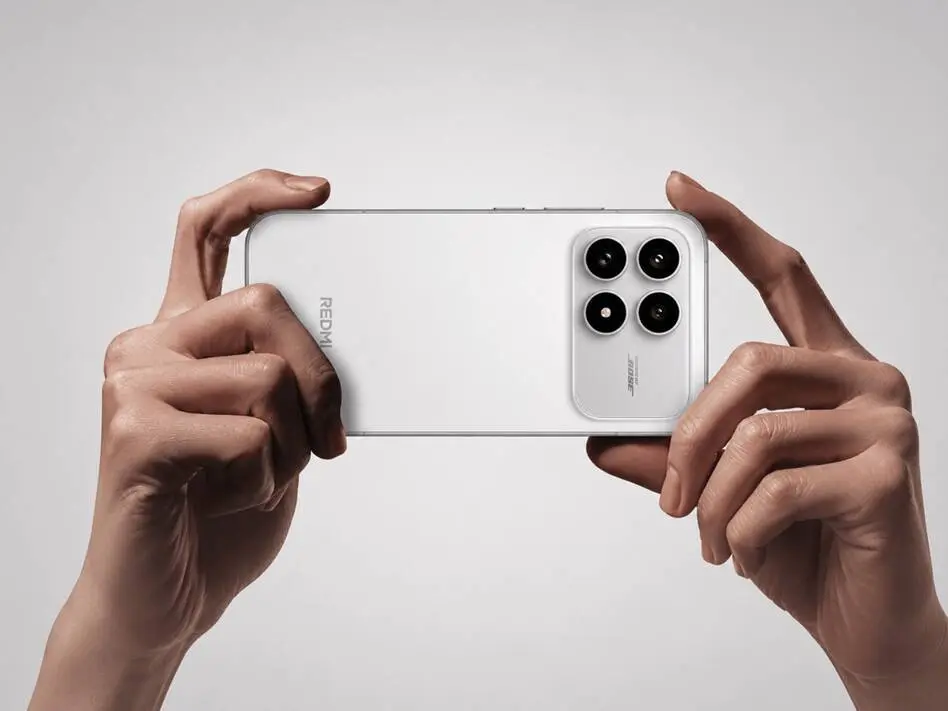
Xiaomi is poised to disrupt the sub-flagship smartphone market once again with the leaked specifications of its upcoming Redmi K100 model, signaling a bold move to redefine performance and display technology in this segment.
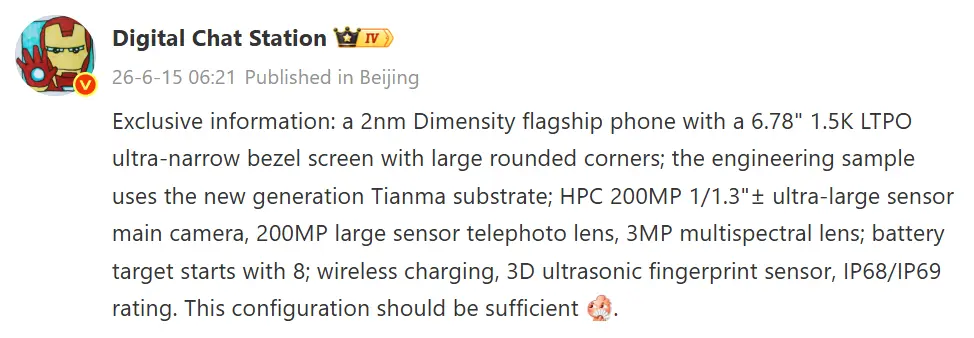
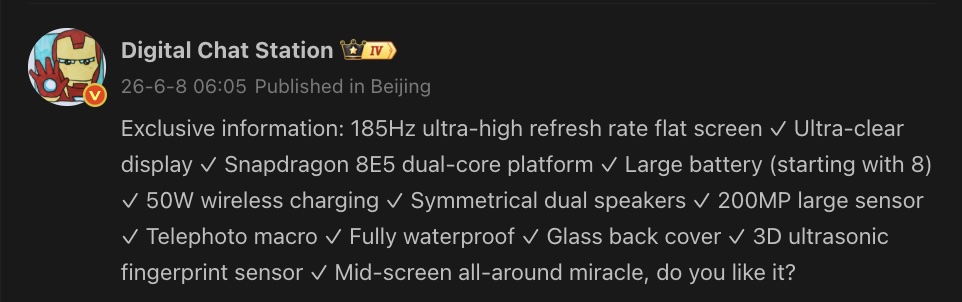
- The Redmi K100 is rumored to feature a cutting-edge Snapdragon 8 Elite Gen 5 chipset, elevating processing power beyond previous models.
- Its display is expected to support an unprecedented 185Hz refresh rate, significantly surpassing the standard 120Hz in prior Redmi K90 models.
- The device may include a massive 8,000mAh battery with 50W wireless charging, addressing the growing consumer demand for extended battery life and convenience.
- Camera capabilities are rumored to include a 200MP sensor coupled with a telephoto macro mode, reflecting Xiaomi’s strategy to compete aggressively in mobile photography.
Sub-Flagship Market Disruption Through Hardware and Display Innovation
The Redmi series has traditionally served as Xiaomi’s sub-flagship lineup, targeting consumers seeking high-end features without flagship price tags. The upcoming Redmi K100 leak reveals a device that seemingly pushes the envelope on hardware specifications within this category.
The inclusion of Qualcomm’s Snapdragon 8 Elite Gen 5 chipset, a processor currently powering Xiaomi’s flagship 17 model priced around $950, is a strategic choice that blurs the lines between flagship and sub-flagship tiers. This move suggests Xiaomi’s intent to consolidate market share by offering flagship-level performance at a more accessible price point.
Moreover, the anticipated 185Hz refresh rate display is a significant leap from the 120Hz standard in the Redmi K90, promising smoother visuals and responsiveness. This advancement not only enhances user experience but also raises questions about power consumption and the trade-offs between display performance and battery efficiency.
Battery and Charging: Prioritizing Longevity and Convenience
The rumored 8,000mAh battery capacity represents a substantial increase compared to the previous 7,100mAh in the K90 model. Coupled with 50W wireless charging, this signals Xiaomi’s focus on addressing the growing consumer demand for devices that sustain longer usage without compromising charging convenience.
However, the balance between a high-refresh-rate display and large battery capacity will be crucial. The increased power draw from the 185Hz screen could offset gains in battery life, posing a challenge for Xiaomi to optimize power management effectively.
Camera Enhancements and Market Positioning
The leak also highlights a 200MP camera sensor with telephoto macro capabilities, positioning the Redmi K100 as a serious contender in mobile photography. This aligns with broader industry trends where camera performance increasingly influences consumer purchasing decisions.
By integrating such high-resolution imaging and versatile shooting modes, Xiaomi aims to attract photo enthusiasts and content creators, potentially disrupting the mid-range camera smartphone market.
Material and Security Features: Premium Touch in a Sub-Flagship Device
The device is expected to feature a glass back and metal frame, materials typically reserved for higher-end smartphones, which may elevate the perceived value and durability of the Redmi K100. Additionally, the inclusion of an ultrasonic fingerprint scanner underlines Xiaomi’s commitment to integrating advanced security features within this price segment.
Implications for Industry and Consumers
Xiaomi’s strategy with the Redmi K100 reflects a broader trend of eroding distinctions between flagship and sub-flagship devices, driven by competitive pressures and consumer expectations for high performance at lower prices.
While these enhancements promise substantial benefits for users, they also raise questions about sustainability, especially regarding battery life versus display performance, and the long-term impact on device pricing and market segmentation.
Regulators and competitors will likely watch closely how Xiaomi balances innovation with market dynamics, particularly as such devices influence user data consumption patterns, platform power, and economic leverage within the mobile ecosystem.
Reference: NotebookCheck