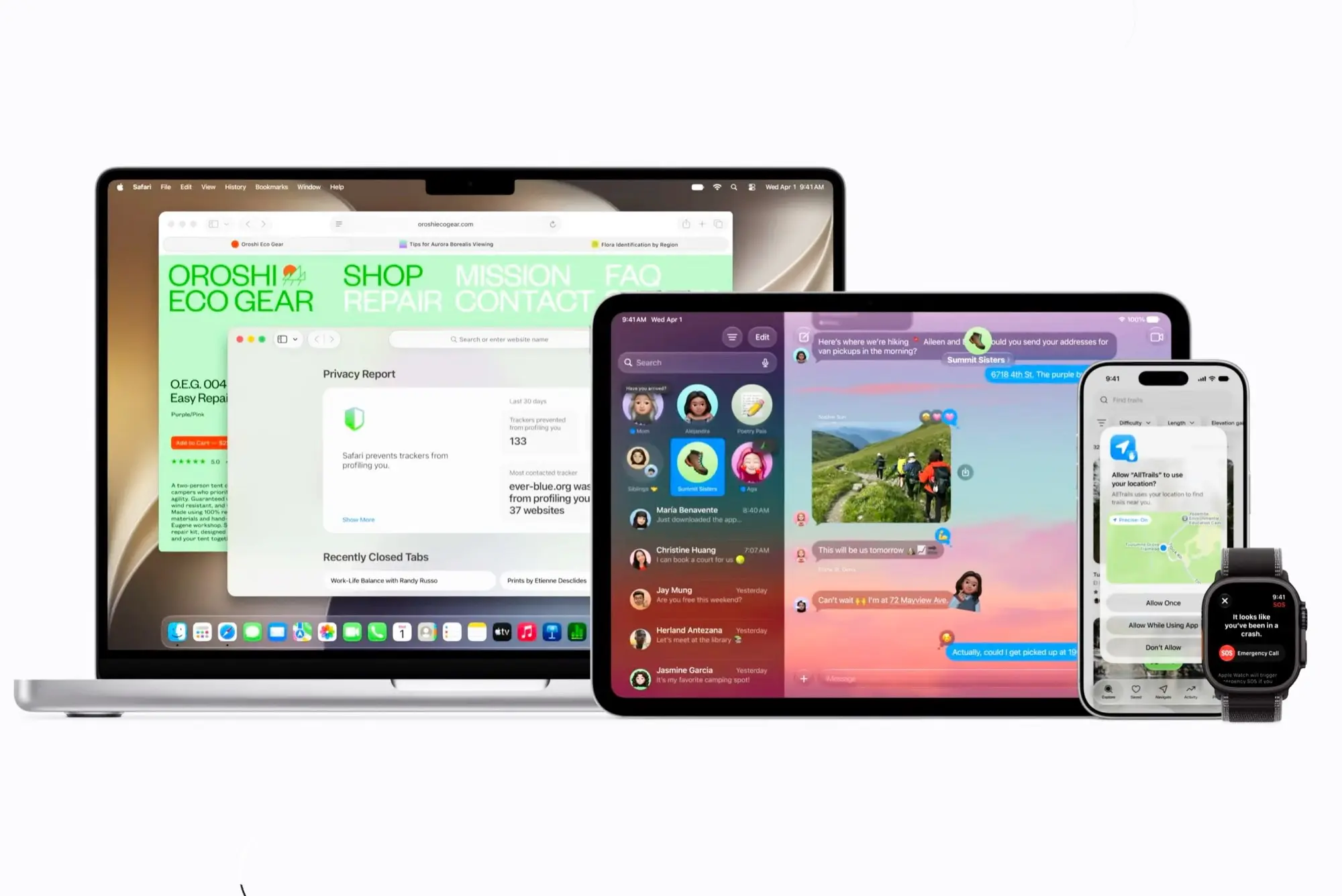
Apple’s announcement of its upcoming operating system updates reveals a stark contrast in device support, particularly highlighting a severe restriction for Apple Watch users while maintaining broad compatibility for iPhones. This strategic decision underscores Apple’s prioritization of newer hardware and raises questions about the social and economic impacts on users, developers, and the broader ecosystem.
- iOS 27 supports iPhones up to 7 years old, maintaining broad device inclusion.
- Apple Watch faces significant compatibility cuts with watchOS 27, limiting software support to very recent models.
- macOS 27 drops support entirely for Intel-based Macs, favoring Apple silicon devices.
- iPadOS 27 excludes several older iPad Pro and other iPad models, narrowing the user base.
iOS 27 Sustains Device Longevity Amid Industry Trends
Apple’s decision to allow iOS 27 installation on all devices compatible with iOS 26, including models as old as the iPhone 11 series released in 2019, signals a continued commitment to prolonged device support in the smartphone segment. This approach contrasts with the more aggressive cuts in other device categories and helps sustain user engagement and satisfaction. For businesses and developers, this extended support means a larger, more stable user base for app deployment and updates.
Apple Watch Users Face Abrupt Support Termination
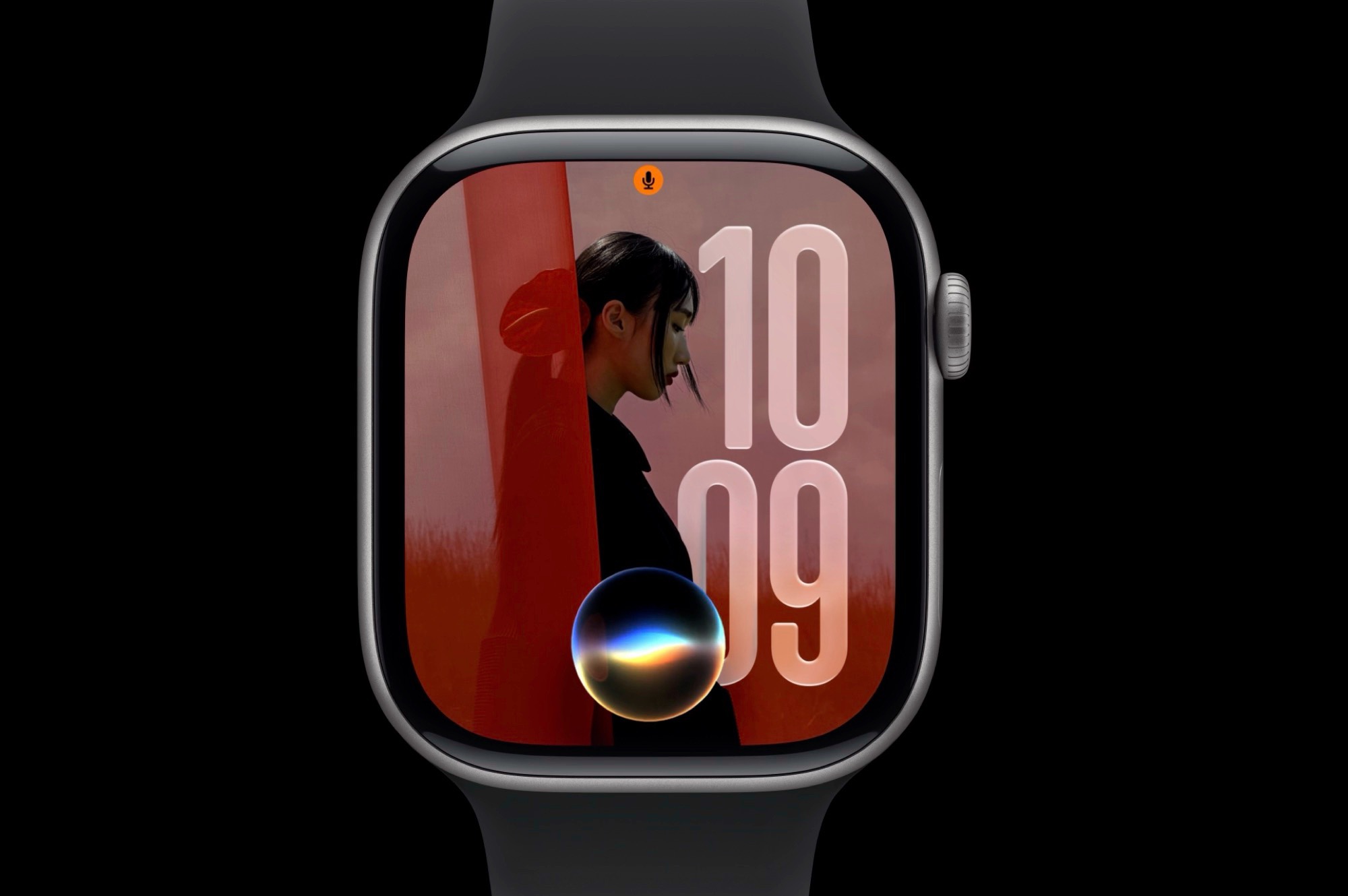
The most striking aspect of the update cycle is the drastic reduction in Apple Watch models eligible for watchOS 27. Devices from Series 6 through Series 9, previously compatible with watchOS 26, are now excluded. Only the latest Series 9, 10, 11, Apple Watch Ultra 2 and 3, and Apple Watch SE 3 remain supported. This sharp cutoff disrupts the user experience for many early adopters, forcing hardware upgrades sooner than expected and potentially fragmenting the smartwatch market.
macOS 27 Embraces Apple Silicon, Excludes Intel Macs
macOS 27 Golden Gate marks a decisive move away from Intel processors, supporting only Macs with Apple silicon chips. This leaves all Intel-based Macs, predominantly sold before 2020, without access to the latest features. While this transition aligns with Apple’s long-term hardware strategy, it also forces users and enterprises to consider hardware refreshes, potentially increasing electronic waste and raising concerns about planned obsolescence.
Selective iPadOS 27 Support Reflects Hardware Prioritization
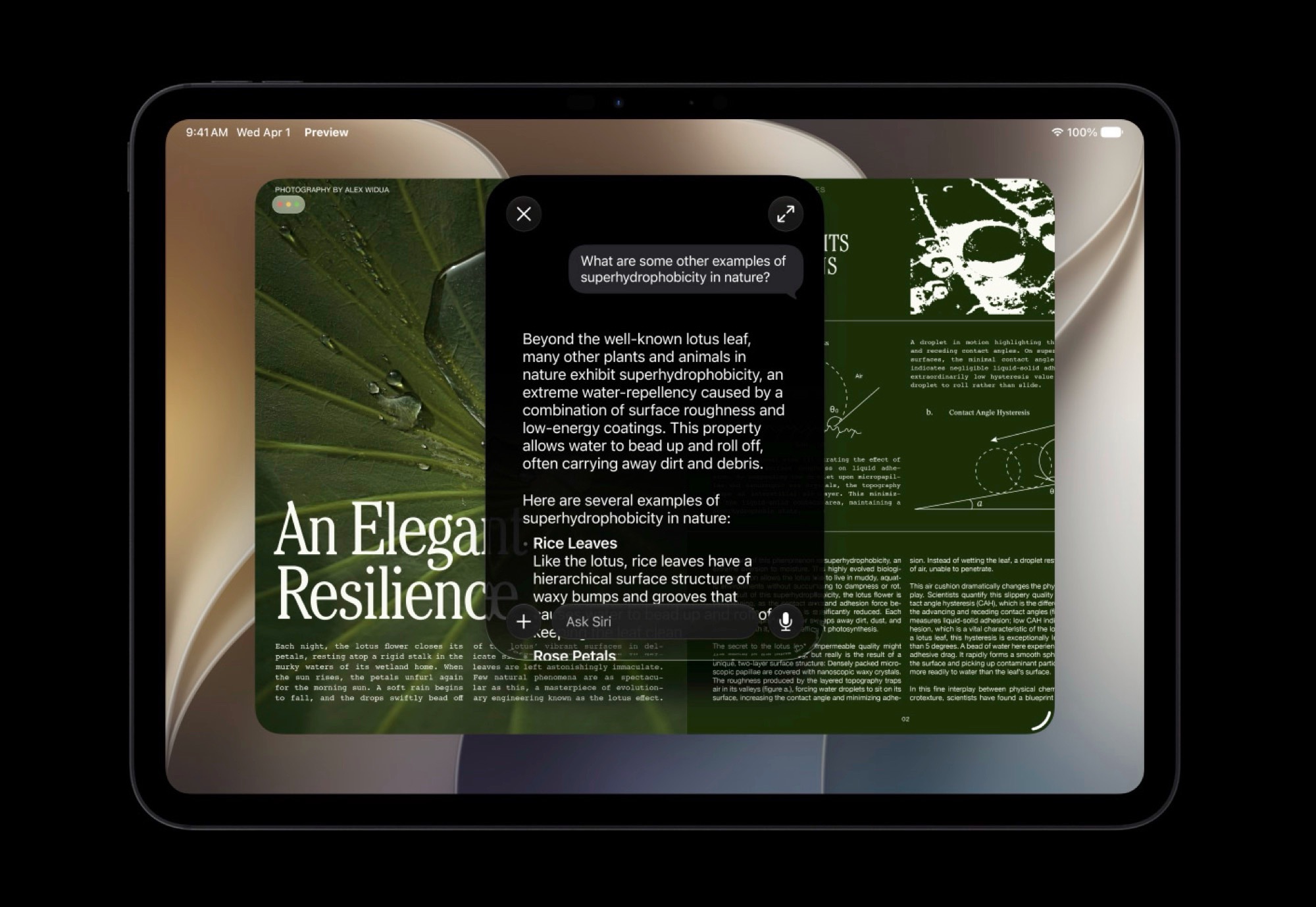
Similarly, iPadOS 27 drops support for the 2018 iPad Pro models, the eighth-generation iPad, the fifth-generation iPad mini, and the third-generation iPad Air. This selective compatibility narrows the range of devices eligible for the update, impacting educators, creatives, and professionals who rely on slightly older iPads for their workflows. The exclusion reflects Apple’s focus on newer hardware capabilities but may alienate a segment of the user base.
Business and Regulatory Implications of Apple’s Compatibility Decisions
Apple’s selective support strategy demonstrates a balancing act between fostering innovation through hardware advancement and managing the economic consequences for consumers and developers. By limiting software updates to newer devices, Apple effectively accelerates hardware sales, which benefits its business model but raises questions about consumer rights and environmental responsibility. Additionally, these decisions may attract regulatory scrutiny regarding product lifespan and planned obsolescence practices.
Impact on Developers and Ecosystem Dynamics
Developers face a complex landscape with a bifurcated user base: a broad, diverse iPhone audience versus a shrinking pool of Apple Watch and older Mac users. This fragmentation may influence app development priorities, testing resources, and feature rollouts. The ecosystem’s health depends on how Apple manages these transitions without alienating users or stifling innovation.
Global Availability and Market Considerations
While Apple typically rolls out OS updates globally, regional variations in device popularity and market penetration mean the impact of these compatibility cuts will differ worldwide. Markets with higher adoption of older Apple Watch models or Intel Macs may experience more pronounced disruptions, affecting user retention and satisfaction.

Reference: NotebookCheck