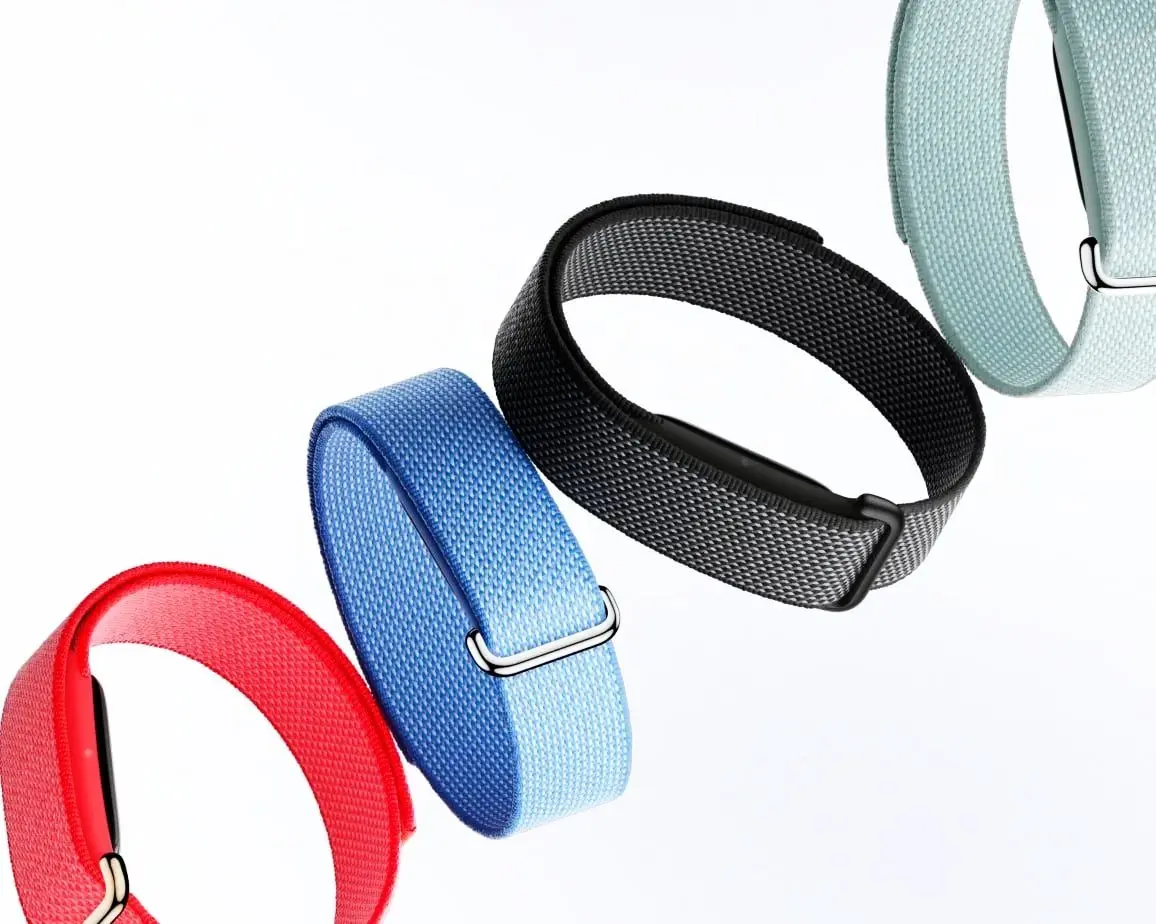
Google’s Fitbit Air has taken a bold step towards user customization by releasing official design guidelines that allow enthusiasts to 3D print their own bands and accessories. This move opens up new possibilities for personalization in wearable technology, challenging the traditional model where users are limited to manufacturer-provided options.
- Google provides exact Fitbit Air dimensions and CAD files for 3D printing custom bands and accessories
- Design rules ensure sensor clearance and skin contact for accurate biometric tracking
- Fitbit Air offers 7-day battery life and optional $9.99 monthly Google Health Premium AI coaching
- Custom bands must be made from skin-friendly materials and maintain device functionality
unpacking the significance of open design guidelines for Fitbit Air users
By releasing the precise mating dimensions, tolerance margins, and 2D CAD files for the Fitbit Air, Google is effectively handing over control to its users to create personalized accessories. The device consists of two primary components: the “pebble,” which houses sensors, batteries, and core electronics, and the “sleeve,” which covers the pebble and connects to the bands. The detailed specifications ensure that third-party or self-made bands fit perfectly without compromising the device’s integrity.
balancing customization with biometric accuracy and safety
Google’s design rules emphasize that all bands and accessories must allow proper clearance for the heart rate and SpO2 sensors. This is crucial because any obstruction could degrade the accuracy of biometric data, which is the device’s core value proposition. Additionally, the guidelines insist that the tracker maintains constant skin contact and that bands are constructed from skin-friendly materials, highlighting a trade-off between creative freedom and health-conscious design.
fitbit air’s value proposition beyond hardware customization
Unlike competitors such as the Whoop 5.0, Fitbit Air does not require a subscription for its fundamental biometric tracking features. Users can access core health metrics without ongoing fees, while an optional Google Health Premium AI coaching service is offered at $9.99 per month or $99.99 annually. This pricing strategy allows users to choose the level of engagement and investment they prefer, making the device appealing to a broader audience.
implications for the wearable ecosystem and user empowerment
Google’s decision to provide open design files for Fitbit Air accessories signals a shift towards more user-centric device ecosystems. It challenges the conventional closed-loop model where manufacturers tightly control hardware customization. This approach empowers users, fosters creativity, and may stimulate a community-driven marketplace for innovative bands and accessories. However, it also places responsibility on users to balance personalization with device functionality and health considerations.
The Fitbit Air’s combination of open hardware design, flexible subscription options, and efficient battery life positions it as a compelling choice for users seeking both control and convenience in wearable technology.
Via: Notebookcheck