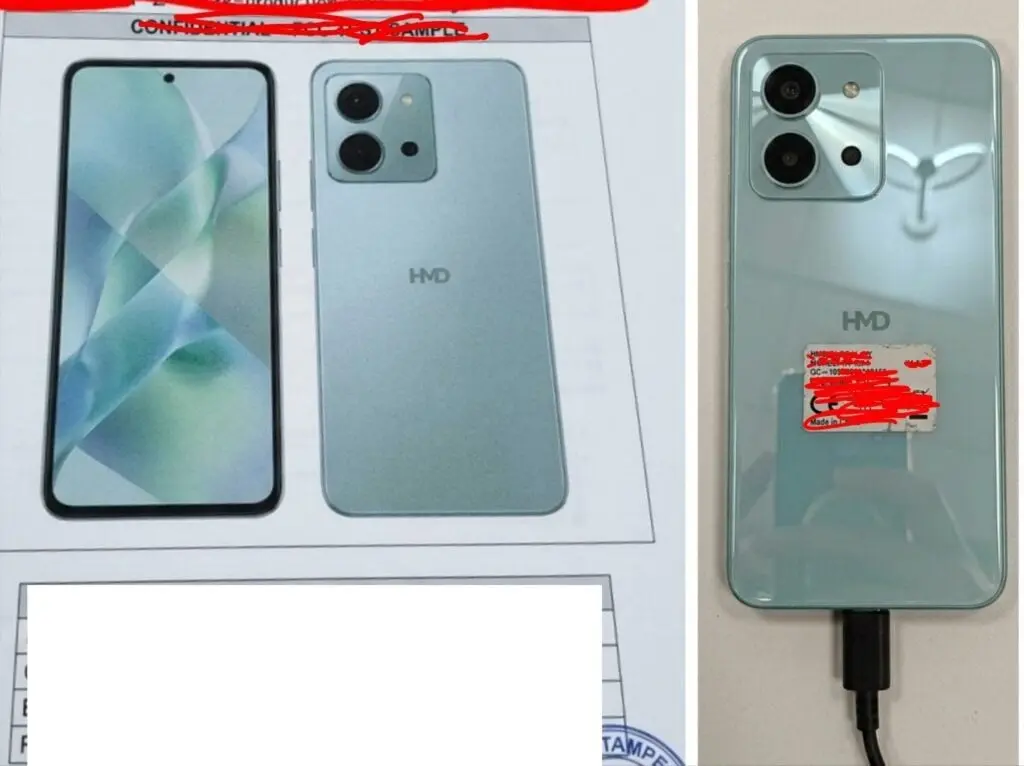
A gadget with impressive specs can look tempting at first glance. Faster chips, brighter screens, bigger batteries, and smarter features often make a product sound like an easy upgrade.
But specs alone rarely tell the full story.
For many buyers, the real question is not whether a device looks powerful on paper. The better question is whether it actually fits daily needs, budget, and long-term expectations. A phone, tablet, laptop, wearable, or accessory can be technically impressive while still being the wrong choice for certain users.
That is why practical context matters when comparing tech products.
Start With How You Use the Device
Before looking at numbers, it helps to think about usage. A device meant for gaming, video editing, travel, online meetings, or casual browsing will have different priorities.
For example, a powerful processor may be important for heavy apps and multitasking. But for users who mostly browse the web, watch videos, reply to messages, and check email, battery life, display comfort, storage, and software support may matter more.
The best gadget is not always the most expensive or the most powerful. It is the one that solves the right problem.
Bigger Numbers Do Not Always Mean Better Experience
Tech products often compete through numbers. Higher refresh rates, larger megapixel counts, faster charging, and bigger batteries can all sound attractive. However, each feature needs to be understood in context.
A larger battery may offer longer usage, but it can also make a device heavier. A thinner body may look more premium, but it may affect heat management or battery capacity. A high-resolution camera may sound impressive, but image processing, lens quality, and low-light performance also play a major role.
This is why buyers should avoid judging a product based only on headline specs.
Price and Availability Matter Too
A product may receive attention globally, but pricing and availability can vary by region. A device that feels like a strong deal in one market may be less attractive in another if the price is higher or official support is limited.
Warranty, software updates, accessories, service centers, and resale value can also affect the long-term experience. These factors are not always as exciting as specs, but they often matter after the purchase.
Trade-Offs Are Normal
No gadget is perfect. A compact device may be easier to carry but less powerful. A gaming-focused laptop may deliver strong performance but feel heavy for travel. A budget phone may offer good battery life but compromise on camera quality or display brightness.
The key is to understand which trade-offs are acceptable for your needs.
Final Thoughts
Buying a gadget is not just about choosing the device with the biggest numbers. It is about matching the product to real habits, priorities, and budget.
Specs are useful, but they should be treated as a starting point, not the final answer. A smarter buying decision comes from understanding how each feature affects daily use.
In the end, the best tech product is the one that feels useful after the excitement fades.