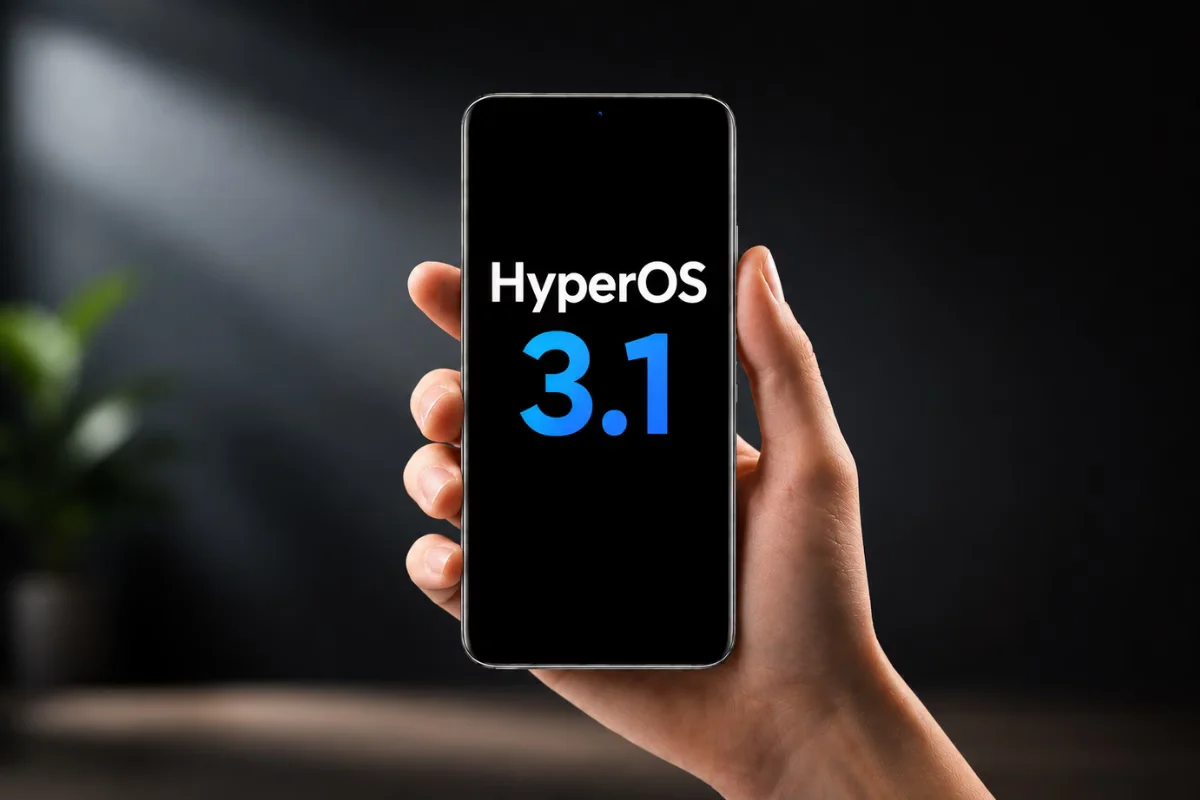
Xiaomi’s HyperOS 3.1 update rollout is far from complete, with over a dozen budget and mid-range devices still waiting months after the initial launch. This matters because it highlights the real-world challenges Xiaomi faces beyond just pushing software updates.
- HyperOS 3.1 brings major UI changes, including iOS-style vertical recent apps and native AirPods integration.
- More than a dozen Xiaomi and Poco budget devices remain unupdated, including Redmi Note 15 Pro 4G and Poco M7 4G.
- Delays stem from bugs, hardware optimization, firmware certification, and chipset constraints.
- HyperOS 4 beta, based on Android 17, is already available on Xiaomi’s flagship models.
Flagship Devices Move Fast, Budget Phones Lag Behind
The rollout of HyperOS 3.1 began in April, and Xiaomi claims about 85% of eligible devices have received it. That sounds good until you realize most of the missing devices are budget or mid-range models. Phones like the Redmi Note 15 Pro 4G, Redmi 14 series, and several Poco devices are still stuck without the update.
The catch is simple: lower-end hardware often needs more fine-tuning. Xiaomi likely hit bugs or performance issues that require deeper optimization. Plus, regional firmware certifications can drag out timelines. So, while flagship users get to test new features early, budget users are left waiting and wondering.
HyperOS 3.1 Isn’t Just a Patch, But a Visual and Functional Shake-up
Based on the spec sheet, HyperOS 3.1 introduces a redesigned recent apps page with vertical scrolling and card swiping gestures — a clear nod to iOS. There’s also native AirPods support for quick pairing, active noise cancellation toggles, and spatial audio access. Xiaomi tablets finally get Hyper Island, a feature delivering richer animations and real-time activity tracking.
The lock screen sees more customization options with advanced depth effects and widget configurations. On top of that, Xiaomi’s new Super OTA promises faster updates with minimal reboot time and fewer errors. On paper, this looks like a solid upgrade — but whether it runs smoothly on older hardware is another question.
Why the Long Wait? The Real Reasons Behind Update Delays
Xiaomi hasn’t spelled out exact causes, but the usual suspects are in play. Internal testing might have uncovered critical bugs, requiring more development cycles. Hardware optimization is another headache, especially for budget chipsets that can’t keep up with new software demands. Regional firmware certification processes can add weeks, if not months.
Don’t hold your breath for all devices to get HyperOS 3.1 anytime soon. Delays like this are common with budget models across brands — Xiaomi is no exception.
HyperOS 4 and Android 17: What’s Next?
While many devices are still waiting on HyperOS 3.1, Xiaomi is already pushing forward with HyperOS 4 based on Android 17. Early beta builds are available on Xiaomi 17, Xiaomi 17 Ultra, and Xiaomi 15T Pro. This update promises AI improvements and more major changes, but it’s currently limited to flagship hardware.
This means users on older or less powerful phones might have to wait even longer or miss out on the latest features entirely.
GizmoIndo’s Take
Xiaomi’s HyperOS 3.1 rollout reveals a familiar pattern: premium phones first, budget devices much later. The delay isn’t just about Xiaomi dragging its feet — it’s a reflection of the challenges in delivering modern software on older or less capable hardware. Xiaomi’s claims of a smooth, feature-packed update clash with reality for many users still stuck on older builds.
The new features are promising, especially around UI and ecosystem integration, but the gap between flagship and budget experience is widening. For users holding onto Redmi and Poco devices, patience remains the only option. Meanwhile, Xiaomi’s push toward Android 17 and AI-driven HyperOS 4 signals where the company’s priorities lie: on high-end devices with room to breathe.
In short: if you own a budget Xiaomi phone, don’t expect HyperOS 3.1 anytime soon. And keep an eye on HyperOS 4 — it may never reach your device.
(Via)