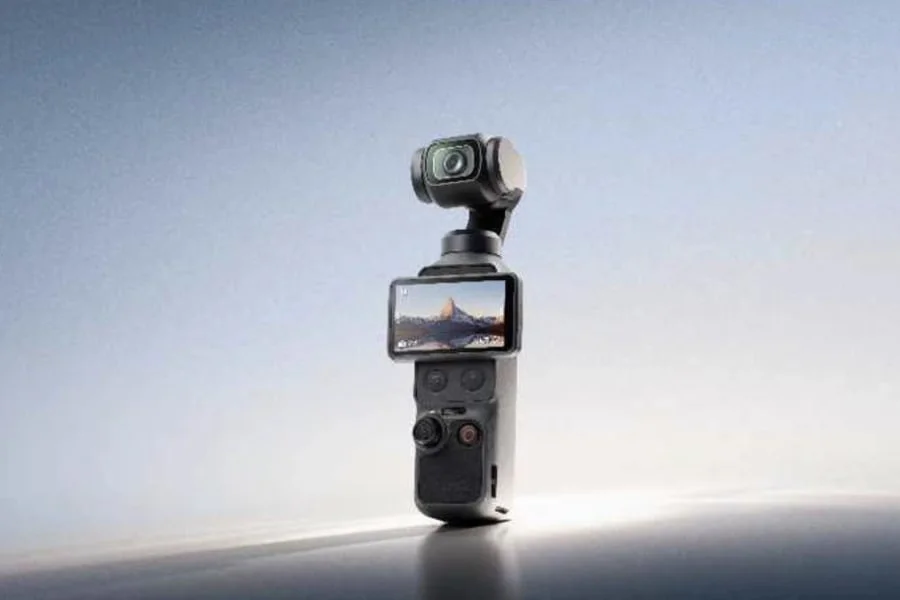
The Vivo Pocket gimbal camera is shaping up as a contender in the compact vlogging camera space — but the timeline and specs leave room for skepticism. Expected late this year, the device promises a large 1/1.1-inch sensor and rivalry with DJI’s lineup, yet delays and vague processor details muddy the waters.
- Launch expected between November and December, despite earlier rumors of a September debut.
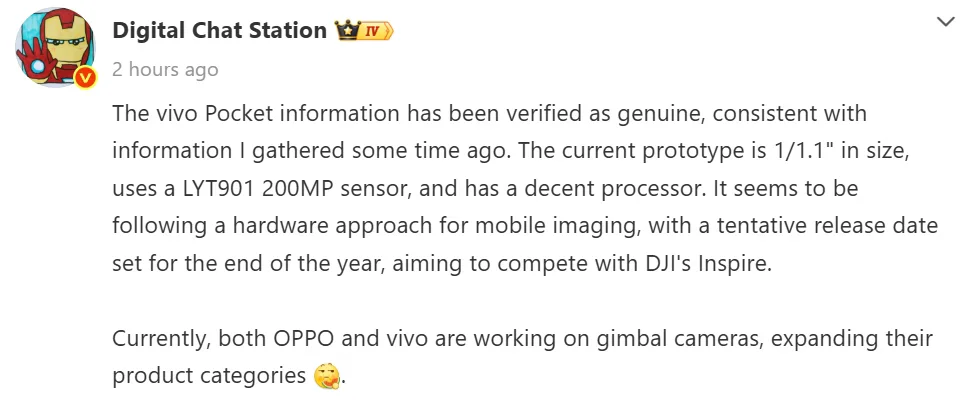
- Equipped with a large 1/1.1-inch Sony LYT-901 200MP sensor, aiming high in image quality.
- Processor and battery details remain unclear, raising questions about real-world performance.
- Oppo, Huawei, and Honor also entering the handheld gimbal camera segment, signaling a crowded market ahead.
Flagship Sensor Meets Mid-range Mystery
Vivo’s choice of a 1/1.1-inch Sony LYT-901 sensor sounds impressive on paper — reportedly a 200-megapixel unit more typical of flagship smartphones than compact cameras. This could give the Pocket a leg up in image quality compared to other compact vloggers.
The catch is simple: a large sensor alone doesn’t guarantee standout video or photo results, especially in a handheld gimbal form factor. We still don’t know what processor will drive the device, which is a critical component for real-time stabilization, 4K video encoding, and AI-based enhancements.
Delayed Launch Reflects Competitive Jitters
Initial plans pointed to a third-quarter launch, possibly alongside Vivo’s X500 phone series. Now, supply chain leaks indicate mass production in October and a commercial release toward the year’s end. The delay hints at Vivo recalibrating against rivals who are also prepping similar devices.
Oppo’s internal project “Fuyao” and upcoming cameras from Huawei and Honor suggest that the market for handheld gimbal cameras is heating up. Vivo reportedly expects to ship around one million units, a bold bet considering the niche appeal and stiff competition.
Battery and Performance: The Unknown Variables
Real-world battery life and performance matter more than sensor specs. With 5G connectivity and high-res video, power demands spike. Vivo has remained tight-lipped about battery capacity and charging speeds, which leaves the door open for disappointment.
Based on current info, the Pocket’s processor is unconfirmed — a red flag given that smooth stabilization and quick processing are non-negotiable for vlogging tools. Without clear hardware details, it’s hard to predict whether the Vivo Pocket will deliver consistent day-to-day performance.
Vivo Pocket vs. DJI and the Rest: A Crowded Ring
DJI dominates the compact gimbal camera market with proven tech and ecosystem support. Vivo’s entry is ambitious but faces an uphill battle. Oppo and Huawei’s upcoming gear further fragment the space, potentially pushing innovation but also confusing consumers.
Vivo’s experience recruitment in Shenzhen for users familiar with gimbals suggests the company is serious about building a credible product. However, the leap from smartphone maker to handheld camera specialist is significant — and not guaranteed to pay off.
GizmoIndo’s Take
The Vivo Pocket could shake up the compact vlogging camera market if it delivers on its sensor and imaging promises. But the lack of clarity on core components and the delayed launch raise red flags. Real-world performance—especially battery life and stabilization quality—will ultimately decide if Vivo can challenge DJI’s dominance.
Meanwhile, the flood of similar devices from Oppo, Huawei, and Honor signals a shift: smartphone makers are hedging bets by diversifying into peripherals as phone margins shrink. For creators, this could mean more options — but also more fragmentation and uncertainty about which ecosystem will stick.
(Via)