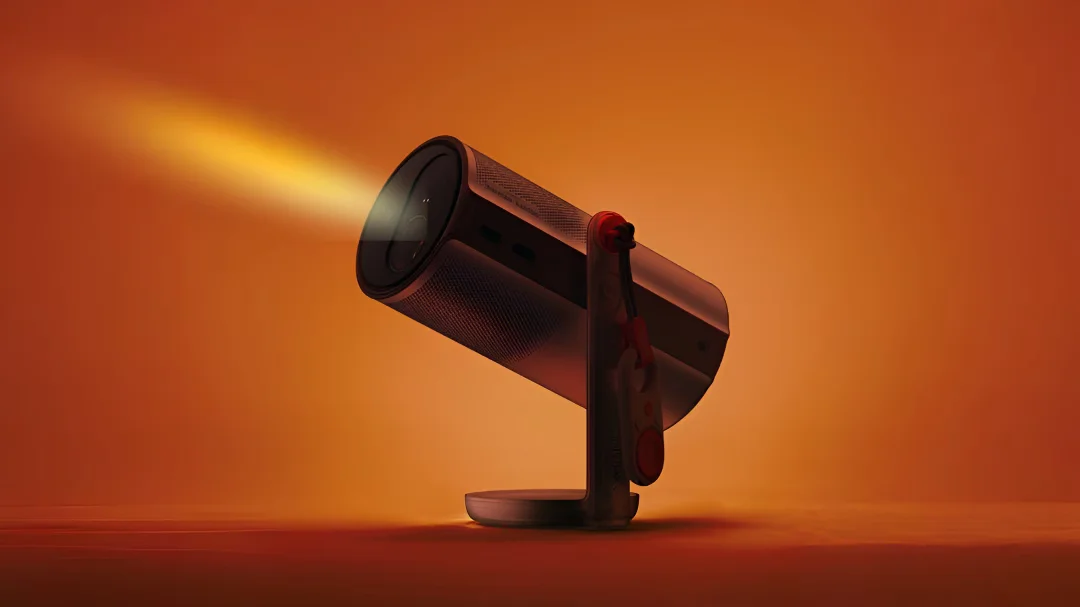
Budget projectors under $500 have improved, but the usual compromises remain: brightness, battery life, and design quirks. Here’s a quick look at five contenders for anyone shopping portable projectors in 2026.
- Aurzen EAZZE D1 Max: 1000 ANSI lumens, no battery, $350
- Dangbei Freedo: 450 ISO lumens, 2.5h battery, gimbal stand, $439
- Soundcore Nebula Mars 3 Air: 400 ANSI lumens, 2.5h battery, Google TV, $470
- Xgimi MoGo 4: 450 ISO lumens, gesture control, $599 (above budget)
- Soundcore Nebula Capsule 3 Laser: 300 ANSI lumens, laser light, 2.5h battery, $539
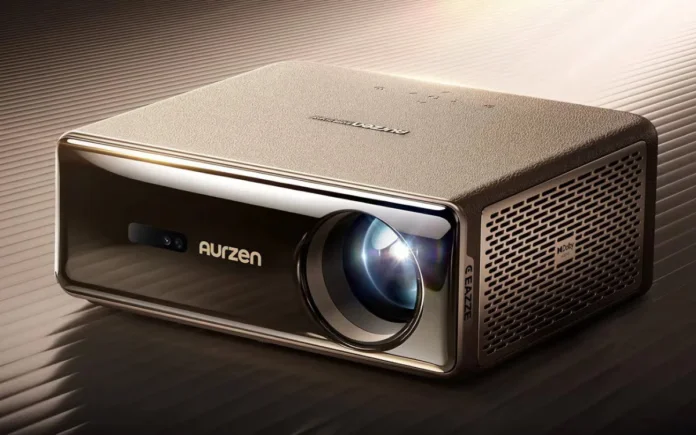
Bright but Tethered: Aurzen EAZZE D1 Max Holds the Lumens Crown
At 1000 ANSI lumens, the Aurzen EAZZE D1 Max easily outshines typical budget projectors. That’s a big deal if you’re watching in a room that isn’t pitch black. Unfortunately, the catch is simple: it has no built-in battery. You’re stuck with a power cord, which limits portability.
The D1 Max offers native 1080p resolution and HDR10 support, plus MEMC motion smoothing. On paper, that sounds great for sports and gaming, but it’s unclear how well the motion feature performs in real-world use. The built-in dual 10W Dolby Audio speakers are decent for background sound, but audiophiles will want an external speaker.
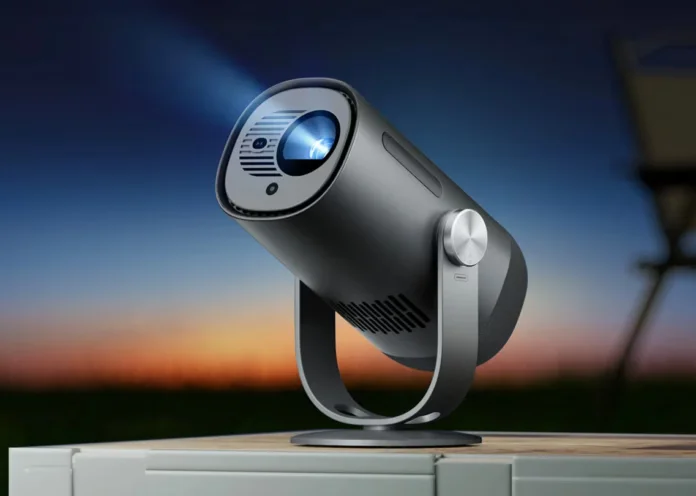
Dangbei Freedo: Gimbal Stand and Portability in One Package
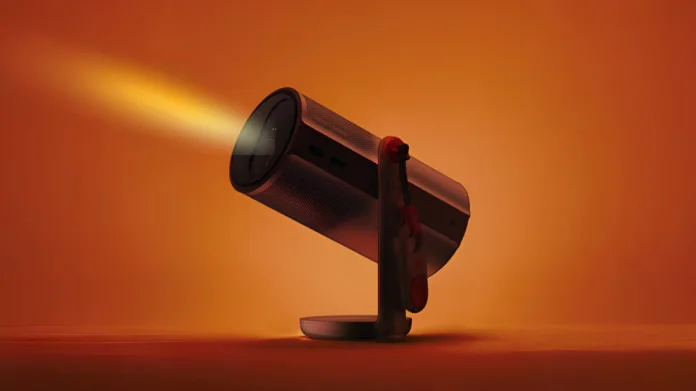
Dangbei’s Freedo tries to solve the awkward tripod setup with a built-in gimbal stand that tilts up to 135 degrees. That’s actually a smart design move for quick setup on uneven surfaces or projecting onto ceilings. Auto-focus and keystone correction work fast to keep the image sharp.
Its brightness is standard at 450 ISO lumens, which means you’ll still want a dim environment. The 60Wh battery promises about two and a half hours of playback — decent but not exceptional. Charging via 65W USB-C is practical, letting you share chargers with other devices.
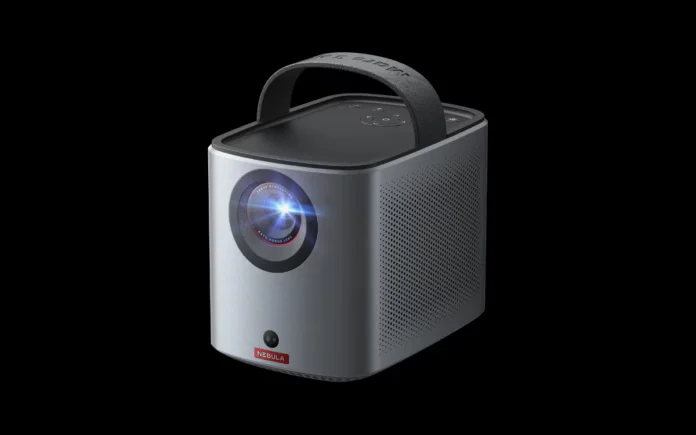
Soundcore Nebula Mars 3 Air: Convenience over Brute Brightness
Anker’s Mars 3 Air doesn’t break any brightness records at 400 ANSI lumens, but it nails ease of use. Environment adaptation technology ensures autofocus and screen fit in around three seconds. It’s a plug-and-play box for casual viewing, with Google TV and licensed Netflix built-in.
The dual 8W speakers do double duty as a Bluetooth speaker, which is a nice touch if you want to use it beyond movies. Battery life matches the Freedo at about two and a half hours — enough for a movie but not a marathon binge.
Xgimi MoGo 4: When Style and Extras Justify the Price
The MoGo 4 is above the $500 mark, but its compact size and extra features might sway some buyers. It offers 450 ISO lumens and dual 6W Harman Kardon speakers for balanced sound. The Magnetic Creative Filter system lets you add ambient lighting effects — a gimmick, but a neat one.
Gesture controls are also a standout feature, letting you wave your hand to change content or lighting modes. That’s a fun twist but probably not a deal-maker for most. If you want a projector that blends into your room’s decor, this is an option — just don’t expect it to be a powerhouse.

Soundcore Nebula Capsule 3 Laser: Laser Tech in a Soda Can
Weighing just two pounds, the Capsule 3 Laser is designed for ultra-portability. Its laser light source provides better contrast and perceived clarity than similar 300 ANSI lumen LED projectors, which helps compensate for the lower brightness.
Running Android TV 11.0 and packing a 52Wh battery, it delivers about two and a half hours of use. For travelers or those with limited space, this is a solid pick. Just don’t expect a bright image in anything but a dark room.
GizmoIndo’s Take
At this price range, there’s no perfect portable projector — you pick your poison. Want brightness? The Aurzen EAZZE D1 Max is the brightest but tethered to a wall. Need portability? Dangbei Freedo and Soundcore’s offerings provide batteries but only a couple of hours of runtime.
Design enthusiasts might consider the pricier Xgimi MoGo 4, but its extras come at a premium. The laser-powered Capsule 3 Laser is a niche choice for travelers, trading brightness for contrast and size.
Ultimately, if you want the best all-around experience under $500, expect compromises in brightness, battery life, or features. Real-world usage, especially with 5G streaming or brighter environments, will likely expose these limits quickly.
(Via)