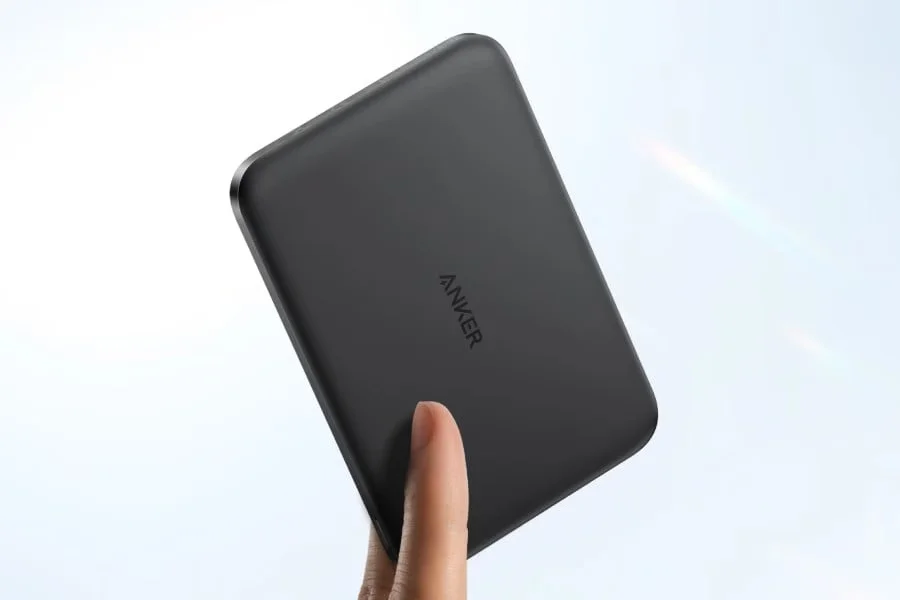
MagSafe power banks still can’t all deliver on the promise of fast wireless charging. Even in 2026, many models cling to outdated 7.5W speeds, while only a handful push true 15W+ Qi2 charging or beyond. Here is why this matters: if you want your iPhone to actually top up quickly on the go, not all magnetic power banks are made equal.
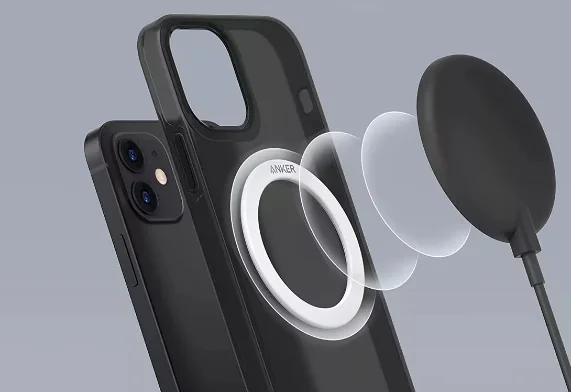
MagSafe Is More Than Just Magnets — Qi2 Is the Real Charging Standard
Apple’s MagSafe system has been a neat way to snap accessories on your iPhone since the 12 series. But it’s Qi2—the Wireless Power Consortium’s open standard built on MagSafe tech—that defines how fast and reliably you’ll charge wirelessly in 2026.
Qi2 guarantees 15W charging and magnetic alignment, unlike old wireless chargers stuck at 7.5W. The latest Qi2.2 spec even pushes speeds to 25W, a milestone only one brand has hit so far.
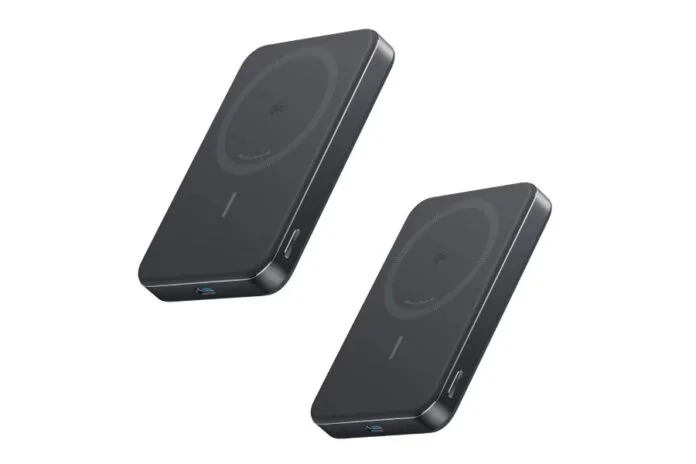
Not All MagSafe Power Banks Are Equal — Anker’s MagGo Is Safe and Practical
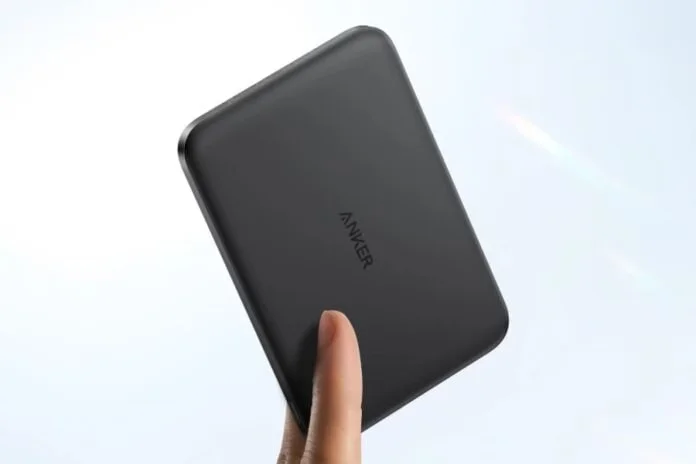
Anker’s MagGo line sticks close to what works: solid 15W Qi2 charging, slim form factors, and safety features that actually matter. The 10K Slim model boasts a 10,000mAh battery and 27W USB-C fast input, letting it recharge itself quickly while topping up your iPhone 15.
ActiveShield temperature monitoring is a standout. It keeps temps under 104°F, far cooler than the industry norm of 118.4°F. Plus, a smart display and a built-in kickstand add real utility, not just gimmicks.
The smaller Anker Nano Power Bank is even more pocketable, with a metal frame and skin-friendly back that’s 0.34″ thick. It handles 15W wireless and 20W wired charging, making it a no-nonsense companion for lighter loads.
Belkin’s BoostCharge Pro: Premium Build Meets Apple’s Seal of Approval
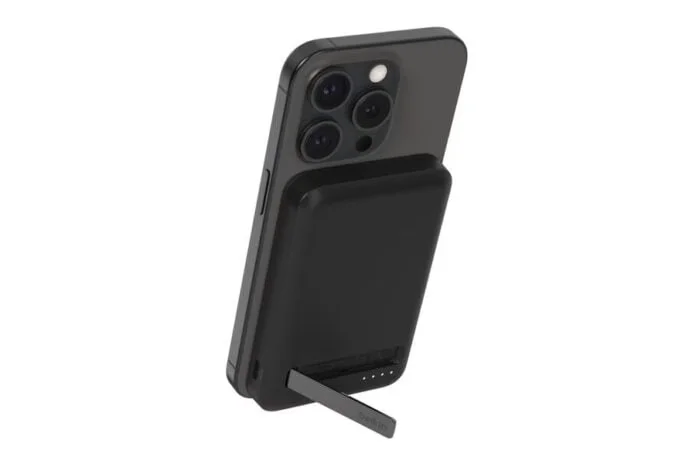
Belkin’s BoostCharge Pro is the rare MagSafe power bank with official Apple MFi certification and a $2,500 Connected Equipment Warranty. That means if your device fries while charging properly on this bank, Belkin covers it.
The 10,000mAh model offers up to 35 hours of extra smartphone battery life and includes a foldable kickstand for multitasking or FaceTime. It’s also light at 5.3 ounces and comes in several colors—if looks and peace of mind matter to you.
Independent tests show the BoostCharge Pro 5K model outperforms competitors in fast recharge rates on the iPhone 16 Pro. That warranty and build quality justify a premium price tag.
Ugreen MagFlow: The First 25W Qi2.2 Power Bank, But at a Cost
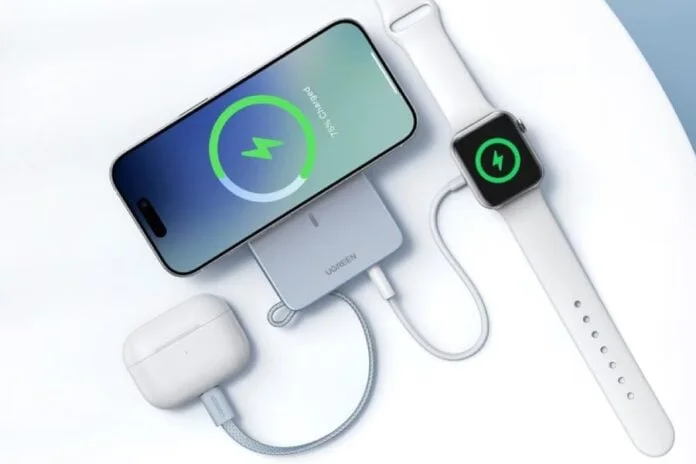
Ugreen is no household name, yet it earned its place by pushing the envelope: the MagFlow is the world’s first Qi2.2-certified power bank, delivering wireless charging speeds up to 25W.
This means it can charge an iPhone from 20% to 80% twice on a single 10,000mAh capacity. It also packs 30W USB-C fast charging with two ports—including a built-in USB-C cable that doubles as a carrying strap.
The catch is price: at around $90, it’s about 20% more expensive than most rivals. But if you want bleeding-edge wireless speeds and versatile wired options, it’s tough to beat.
Head-to-Head: What to Choose?
- Anker MagGo 10K Slim — Best all-rounder for safety and solid 15W Qi2 charging.
- Belkin BoostCharge Pro — Premium build, Apple certification, and unmatched warranty coverage.
- Ugreen MagFlow — The fastest wireless charging at 25W but with a hefty price tag.
GizmoIndo’s Take
MagSafe power banks have come a long way since their clunky origins. But the market remains fragmented: many cheap models still deliver only slow 7.5W charging, which defeats the purpose of a portable power boost.
Our analysis suggests buyers should focus on Qi2 or Qi2.2 certification to ensure real speed gains. Anker’s MagGo strikes a good balance of safety, price, and features, making it the practical choice for most users.
Belkin’s BoostCharge Pro is for those who want Apple-approved reliability and are willing to pay for peace of mind. Ugreen’s MagFlow pushes wireless charging speeds into new territory but expect to pay a premium for bleeding-edge tech.
Don’t fall for magnetic power banks that look the part but lack the charging chops. In 2026, if you want your iPhone topped up fast on the go, you need to demand real standards—no compromises.
(Via)