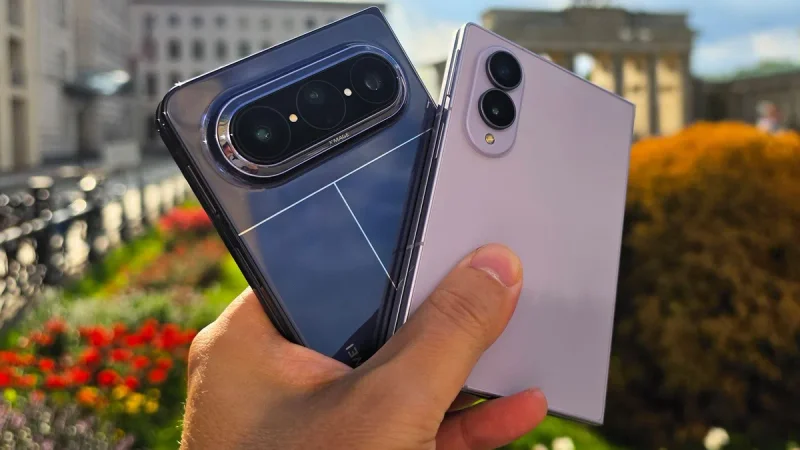
Xiaomi is currently shifting gears in its flagship strategy, moving beyond the experimental hardware of its recently launched foldable to focus on high-performance silicon for its core 18 series lineup. While the Xiaomi 18 Fold made headlines for its debut of the in-house Xring O3 chip and LPDDR6 memory, the wider 18 Pro and 18 Pro Max models are set to embrace a more conventional, albeit powerful, industry standard.
Following the September 7 debut of the foldable model, market attention has turned toward the standard Xiaomi 18, 18 Pro, and 18 Pro Max. Unlike the Fold, which leverages custom 3nm architecture, these upcoming flagship slabs are expected to utilize Qualcomm's Snapdragon 8 Elite Gen 6 platform. This decision suggests a clear segmentation in Xiaomi's product strategy, separating niche foldable innovation from the raw, high-clocked performance expected by traditional flagship users.
A Pivot to Snapdragon 8 Elite

The choice to integrate the Snapdragon 8 Elite Gen 6 platform across the 18 Pro and 18 Pro Max indicates that Xiaomi is prioritizing established performance optimization over the experimental nature of its proprietary Xring O3 silicon. For power users, this move likely signals a focus on thermal management and app compatibility, leveraging Qualcomm's mature ecosystem. The upcoming release is timed to coincide with the Snapdragon Summit, scheduled for September 22 to 24, where these devices are expected to be officially unveiled to the global market.
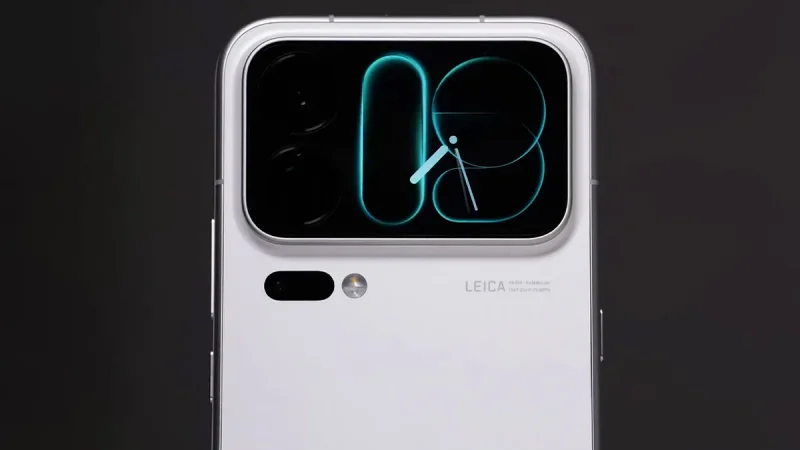
While the Fold model pushed the envelope with its 200MP Leica main camera and a 10.68mm thin profile, the 18 Pro series is rumored to emphasize raw compute capability and sustained performance. The transition to the Snapdragon 8 Elite platform suggests that Xiaomi aims to compete directly with other top-tier Android manufacturers who are standardizing on Qualcomm's latest 3nm architecture.
What This Means for the Flagship User

For those currently weighing their next upgrade, the divergence between the Fold and the rest of the 18 series is significant. The Fold represents a leap into vertical integration, specifically with the inclusion of the industry-first LPDDR6 memory standard. However, the 18 Pro series targets the demographic that prefers a refined, traditional form factor backed by a proven chipset.
Global pricing and regional availability have not yet been announced. Given the hardware specifications typical of the Pro and Max tiers, consumers should expect a premium entry point, likely positioned to compete against current high-end flagships in the $900 to $1,200 range. As the September 22 debut approaches, the market will gain clarity on whether Xiaomi can maintain its aggressive camera-centric marketing - specifically the Leica partnership - while transitioning to the newer Qualcomm silicon.