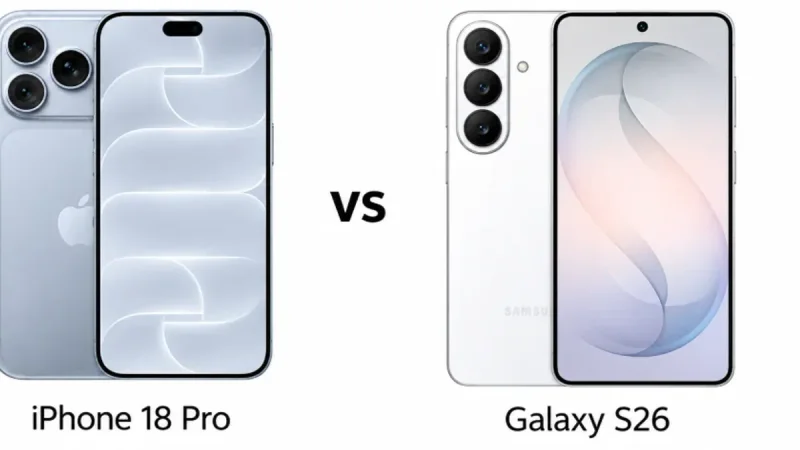
Smartphone pricing has been on an upward trajectory for years, but the of flagship devices may face an unprecedented cost hurdle. As the industry transitions to advanced 2nm manufacturing processes, the silicon powering our handheld devices is becoming significantly more expensive to produce. According to recent supply chain reports, the cost of top-tier mobile processors is poised to break the $200 barrier for the first time, putting immense pressure on manufacturers like Apple, Samsung, and their competitors.
At the center of this shift is the upcoming MediaTek Dimensity 9600 Pro. Industry insiders suggest this chip could retail for as much as $220 per unit. While MediaTek does not publicly disclose wholesale pricing, this jump represents a clear move away from the $180 to $200 range previously occupied by the Dimensity 9500. While these new chips may offer only modest gains in raw performance, they are expected to deliver critical efficiency improvements, which are essential for managing the thermal and power demands of modern, AI-heavy mobile workloads.

The Rising Cost of Premium Silicon
The price hike is not exclusive to MediaTek. In fact, industry analysis suggests that the Dimensity 9600 Pro may actually be the most affordable option in the 2nm landscape. Reports indicate that Qualcomm’s Snapdragon 8 Elite Gen 6 Pro could command between $240 and $260 per unit. Similarly, Apple’s A20 Pro is projected to fall into the $260 price bracket. When the most vital component of a smartphone sees a double-digit percentage increase in cost, the math for smartphone OEMs becomes increasingly difficult to balance.
For the average consumer, these costs represent a dilemma. Brands are forced to choose between absorbing the added expense, which eats into their profit margins, or passing the cost directly to the end user. Given the current economic climate and the rising costs of other components like high-resolution OLED panels and complex camera sensor arrays, it is likely that the premium smartphone market will see a shift toward even higher retail prices in the coming release cycles.

Beyond the Price Tag: What Efficiency Means for You
It is important to consider what this investment actually buys. While the jump in price might seem steep, the move to 2nm architecture is not just about bragging rights in benchmark tests. As software becomes more demanding, particularly with the integration of on-device generative AI, power efficiency becomes the most important metric for a daily driver. A chip that can handle intensive tasks without triggering aggressive thermal throttling ensures that your phone remains responsive throughout the day.
Ultimately, the industry is entering a phase where the 'flagship' experience is becoming harder to subsidize. As we look toward the of devices, consumers should prepare for the possibility that flagship pricing will continue to creep upward, driven by the sheer engineering complexity required to shrink transistors while keeping our devices cool and reliable.