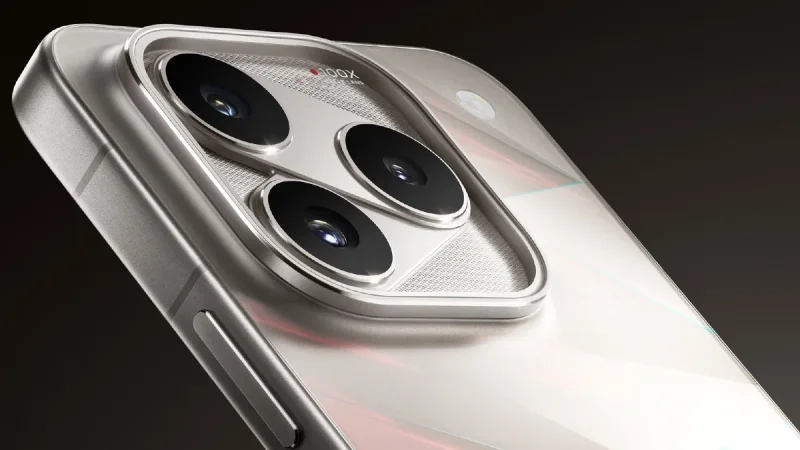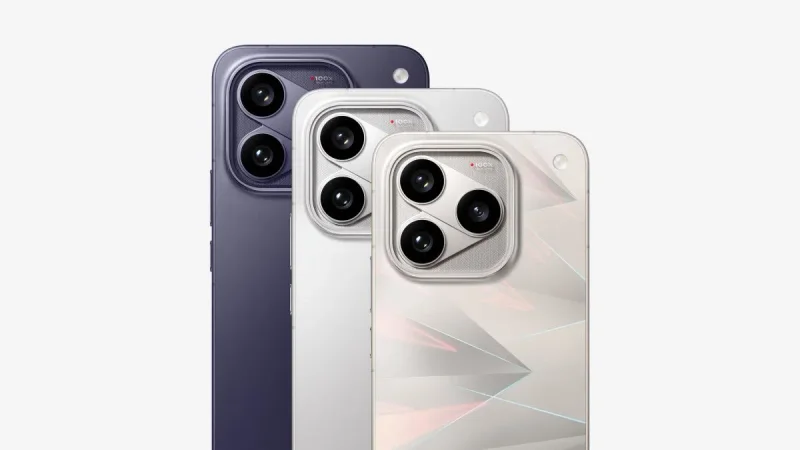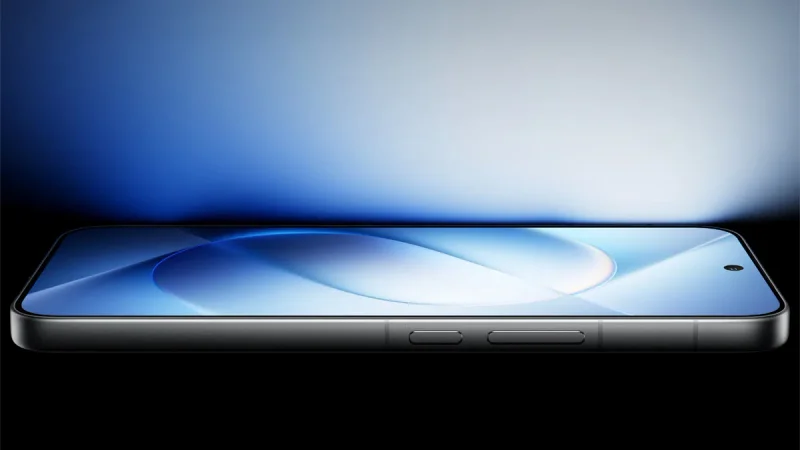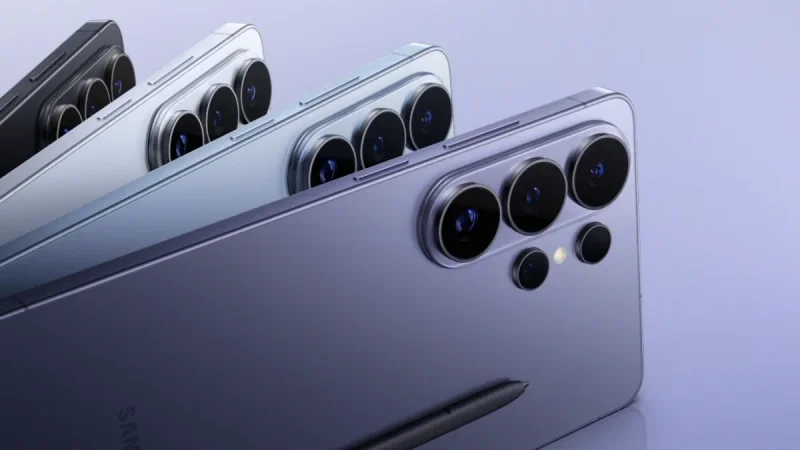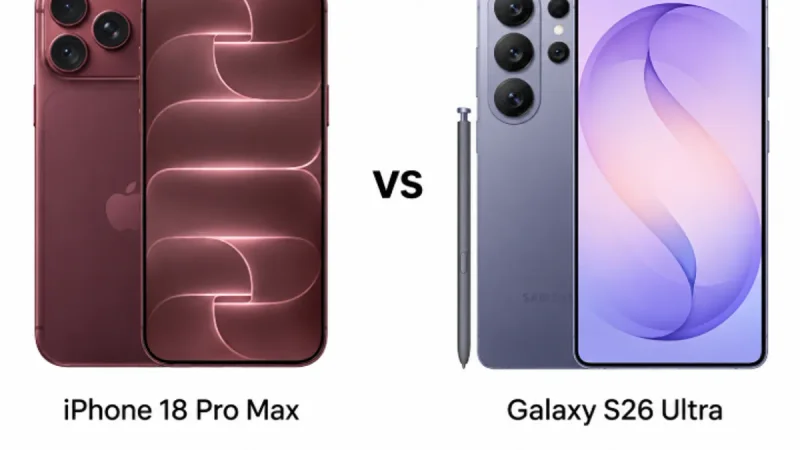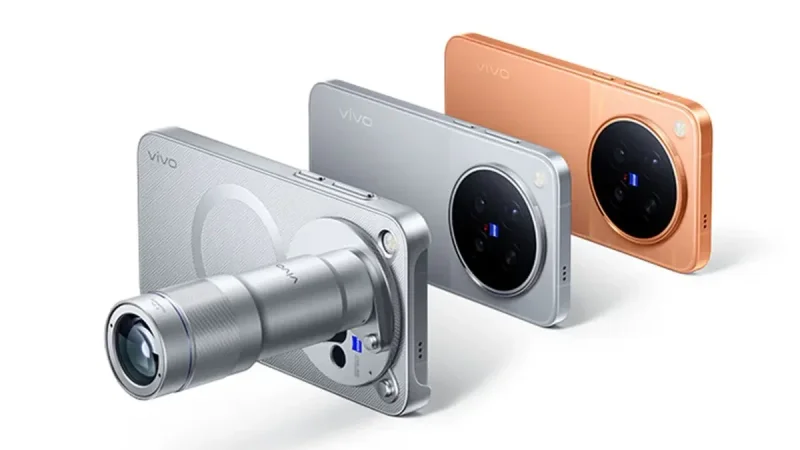
Smartphone buyers evaluating top-tier displays usually assume buying a flagship directly from Samsung guarantees the absolute best panel performance on the market. However, recent hands-on visual comparisons reveal an ironic twist. The upcoming iQOO 16 will feature Samsung Display's latest M16 OLED panel, yielding exceptional brightness, vivid color reproduction, and pristine wide viewing angles. In contrast, Samsung Mobile's own Galaxy S26 Ultra displays noticeable side-angle discoloration, sparked by a controversial hardware design choice.
Leaked side-by-side video footage highlights a severe visual gap between the clean M16 OLED panel fitted inside the iQOO 16 and the screen on the Galaxy S26 Ultra. While the iQOO 16 maintains consistent hue, contrast, and clarity across all viewing angles, the Galaxy S26 Ultra suffers from immediate off-axis color shifts. While global pricing and official regional release schedules for the iQOO 16 have not yet been announced, the display discrepancy has already sparked intense debate among hardware purists.
The Optical Layer Compromise Affecting Galaxy Flagships
The primary culprit behind this visual disparity is not the underlying organic light-emitting material, but rather Samsung Mobile's integrated Privacy Display hardware. Designed to prevent onlookers from snooping on sensitive screen content in public settings, this system utilizes micro-optical structures embedded directly within the physical screen stack.
According to prominent industry insider Ice Universe, these hardware micro-structures cause unavoidable side effects even when the privacy function is toggled off in software settings. Tilting the Galaxy S26 Ultra just a few degrees off-center results in visible luminance decay, altered white balances, and collapsed skin tones. Because the optical barrier is physically built into the display assembly, software optimizations cannot remove these light refraction properties during normal everyday use.
Pure M16 OLED Substrates Offer Clean Visual Performance
By comparison, the iQOO 16 implements Samsung Display's M16 OLED material set in its pure, uninhibited form. Without an integrated optical privacy layer obstructing light path trajectories, the M16 panel achieves higher perceived transparency, richer color gamut coverage, and superior off-angle fidelity.
The M16 panel upgrade provides higher energy efficiency alongside elevated peak brightness capabilities compared to previous M14 panels. Mobile gamers and media enthusiasts who frequently view their devices from relaxed angles or shared desk positions will notice cleaner whites and accurate skin tone representation on the iQOO 16, whereas filtered displays force users to look straight on for color accuracy.
Future Outlook for the Galaxy S27 Ultra
Early reports suggest that Samsung Mobile plans to transition to the newer M16 OLED substrate for its upcoming Galaxy S27 Pro and Galaxy S27 Ultra lineup. However, rumors indicate that the brand will continue to include its hardware-based Privacy Display optical layers.
If Samsung retains this physical filter architecture on future Galaxy flagships, users may continue to experience compromised side viewing angles despite upgrading to the newer M16 organic materials. For consumers prioritizing uncompromised visual fidelity over built-in privacy filtering, third-party flagships like the iQOO 16 present a compelling display alternative that puts pure optical performance first.