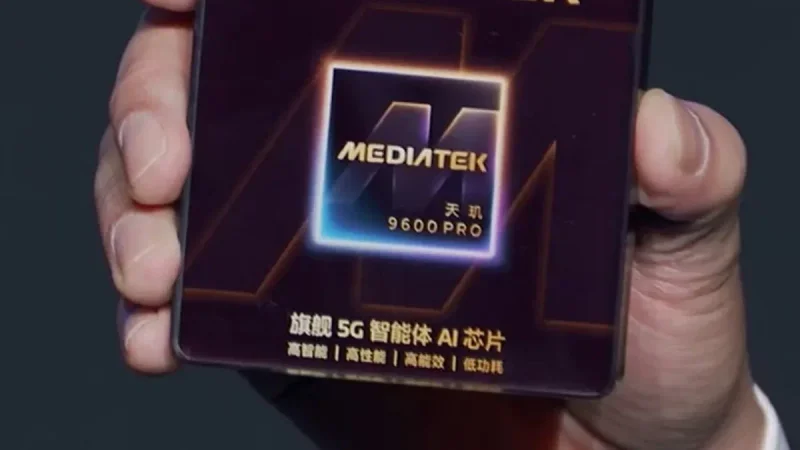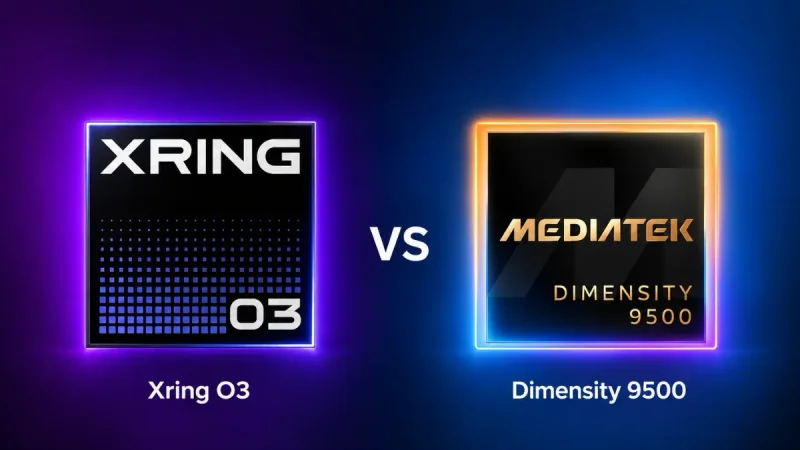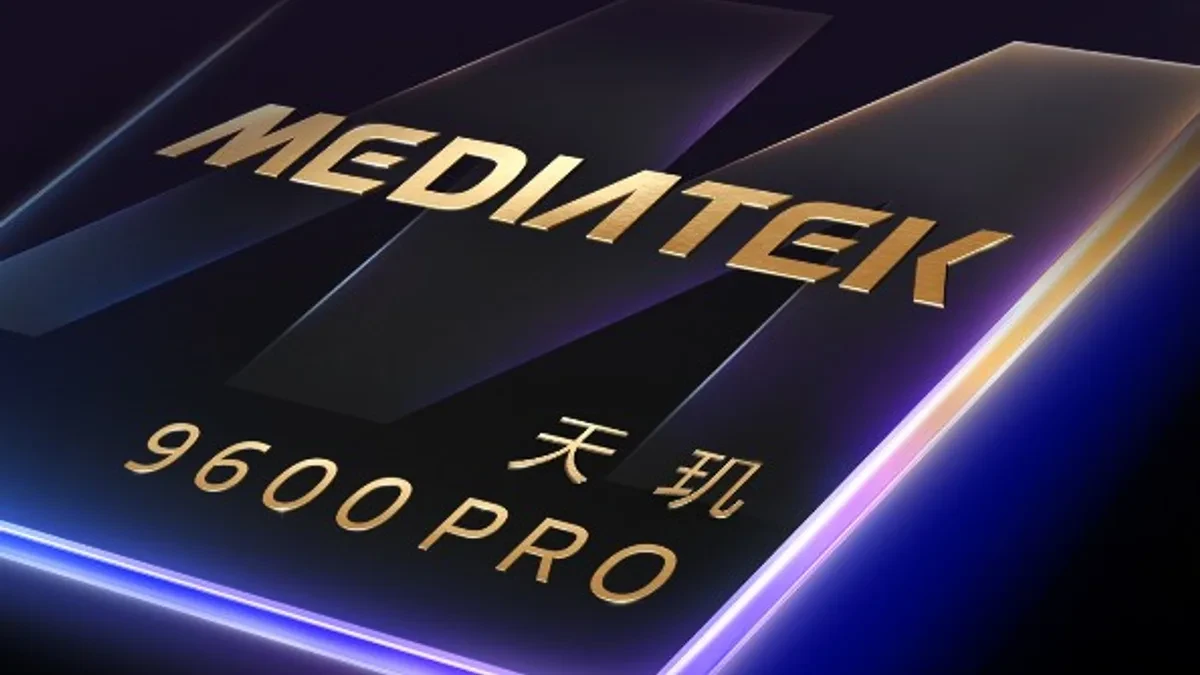
MediaTek has officially detailed the performance profile of its latest flagship silicon, the Dimensity 9600 Pro. Benchmarked on an internal reference prototype unit by tech lab Xiaobai's Tech Reviews ahead of its commercial debut in the Oppo Find X10 series, the processor reveals a clear shift in mobile silicon strategy. Rather than chasing unsustainable peak clock speeds, MediaTek is doubling down on thermal efficiency and sustained battery endurance.
Built on TSMC's advanced N2 process node, the Dimensity 9600 Pro delivers a modest 19 percent jump in CPU performance over last year's Dimensity 9500 while slashing power consumption by up to 40 percent on a performance-per-watt basis. For mobile power users, this engineering trade-off promises cooler gaming sessions, reduced thermal throttling under heavy workloads, and noticeably longer runtime from standard battery capacities.
CPU Benchmarks Highlight Modest Incremental Upgrades
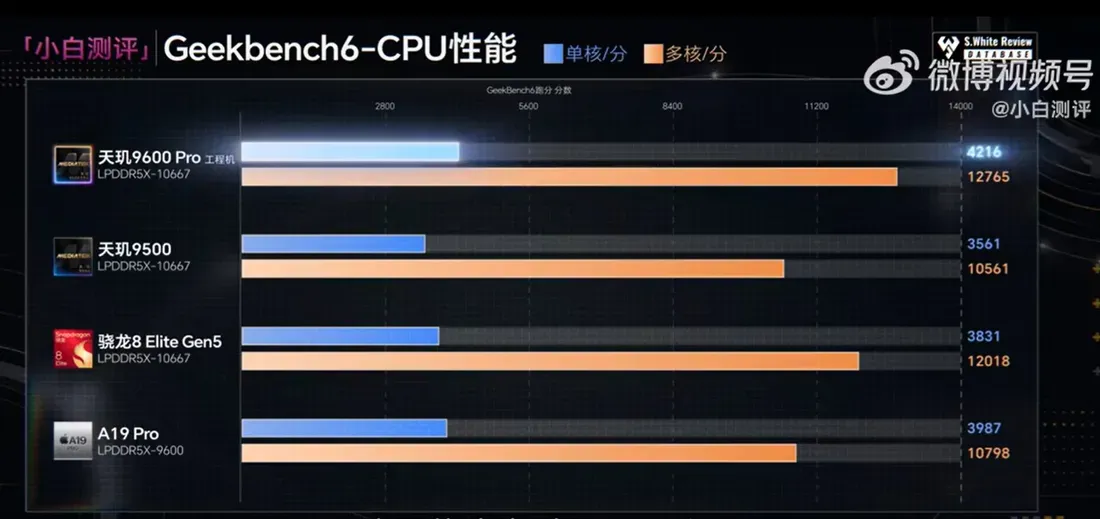
In standard processing benchmarks, the Dimensity 9600 Pro logged single-core scores of 4,216 and multi-core scores of 12,765 on Geekbench 6. These figures confirm a predictable 19 percent uplift compared to the outgoing Dimensity 9500. While the generational speed boost may seem conservative alongside aggressive competitor claims, it reflects a pragmatic choice to maintain high processing speeds without generating excess heat.

By leveraging TSMC's 2nm-class process technology alongside Apple's elite smartphone processors, MediaTek ensures that the Dimensity 9600 Pro handles dense daily workloads, heavy computational photography tasks, and background multi-tasking without forcing devices into aggressive CPU frequency scaling or sudden power drain spikes.
TSMC N2 Node Unlocks Significant Efficiency Gains
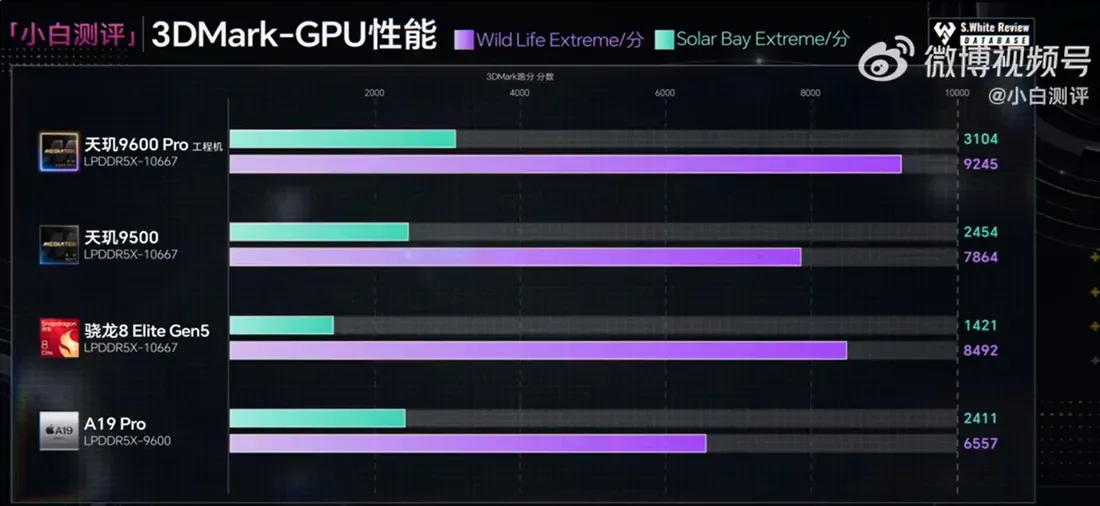
The true highlight of MediaTek's new silicon architecture lies in power optimization. The Dimensity 9600 Pro achieves up to a 40 percent improvement in energy efficiency when delivering equivalent CPU output to its predecessor. This jump addresses one of the primary pain points of modern high-end smartphones: short battery longevity under sustained use.
Rather than pushing higher voltage profiles to chase synthetic benchmark victories, the chipset operates at peak capability with significantly lower power consumption. In real-world conditions, this shift means that thin flagships can maintain peak performance for extended periods without melting through their battery reserves in half a day.
Graphics and Ray Tracing Benchmark Results
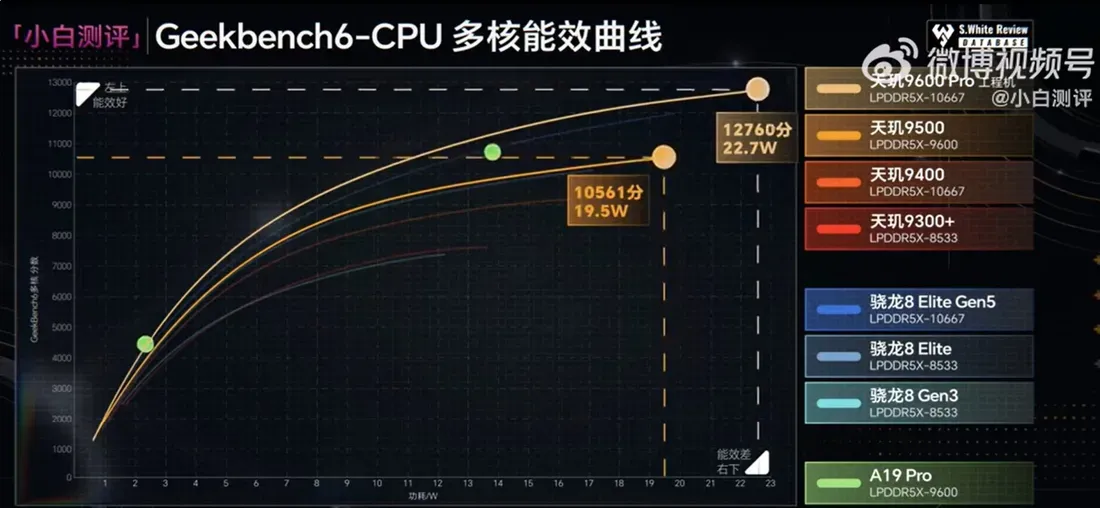
On the graphics front, the integrated Mali-G2 Ultra NX GPU posted 9,245 points in 3DMark's WildLife Extreme test and 3,104 points in the ray-tracing Solar Bay Extreme benchmark. These results represent roughly a 15 percent performance increase over the graphics processing unit inside the Dimensity 9500, ensuring high frame rates across modern mobile titles.

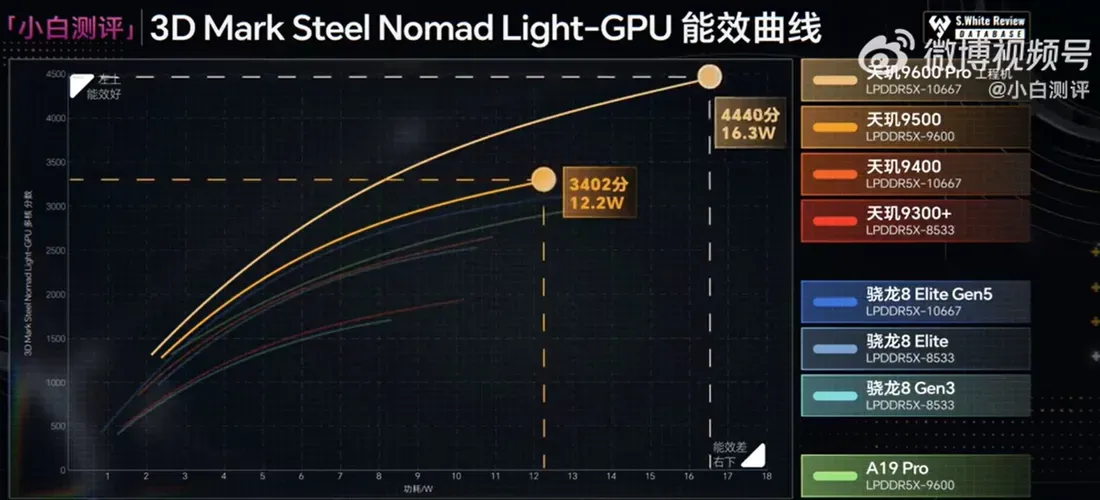
While running at maximum load requires similar power draw to the previous generation, the GPU demonstrates its strength at mid-range workloads, offering up to 50 percent greater power efficiency when running games at matched frame rates. Mobile gamers can expect stable frame pacing during extended gameplay without experiencing uncomfortable chassis heating.
Commercial Availability and Ecosystem Adoption
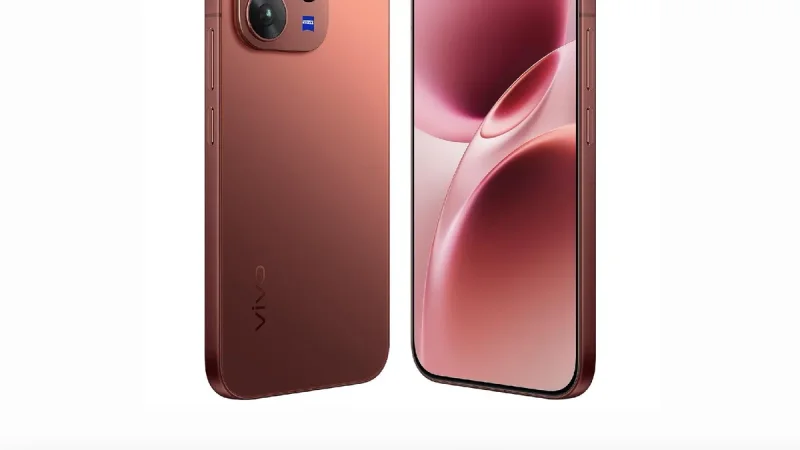
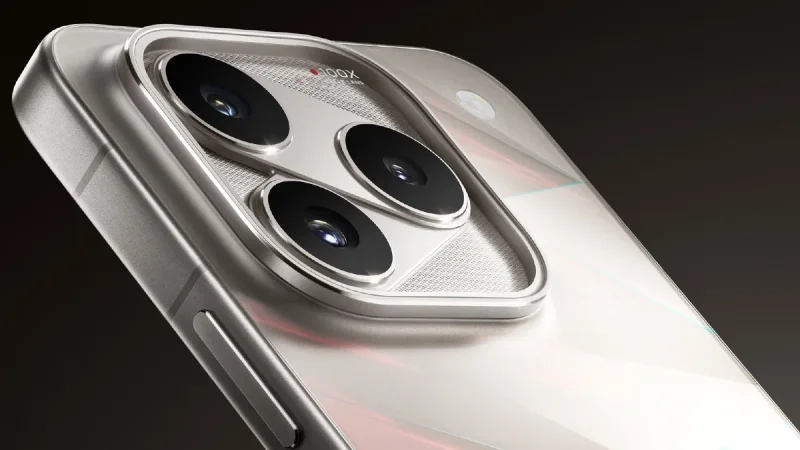
The MediaTek Dimensity 9600 Pro will make its commercial debut in the China market inside the upcoming Oppo Find X10 flagship lineup. Additional premium smartphones featuring the chipset are anticipated from major Android manufacturers including Vivo, Xiaomi, and Samsung across the upcoming product cycle.
While pricing for individual consumer devices varies by market and configuration, previous MediaTek flagship deployments indicate premium devices powered by this silicon will compete aggressively in the $800 to $1,100 price segment.