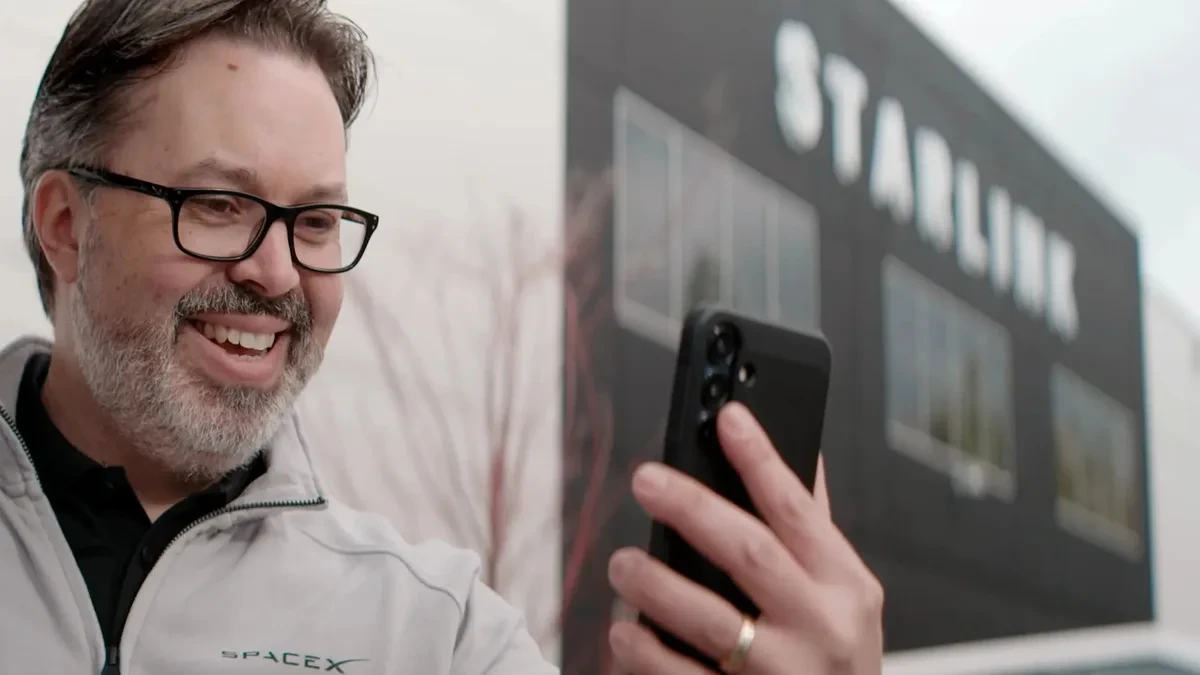
Space-based cellular coverage has captured the technology industry's imagination, yet major telecommunications operators are highlighting fundamental physical constraints. Speaking at Citi's 2026 Global TMT Conference, T-Mobile Chief Financial Officer Peter Osvaldik raised key technical considerations regarding SpaceX's ambitions for Starlink Mobile, emphasizing that while direct-to-cell satellite coverage provides vital dead-zone connectivity, radio physics prevents satellite signals from replacing traditional ground-based mobile towers for routine broadband usage.
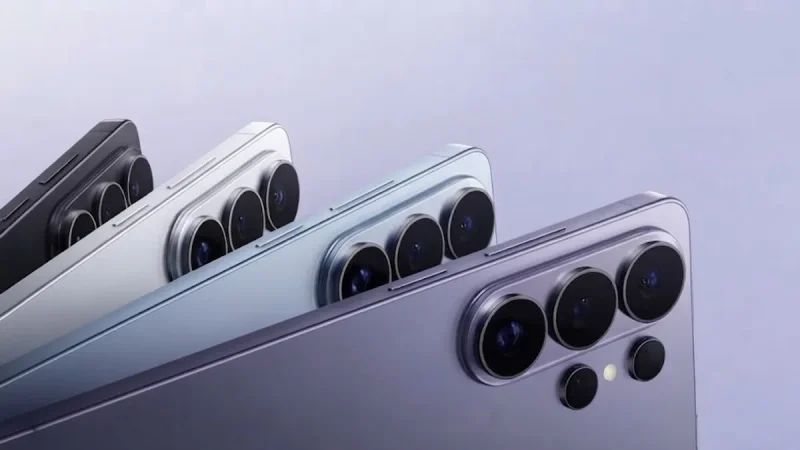
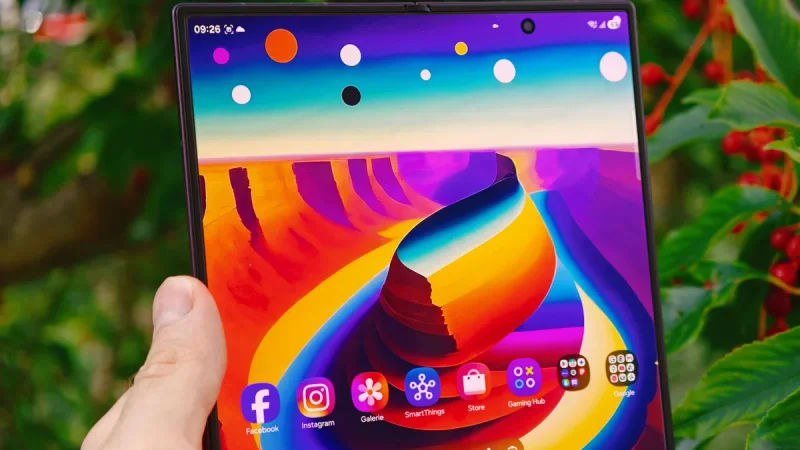
As smartphone manufacturers integrate satellite connectivity into flagship devices like the Samsung Galaxy S26 Ultra, understanding the distinct operational boundaries between low-Earth orbit satellites and terrestrial towers is essential. Satellite coverage offers unprecedented safety nets for remote locations, but everyday mobile data transmission relies on dense ground infrastructure engineered to bypass obstacles ranging from thick concrete buildings to specialized vehicular glass.
Understanding the Physics Behind Satellite Direct-to-Cell
At the heart of the technical debate is basic radio frequency propagation and orbital mechanics. Low Earth Orbit (LEO) satellites travel overhead at velocities exceeding 17,000 miles per hour at altitudes of several hundred kilometers. This extreme relative motion introduces significant Doppler shift, requiring precise dynamic signal management at both the ground receiving hardware and satellite transceivers.

Furthermore, satellite antennas operate under strict power budget restrictions compared to base station towers. Ground-based cell towers transmit high-wattage signals over relatively short distances (typically 1 to 5 miles) directly to smartphones. In contrast, a satellite signal must traverse hundreds of miles of atmosphere before reaching a device. Practical demonstrations have shown that even everyday barriers, such as the infrared and thermal coatings present on modern vehicular glass like a Tesla Model Y windshield, cause noticeable RF attenuation that impacts high-bandwidth data transmission.
The Four Strategic Paths for Space-Based Cellular Connectivity
Industry analysts note that SpaceX has explored multiple commercial strategies to deliver mobile connectivity directly to consumers. The primary active model relies on Direct-to-Cell (DtC) technology, operating under frameworks like the FCC's Supplemental Coverage from Space (SCS). Through partnerships with terrestrial carriers like T-Mobile, this implementation utilizes licensed carrier spectrum to broadcast text messages, basic telemetry, and emergency alerts directly to un-modified commercial smartphones in cellular dead zones.
Alternative business models face distinct commercial and regulatory hurdles. Operating as a Mobile Virtual Network Operator (MVNO) requires leasing network capacity from existing wireless carriers—an approach major national operators currently decline due to spectrum management and network priority concerns. Meanwhile, constructing an independent ground-and-space network using acquired spectrum demands enormous capital investments in municipal tower permits, backhaul fiber, and regional power infrastructure, replicating the very network footprint established carriers built over decades.
Complementary Technology Rather Than Carrier Replacement
Far from rendering terrestrial cellular networks obsolete, satellite direct-to-cell service is evolving as an essential complementary safety net. Ground networks excel at providing dense gigabit-class capacity inside urban buildings, suburban corridors, and transit networks. Satellite links serve the opposite role, guaranteeing baseline connectivity across vast ocean stretches, national parks, and remote wilderness where building cell towers remains economically or environmentally unfeasible.
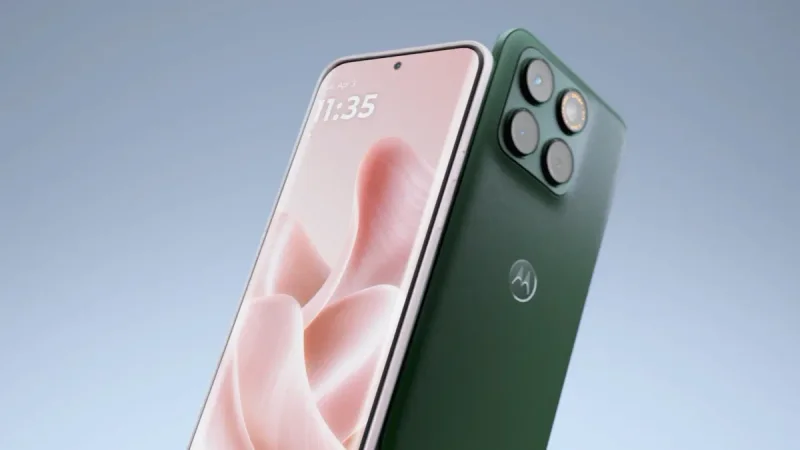
For end users, the integration of satellite coverage into standard mobile plans represents a massive step forward in personal safety. Devices capable of tuning into satellite frequencies can transmit emergency SOS location data and basic text messages during natural disasters or power grid outages. However, streaming high-definition video or maintaining low-latency mobile gaming connections will remain firmly anchored to ground-based 5G and future 6G terrestrial cell sites.
Future Industry Outlook and Technological Innovations
As satellite constellations expand and phase-array antenna technology improves, data throughput over space links will gradually increase. Future satellite iterations aim to support voice calling and modest data rates over the next several years. Nevertheless, telecommunications engineering principles confirm that satellite links will augment—rather than supplant—terrestrial wireless providers.
Telecommunications operators continue to invest tens of billions of dollars annually in small-cell deployments, mid-band 5G spectrum upgrades, and optical fiber backhaul. The synergy between high-density ground networks and global low-Earth orbit coverage ensures that mobile subscribers receive the best of both worlds: high-speed multi-gigabit performance in populated areas and persistent emergency connectivity across the globe.