Google has issued its September security update for a wide range of Pixel devices, but the rollout has raised significant questions regarding the company's update parity. While 21 devices ranging from the aging Pixel 6 to the recent Pixel 10a have received the latest security patch level of 2026-09-05, the flagship Pixel 11 series remains noticeably absent from this critical release. This discrepancy is particularly concerning given that the update addresses a high-severity modem vulnerability currently being exploited in targeted, real-world attacks.
The vulnerability, tracked as CVE-2026-58704, allows for unauthorized privilege escalation and sits among 110 total entries in the September bulletin, including 46 critical flaws. Despite the severity of these issues, Google has yet to clarify whether the Pixel 11 series is susceptible to this specific modem exploit or when those newer handsets will receive the corresponding security patch. As of today, the Pixel 11 remains stuck on a September 1 patch level, following two separate updates earlier this month that arrived without any accompanying documentation or technical changelogs.

Understanding the Security Patch Gap
For most users, the security patch level acts as a vital indicator of software health. By Google's own metrics, any device running a patch level earlier than September 5 is technically missing the latest defenses against the documented modem exploit. While the Pixel 6 through Pixel 10 series have successfully transitioned to the build CP3A.260905.009, which aligns with the Android 17 QPR1 release, the Pixel 11 owners are left in a state of uncertainty.
This is not the first time the Pixel 11 generation has faced scrutiny. Earlier controversies regarding the removal of specific hardware protections within the Tensor G6 chip have already fueled discussions about Google's commitment to security across its newest flagship lineup. The lack of clear communication regarding these security patches only deepens the frustration for users who invested in the latest hardware, expecting immediate and comprehensive support.
The End of the Line for Legacy Pixels
While the Pixel 11 faces early-life support questions, the situation is far more definitive for the Pixel 6 and 6 Pro. The September update marks one of the final major milestones for these 2021 devices. With support officially set to expire in October 2026, Google has confirmed that these models will not participate in the upcoming Android 17 QPR2 beta cycle.

For those still relying on a Pixel 6 or 6 Pro as their primary device, the current update is essentially a swan song. Users should ensure they install the latest patch immediately to secure their devices for the final weeks of official support, but it is now time to start evaluating replacement options.
How to Verify Your Security Status
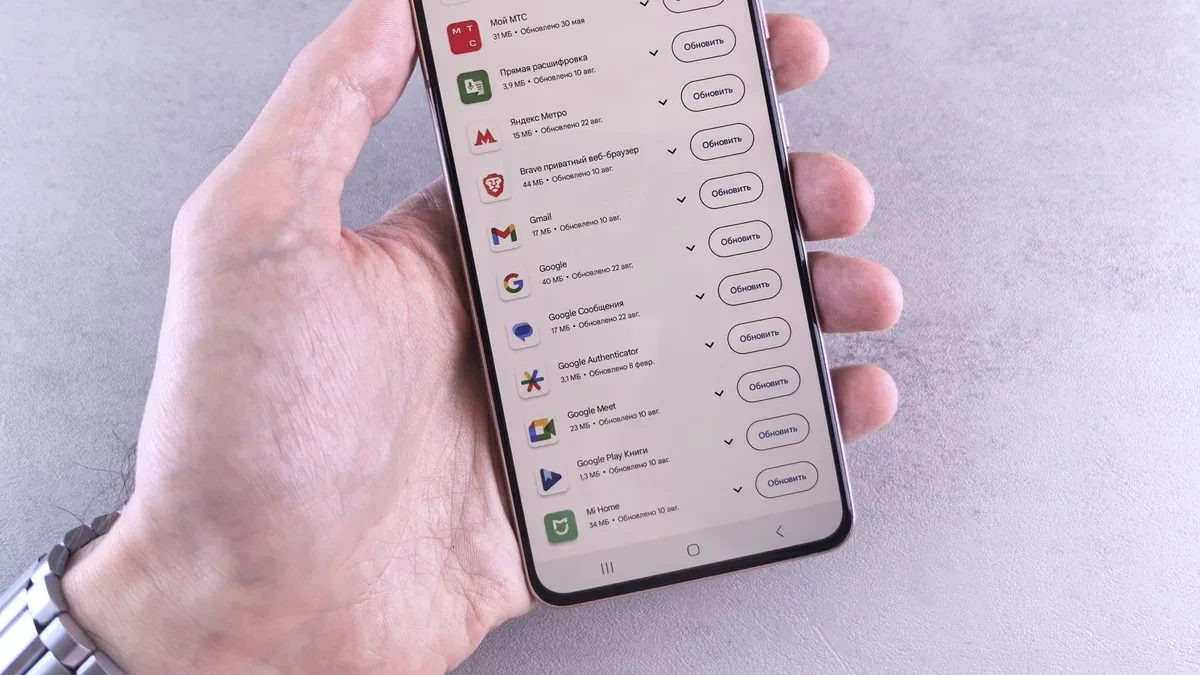
Google maintains that the September 5 patch level is the baseline for coverage against the current batch of discovered vulnerabilities. To verify your device status, navigate to Settings, select System, and check the Software Update section. If your device shows a date earlier than September 5, 2026, you are currently exposed to the vulnerabilities listed in the latest bulletin. While Pixel 6 through Pixel 10 users can trigger a manual check for updates to pull the latest build, Pixel 11 users currently have no further updates to fetch, leaving them to wait for a future response from Google.