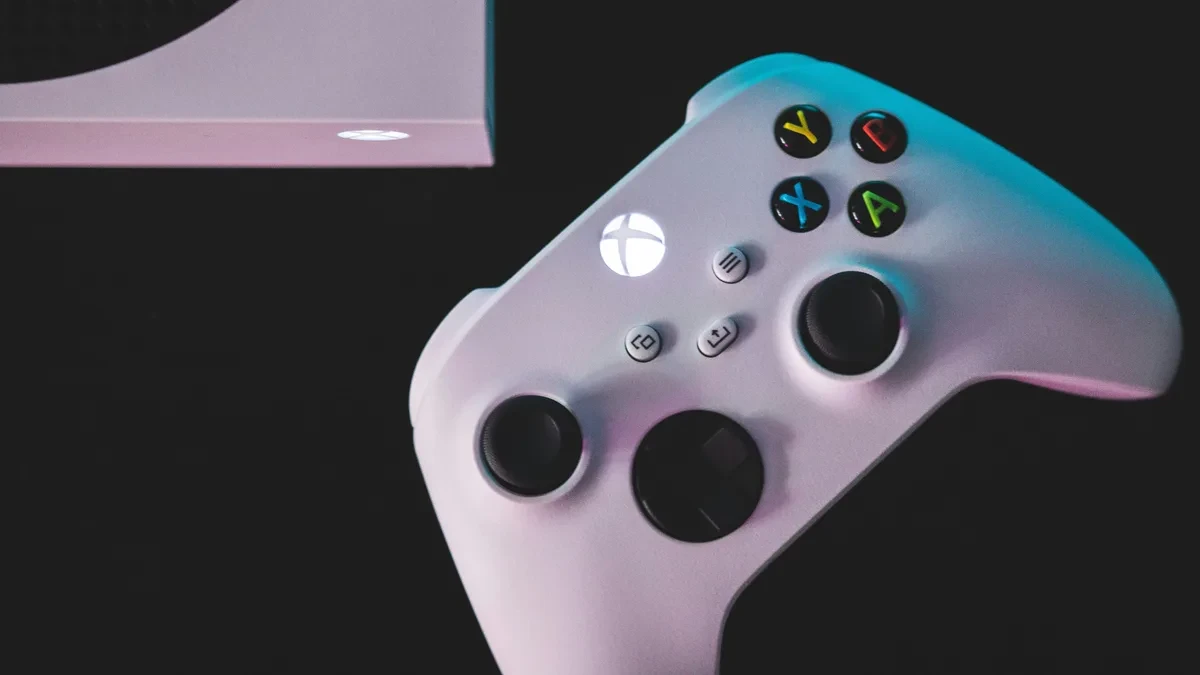
The console market is currently in a state of flux. While Sony faces criticism for its recent handling of physical media and software lineups, Microsoft finds itself in a unique position to pivot. With the next-generation Xbox Helix on the horizon, the industry is watching closely to see if Microsoft can leverage its recent strategic shifts to reclaim momentum. Recent discussions from industry analysts suggest that the hardware itself is only one piece of a much larger puzzle.
At the core of the upcoming Xbox Helix is the rumored AMD Magnus APU, a component that promises to deliver significant performance gains. However, raw teraflops have rarely been the sole deciding factor in a console's long-term success. To truly compete in an era where cross-platform play is becoming the standard, Microsoft must focus on the ecosystem, the software library, and a pricing strategy that makes the hardware an undeniable value proposition for the average gamer.
The Crucial Role of Exclusive Titles
Hardware is merely a vessel for the experiences it provides. Industry observers, including recent commentary from the Broken Silicon podcast, emphasize that Xbox needs a robust lineup of exclusives that cannot be found on PlayStation. The logic is simple: games move consoles. While Microsoft has historically leaned into its PC-first strategy, the requires a distinct identity.
This does not necessarily mean abandoning PC releases. Instead, the focus should be on ensuring that the Xbox Helix provides the definitive way to experience these games. If marquee titles like The Elder Scrolls VI run with superior optimization, stability, or exclusive features on the Helix, Microsoft can successfully position the console as a premium gaming destination that rivals high-end PC builds without the associated complexity and cost.
Pricing and the Value Equation
Beyond software, the success of the Xbox Helix will hinge on its entry price. In a market where consumers are increasingly budget-conscious, the ability to offer a high-performance machine at an accessible price point is the friction-killer. If Microsoft can nail the pricing, it could effectively lower the barrier to entry for users who are currently priced out of the enthusiast PC market.
Microsoft’s recent moves, such as the introduction of disc-to-digital conversion services and the strategic financing of high-profile projects like Hideo Kojima’s Physint, suggest a management team that is actively listening to community feedback. By prioritizing these user-centric services, Microsoft is signaling a shift toward a more flexible and consumer-friendly ecosystem. The challenge now lies in translating these policy wins into a hardware launch that feels like a necessary upgrade rather than a marginal improvement. Whether the Xbox Helix becomes a cultural phenomenon will depend on whether Microsoft can balance its technical ambitions with the practical needs of its player base.