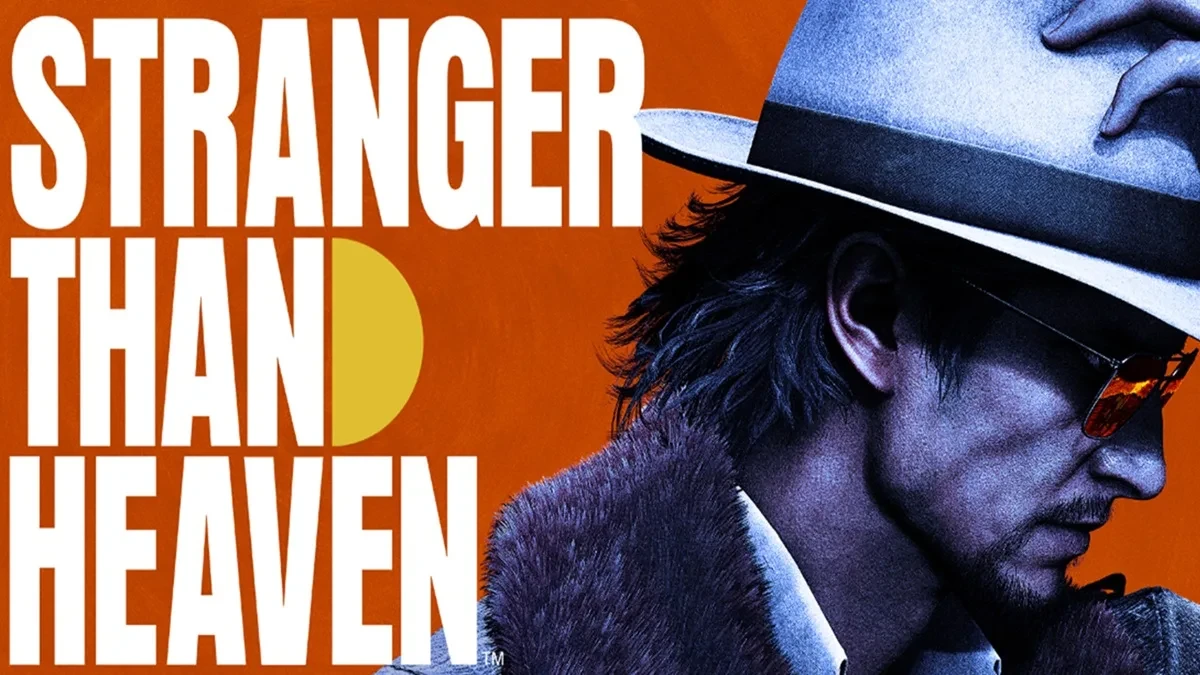
The Like a Dragon franchise has long been defined by its punchy, arcade-style brawling and eccentric humor. However, at the Tokyo Game Show 2026, Sega and Ryu Ga Gotoku Studio pulled back the curtain on a project that challenges every convention of the series. Stranger Than Heaven, a distant prequel to the main saga, swaps the familiar city streets of modern Kamurocho for a historical odyssey that spans five decades and five distinct Japanese cities, introducing a combat system that feels fundamentally different from anything the studio has attempted before.
Following the life of Makoto Daito, an outcast returning from San Francisco to early 20th-century Japan, the game aims to chronicle the rise of the Tojo Clan from its humble, shadowy origins. With a release date locked for January 15, 2027, for PlayStation 5, Xbox Series X/S, and PC, the title is positioning itself as a prestige project for the studio, complete with a star-studded voice cast including Yu Shirota, Dean Fujioka, and a surprise appearance by Snoop Dogg as the smuggler Orpheus.
A Radical Shift in Combat Mechanics
Perhaps the most jarring departure for long-time fans is the abandonment of the traditional brawler combat loop. Stranger Than Heaven opts for a slower, more tactical approach that requires players to manage Daito's left and right sides independently. This system forces a level of precision previously unseen in the studio's catalog, where every strike, block, and counter must be timed with intentionality. The weight of melee weapons is a central focus, ensuring that every swing carries the gravity of 1920s-era combat rather than the fluid, exaggerated combos of modern Yakuza protagonists.
Music as a Core Gameplay Pillar
Beyond the physical conflict, music serves as an unconventional mechanic that permeates the exploration and progression systems. Daito does not just navigate the world; he listens to it. Players can collect ambient sounds - the rhythmic sweep of a broom or the mechanical roar of a passing train - and collaborate with local composers to weave these noises into original tracks. This musical progression is tied to Daito's "side hustle" as a showman, where players must manage bookings, curate setlists, and handle the promotional logistics of live performances. It is a dense, simulation-heavy addition that grounds the game's historical setting in a tangible, creative economy.
A Historical Journey Through Five Eras
Structurally, the game is divided into five distinct chapters across the 20th century. The demo showcased at TGS focused on the first three: Kokura in 1915, Kure in 1929, and Minami in 1943. Each location is designed to reflect the socio-political pressures of its specific era, with side activities like arm wrestling, dice betting, and shooting galleries providing a diversion from the main narrative. The final two eras, Atami in 1951 and Shinjuku in 1965, remain shrouded in mystery, promising a transformation of the game world as post-war Japan modernizes. For those eager to jump in immediately, the game will be available on Xbox Game Pass on day one.