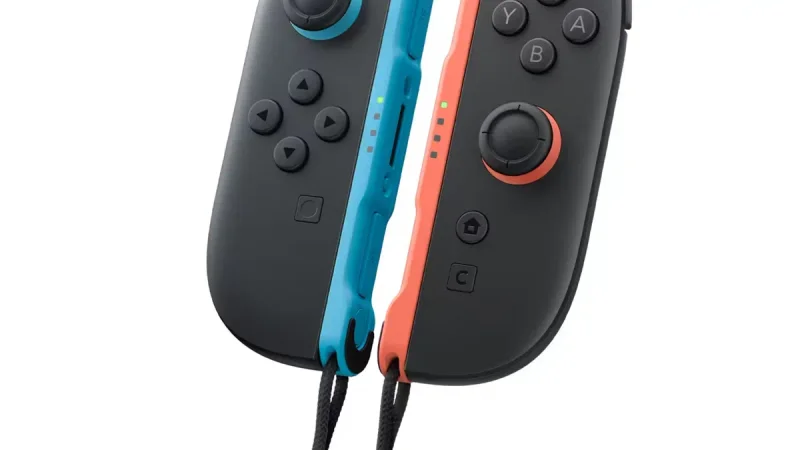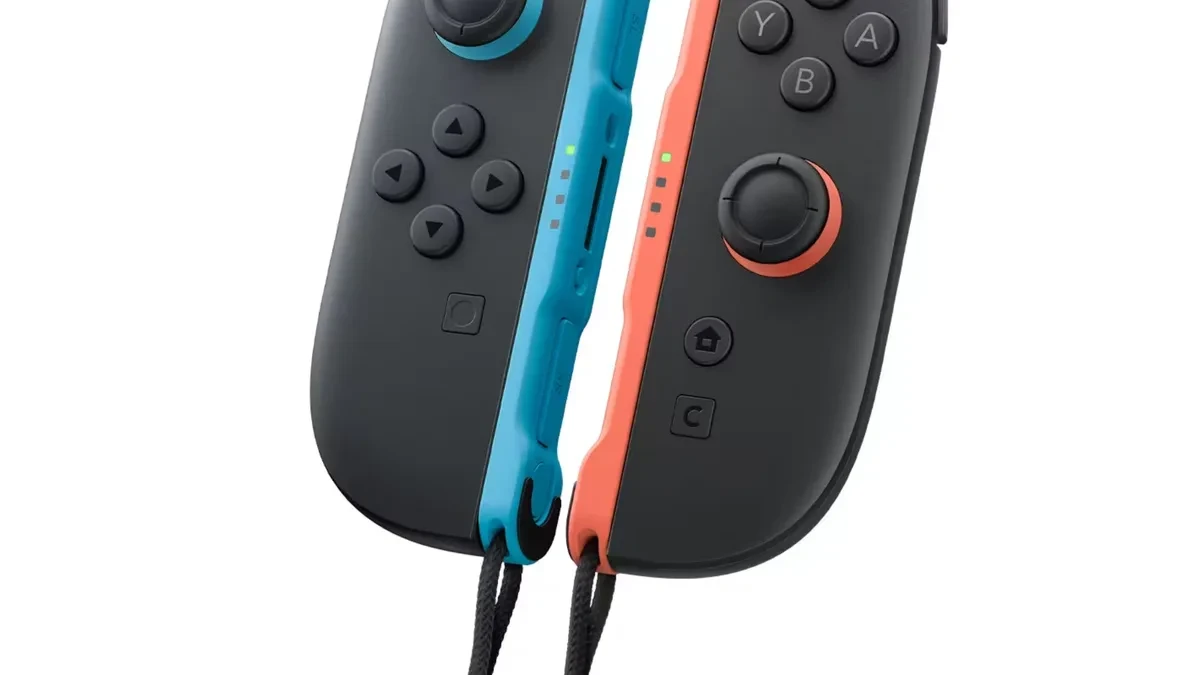
For years, Nintendo Switch owners have been haunted by the specter of stick drift, a hardware failure that turned precise platformers into nightmares of unintended movement. With the arrival of the updated Joy-Con 2 controllers, the gaming community has been waiting for a definitive answer on whether Nintendo finally fixed its most infamous engineering flaw. Gal Silver, founder of GameTraderZero and a veteran of over 1,000 controller repairs, has provided the most comprehensive look yet at the internal architecture of these revised peripherals.
Silver's findings suggest a cautious optimism. His analysis indicates that the new analog sticks are, on average, 50% more durable than those found in the original Switch launch controllers. Most importantly, the quality control appears more consistent; Silver reports that he has yet to encounter a single unit suffering from factory-fresh drift out of the box. While the mechanical nature of the sticks means they are still prone to eventual wear, the modular design allows for easier repairs, and the market is already seeing third-party Hall effect and TMR sensor replacements that promise to bypass traditional drift entirely.
Shifting Challenges: The Right Joy-Con Connection Mystery
While the stick drift issue has been significantly mitigated, the Joy-Con 2 is not without its own technical quirks. Silver identifies a recurring problem with brief connection dropouts, specifically affecting the right controller. This issue persists despite the hardware updates, suggesting that the wireless antenna or internal shielding remains a point of vulnerability for Nintendo's design team.
Interestingly, the teardowns have revealed a subtle, unannounced engineering change. Newer production units feature an additional foam pad placed near the internal connector, which Silver believes is intended to stabilize the connection and prevent signal interference. Nintendo has remained silent on this modification, but its presence suggests that the company is actively iterating on the hardware to address user reports of instability without triggering a formal recall or public acknowledgement.

What This Means for Your Gaming Sessions
Beyond the expert-level teardowns, community feedback on platforms like Reddit highlights a polarized landscape. While many users report a significantly improved experience compared to the original Joy-Con, others have documented secondary issues, including grinding plastic in the stick housing, unreliable shoulder buttons, and loose physical connections to the console rail.
For the average player, the takeaway is clear: the Joy-Con 2 represents a meaningful step forward in build quality, but it is not a perfect piece of hardware. The move toward modular components is a win for longevity, as it makes DIY repairs far more accessible than in the past. If you are a heavy user, the improved durability is a welcome upgrade, though the lingering connection dropouts serve as a reminder that the compact, wireless-first design of the Joy-Con remains a complex engineering challenge for Nintendo to balance.