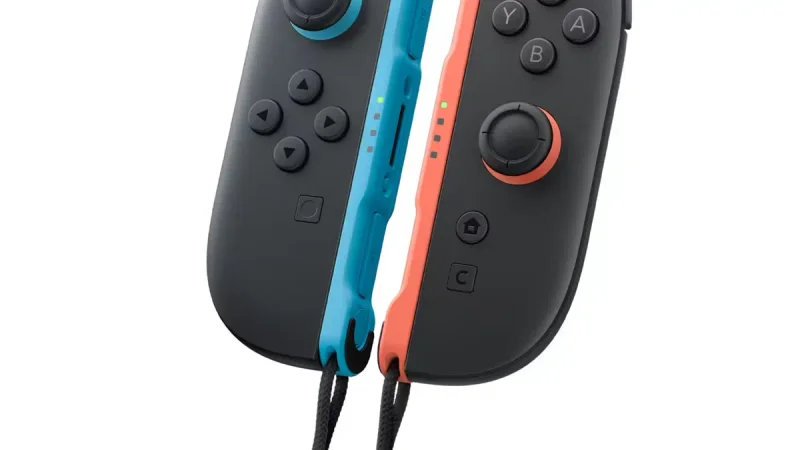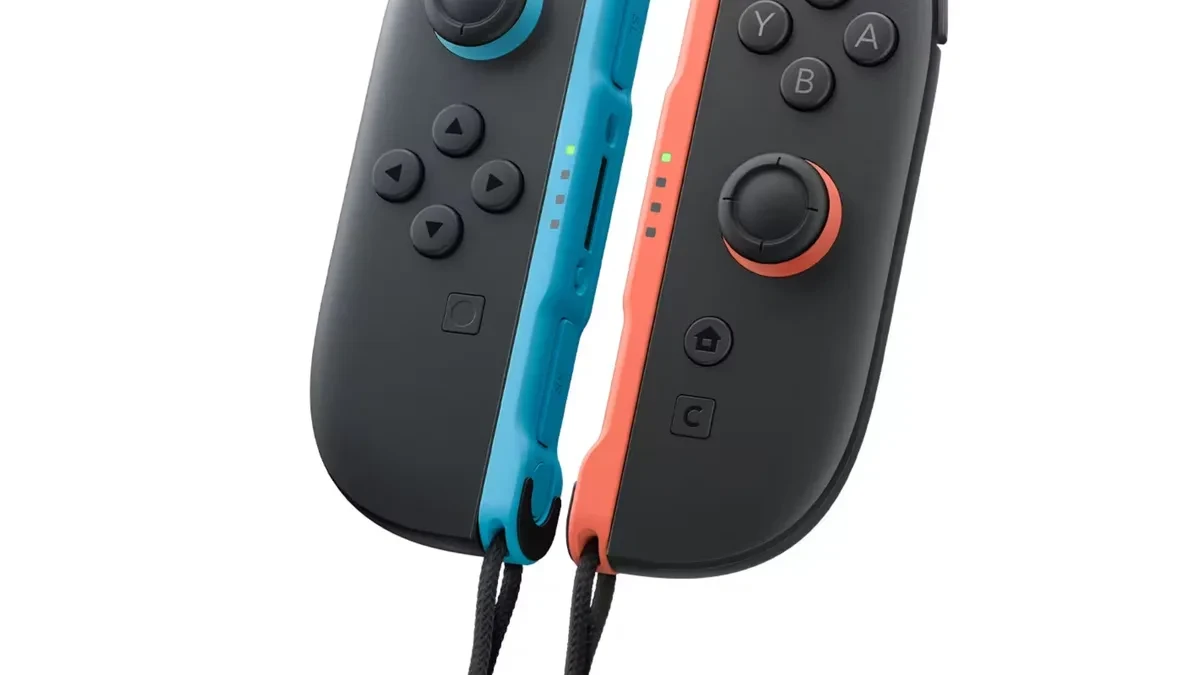
For years, Nintendo Switch owners have lived in the shadow of 'stick drift,' a mechanical failure that turned precise movement into unintentional drifting. With the arrival of the Joy-Con 2, the gaming community has been waiting to see if these hardware failures were finally addressed. Gal Silver, founder of the custom controller shop GameTraderZero, has provided a rare look under the hood after personally servicing more than 1,000 of these new units, offering a glimpse into whether Nintendo has truly solved its most notorious design flaw.
Silver's findings suggest a meaningful step forward in manufacturing consistency. While the original Joy-Con sticks were prone to rapid degradation, Silver estimates that the new analog modules are, on average, 50 percent more durable. Most notably, he has yet to encounter a single unit suffering from drift straight out of the box. While the controllers still rely on mechanical parts that will inevitably wear down over time, the improved internal architecture marks a departure from the high-failure rates that defined the previous generation.
Modular Design and the Drift Reality
Despite the durability improvements, the Joy-Con 2 remains a mechanical device at its core. Silver notes that the sticks are not soldered directly to the circuit board, a design choice that significantly simplifies long-term maintenance. Because these components are modular, users who eventually encounter wear can swap them out with relative ease. For those seeking a permanent solution, the market has already responded with Hall effect and TMR sensor replacements, which bypass the mechanical contact points that traditionally lead to drift.
This shift toward modularity is a win for longevity. By moving away from permanent solder points, Nintendo has inadvertently made it easier for third-party modders and DIY enthusiasts to extend the life of their controllers, potentially saving thousands of units from the landfill as the hardware ages.

The New Connection Hurdle
While the stick drift situation has improved, the Joy-Con 2 is not without its own set of unique quirks. Silver reports that the most common issue he encounters is not related to the sticks, but rather brief connection dropouts affecting the right controller. Interestingly, his teardowns revealed a subtle, unannounced change in newer production batches: an additional foam pad placed near the internal connector.
While Nintendo has not issued a formal statement, the consensus among technicians is that this component is a low-cost attempt to stabilize the internal connection. Despite this hardware tweak, user reports remain mixed. While many players enjoy a trouble-free experience, threads on community forums still highlight isolated reports of grinding sticks and inconsistent shoulder buttons. It appears that while the drift debacle is largely in the rearview mirror, the quest for perfect, error-free controller reliability continues.