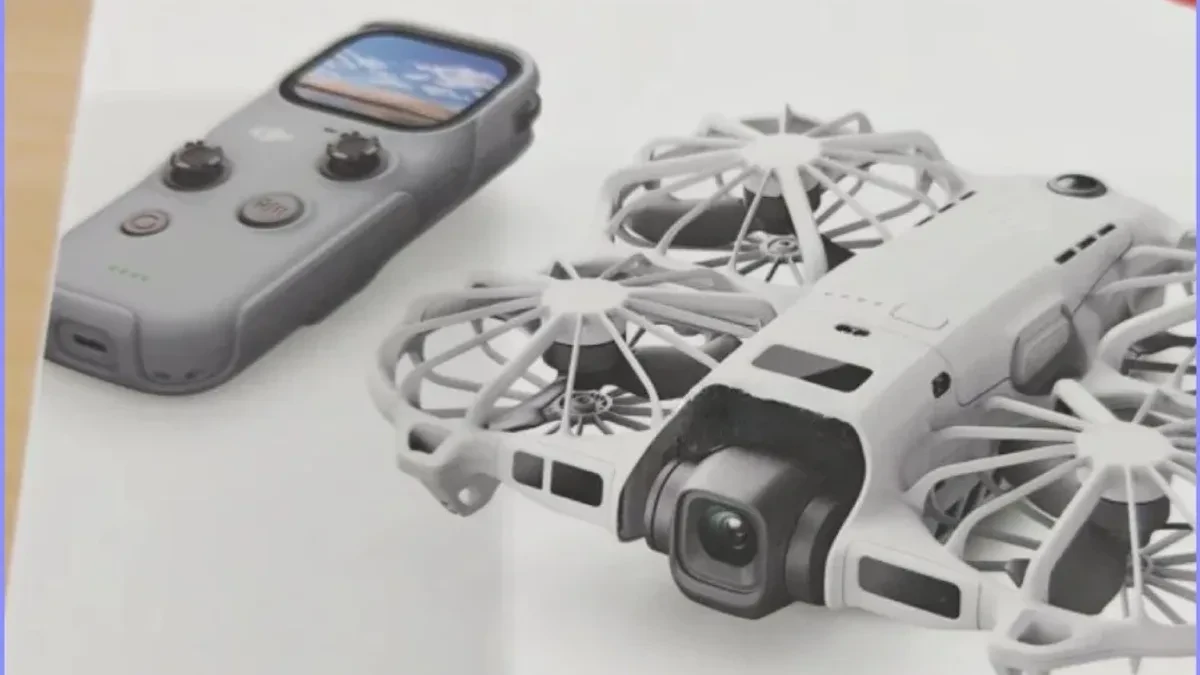
The next iteration of the DJI Neo series appears to be moving beyond its predecessor's compact, closed-frame design. Recent leaks surfacing from retail packaging imagery suggest that the DJI Neo 3 will introduce a substantial hardware overhaul, focusing on improved thermal management and a more sophisticated control interface that enthusiasts have been requesting for some time.
While the original Neo and its successor relied on fully enclosed propeller guards, the leaked packaging reveals a transition to a hub-and-spoke design. This structural shift is accompanied by noticeable rear-facing vents, a modification that hints at more capable internal hardware requiring increased airflow to manage heat during extended flight sessions. Combined with a new obstacle avoidance sensor, the Neo 3 seems poised to bridge the gap between casual entry-level drones and more robust, sensor-heavy aerial platforms.

A New Controller for Better Visibility
Perhaps the most compelling detail from the leaked packaging is the inclusion of a dedicated remote controller featuring a built-in display. Previous iterations of the Neo line often relied on smartphone-tethered controls, which can be cumbersome in bright outdoor conditions. The new remote bears a striking resemblance to the RC Mini AG controller, previously seen in DJI's agricultural drone lineup.
If this hardware carries over, pilots can expect a 1.97-inch display boasting 800 nits of peak brightness, ensuring visibility even under direct sunlight. Beyond the screen, the controller is rumored to support OcuSync 4 technology, potentially enabling reliable image transmission at distances of up to 10 kilometers. With an estimated three-hour battery life, this shift suggests a move toward a more standalone, professional-grade flight experience for the entry-level market.
Implications for Future Flight
These leaks suggest that DJI is refining the Neo 3 to address common user pain points, specifically regarding thermal performance and pilot convenience. The addition of a standalone, screened controller removes the reliance on mobile app connectivity for basic operation, which should significantly reduce setup friction at the field.
As the appearance of retail packaging typically signals an imminent product launch, the drone community is watching closely for an official announcement. While global pricing and specific regional release dates have not yet been confirmed by DJI, the leaked imagery provides a clear look at a device that aims to combine the portability of the Neo series with the sophisticated control standards usually reserved for the company's flagship drones.