360 cameras have become essential gear for capturing immersive panoramic footage without the hassle of framing each shot. The latest models from Insta360 and DJI showcase major leaps in image quality and features, offering compelling choices for content creators in 2026.
Insta360 X6 Sets New Standards In 360 Imaging
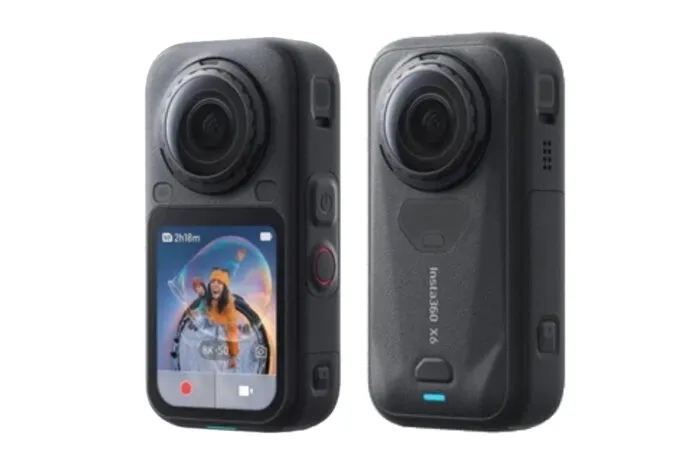
The Insta360 X6 is the company's new flagship, boasting a significant upgrade over its predecessor, the X5. It features dual Sony 1/1.1-inch square sensors, providing a full 1-inch-equivalent image area, which is 33% larger than the X5’s sensors. This allows for substantially brighter shots, especially in low-light conditions.
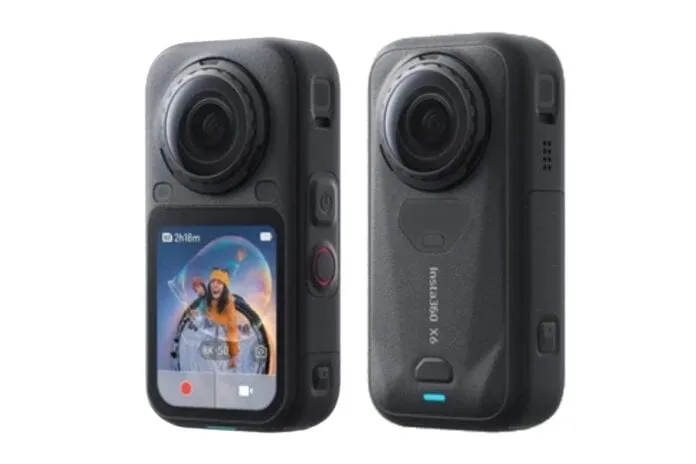
The X6 can shoot 8K video at 50 frames per second, an improvement over the X5's 8K at 30fps, and capture ultra-high-resolution 120MP photos. Its triple-chip processing system, anchored by an 8-core 4nm processor, offers about five times the computing power of the X5, enabling advanced features like 10-bit color, Dolby Vision, and an enhanced PureVideo low-light mode. The camera also introduces the Replaceable Lenses 2.0 system and includes 47GB of internal storage, reducing reliance on external memory cards.
Powered by a 2,600mAh battery, the X6 supports up to 140 minutes of continuous 8K recording. It starts at $699.99 for the Standard Bundle and $799.99 for the Essentials Bundle in the United States.
Insta360 X5 Remains A Strong Value Option
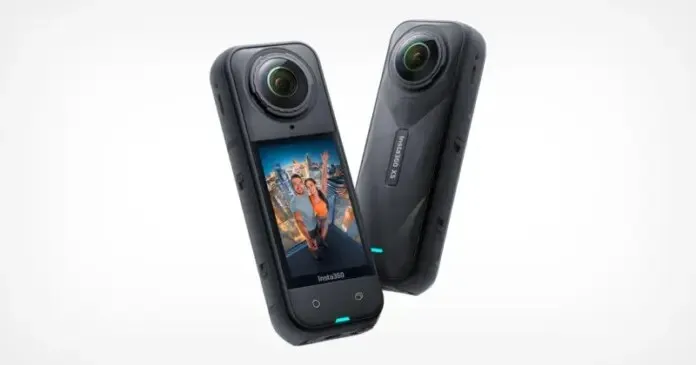
For users seeking a more affordable option, the Insta360 X5 remains a capable 360 camera. It uses two 1/1.28-inch sensors, records 8K video at 30fps, and captures 72MP photos. The X5 offers features like PureVideo low-light mode, replaceable lenses, a built-in wind guard, and waterproofing to a depth of 49 feet without a case.
With a price of around $549.99, the X5 is well-suited for travel videos, vlogging, and everyday action footage. Insta360 also offers a BMW Motorrad edition tailored for motorcycle riders, featuring handlebar controls and an extended battery.
DJI Osmo 360 II Focuses On High Frame Rate And Dynamic Range
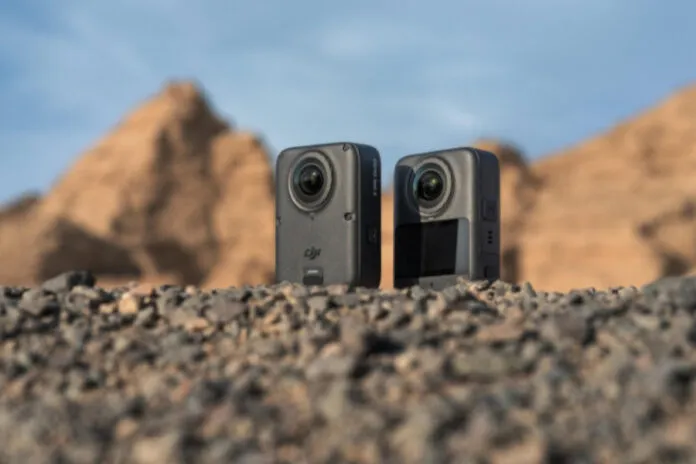
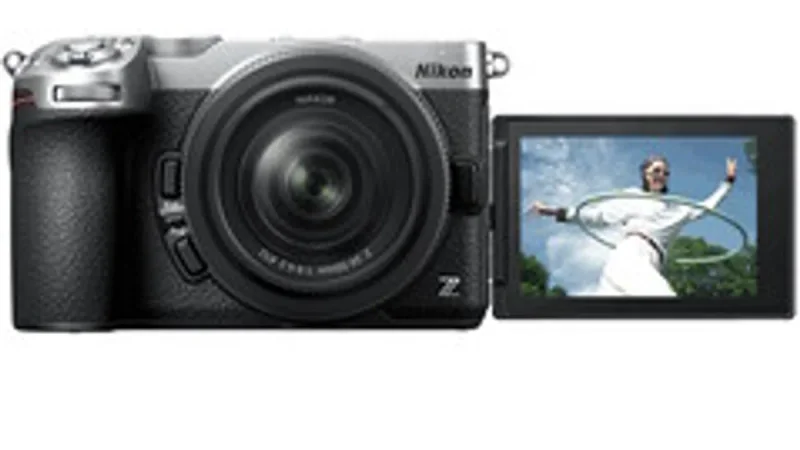
Responding swiftly to Insta360's release, DJI introduced the Osmo 360 II, which employs the same 1/1.1-inch sensor class as the original Osmo 360 but enhances 8K panoramic video recording to 60fps, slightly surpassing the X6's 50fps.
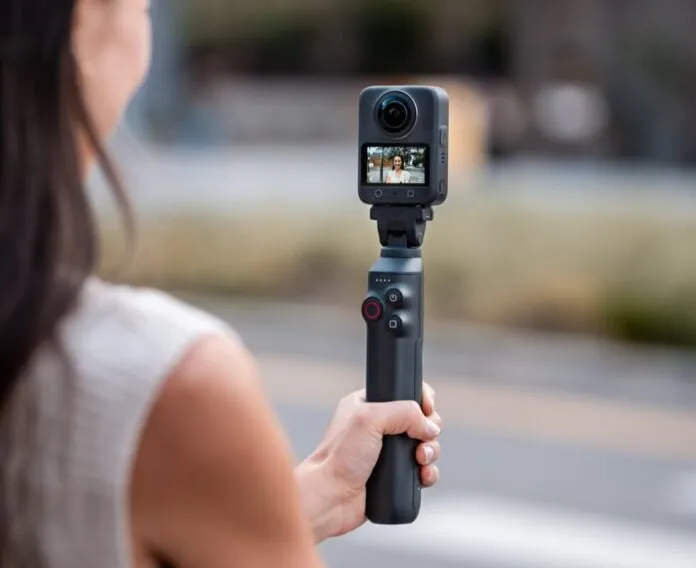
The Osmo 360 II boasts a dynamic range of 14.5 stops in D-Log M mode, improving upon the original's 13.5 stops. It supports 120MP photos with added HDR and RAW capture capabilities. The battery capacity is increased to 2,150mAh with 27W USB-C fast charging support, and user-replaceable lenses are now available. NFC for quick pairing and 105GB of internal storage are also included.
Priced at roughly $460 in China, the Osmo 360 II’s availability outside China remains uncertain due to ongoing restrictions affecting DJI products in the US.
DJI Osmo 360 Original Offers Practicality And Compatibility
The original DJI Osmo 360 remains on the market, often at a reduced price in regions where the II model has appeared. It features dual 1-inch sensors, 8K video at 50fps, 13.5 stops dynamic range, and up to 100 minutes of continuous 8K recording on a single charge.
Its battery and magnetic mounting system are compatible with the DJI Osmo Action 5 Pro accessories, adding versatility for existing DJI users. It is officially available in the US for around $549.99, making it a practical option for American buyers.
GoPro MAX2 Returns With GPS And Competitive Specs
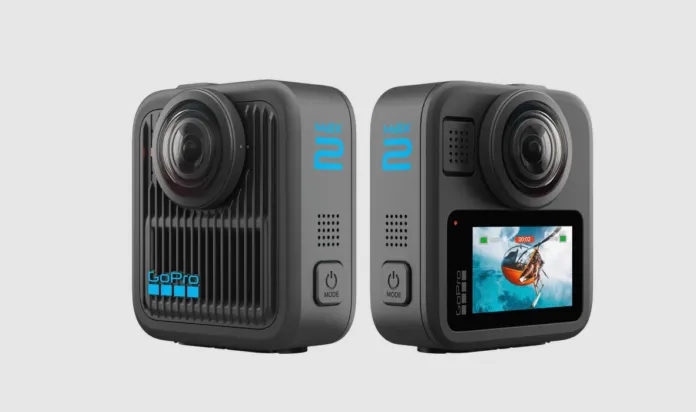
After a hiatus from the 360 camera segment, GoPro launched the MAX2, which it claims is the only "True 8K" 360 camera based on resolution calculation methods. The MAX2 records 8K 360 video, 5.6K at 60fps, and 4K at 100fps.
The camera incorporates built-in GPS, a replaceable lens system, and a 1,960mAh Enduro battery optimized for cold weather. Rugged and waterproof, it supports 16 mounting accessories designed specifically for the device. The MAX2 is priced at $499.99, the lowest among flagship 360 cameras on this list, and has expanded into markets like India alongside GoPro’s AI-powered gimbal.
Ricoh Theta X Specializes In High-Resolution Stills
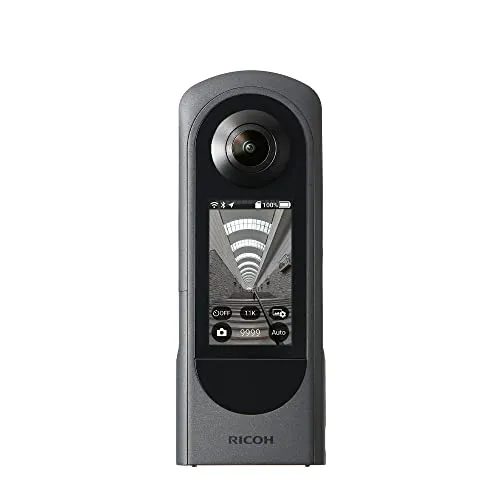
For users prioritizing still photography over video, the Ricoh Theta X is a professional favorite. It uses dual 48MP sensors to produce spherical stills up to 60MP or 11K resolution, exceeding the photo capabilities of action-camera-style 360 devices. Video recording tops out at 5.7K at 30fps.
The Theta X stands out with its standalone usability, featuring a 2.25-inch color touchscreen for previewing shots, adjusting settings, and reviewing captures without a phone. It is the first Theta model with a replaceable battery and a microSD card slot, supports built-in GPS for automatic geotagging, and runs on Android OS, allowing third-party plug-ins for features like automatic face blurring and wireless livestreaming. HDR RAW capture in DNG format is available for professional editing. Pricing starts at $649.
Choosing The Right 360 Camera
Selecting a 360 camera depends on budget and shooting needs. For the highest image quality and advanced features, the Insta360 X6 is the top pick. The DJI Osmo 360 II offers competitive specs but limited availability. The Insta360 X5 and original DJI Osmo 360 provide solid performance at lower prices suitable for travel and daily use.
The GoPro MAX2 is the best choice for users valuing built-in GPS or who already own GoPro gear. Meanwhile, the Ricoh Theta X is ideal for professionals focused on high-resolution stills rather than video.
Source: Insta360, DJI, GoPro, Ricoh | Gizmochina