Why this matters: Google claims it uncovered what might be the first real-world zero-day exploit created with AI’s help — a sign that cyberattacks are evolving beyond human-only tactics.
- AI-assisted zero-day exploit discovered in open-source admin tool
- Exploit bypassed two-factor authentication after credential theft
- AI-generated code showed textbook-style formatting and fake severity scores
- Vulnerability patched before wide exploitation
Flagship AI Skills Meet Mid-level Cybercrime
Google’s Threat Intelligence Group (GTIG) reports an exploit coded with AI assistance that bypassed two-factor authentication on a popular web admin tool. On paper, this sounds like a major leap: AI doesn’t just find bugs anymore; it connects higher-level application behavior to build exploits. But the catch is simple — this isn’t a sloppy memory bug or a trivial coding error. Instead, the AI targeted business logic flaws, an area where AI’s pattern recognition actually shines.
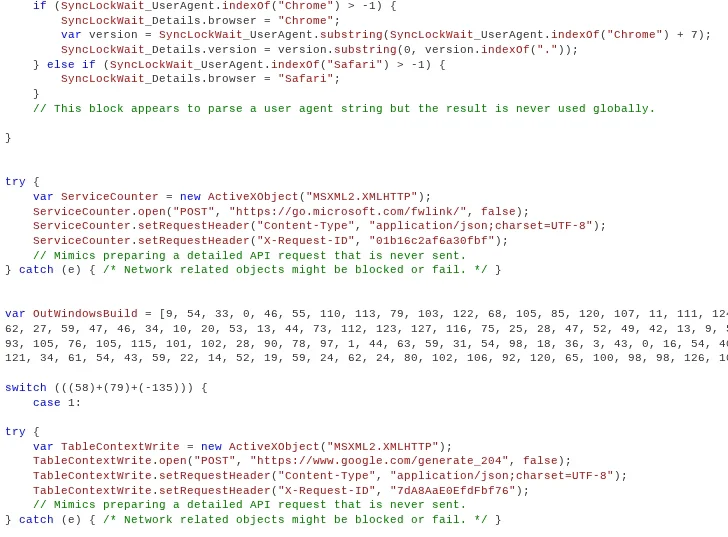
This isn’t just a script with random mistakes patched together: the Python exploit code contained signs of AI authorship, like overly instructional comments and textbook formatting. It even included a made-up CVSS severity score — a reminder that AI can hallucinate details, not just speed up code writing.
Two-Factor Authentication? Not as Secure as You Thought
The exploit let attackers sidestep 2FA after stealing login credentials — a worrying scenario for businesses relying on 2FA as a silver bullet. Companies often tout two-factor as foolproof, but real-world attacks show it’s just one hurdle. The AI didn’t crack cryptography; it found a logic flaw that allowed a bypass.
Google disclosed the vulnerability to the software vendor and patched it before any large-scale abuse. Still, the fact AI helped craft such a nuanced exploit means the cybersecurity landscape just got more complicated.
AI: The Double-Edged Sword of Cybersecurity
Security researchers have long warned AI could lower entry barriers for attackers, automating steps that once required deep expertise. This case confirms those fears: AI isn’t just speeding up script kiddies; it’s making complex attacks accessible.
But don’t write off AI defenders yet — companies like Google use AI for automated bug discovery, threat hunting, and patch generation. What this means is we’re entering an arms race where AI powers both offense and defense. Expect attacks to get smarter, but also detection to get quicker.
The Big Picture
This AI-assisted zero-day exploit signals a shift in cyberattack dynamics. Attackers now have tools to automate higher-level logic analysis, potentially increasing attack volume and sophistication. For users and organizations, this means two-factor authentication and traditional security measures are no longer bulletproof without continuous vigilance.
From an industry standpoint, AI’s role as both attacker’s ally and defender’s tool will shape cybersecurity investments and strategies. Expect more AI-driven attacks, but also faster patching cycles. The takeaway: trust but verify — and don’t hold your breath for AI to make security easier anytime soon.
(Via)