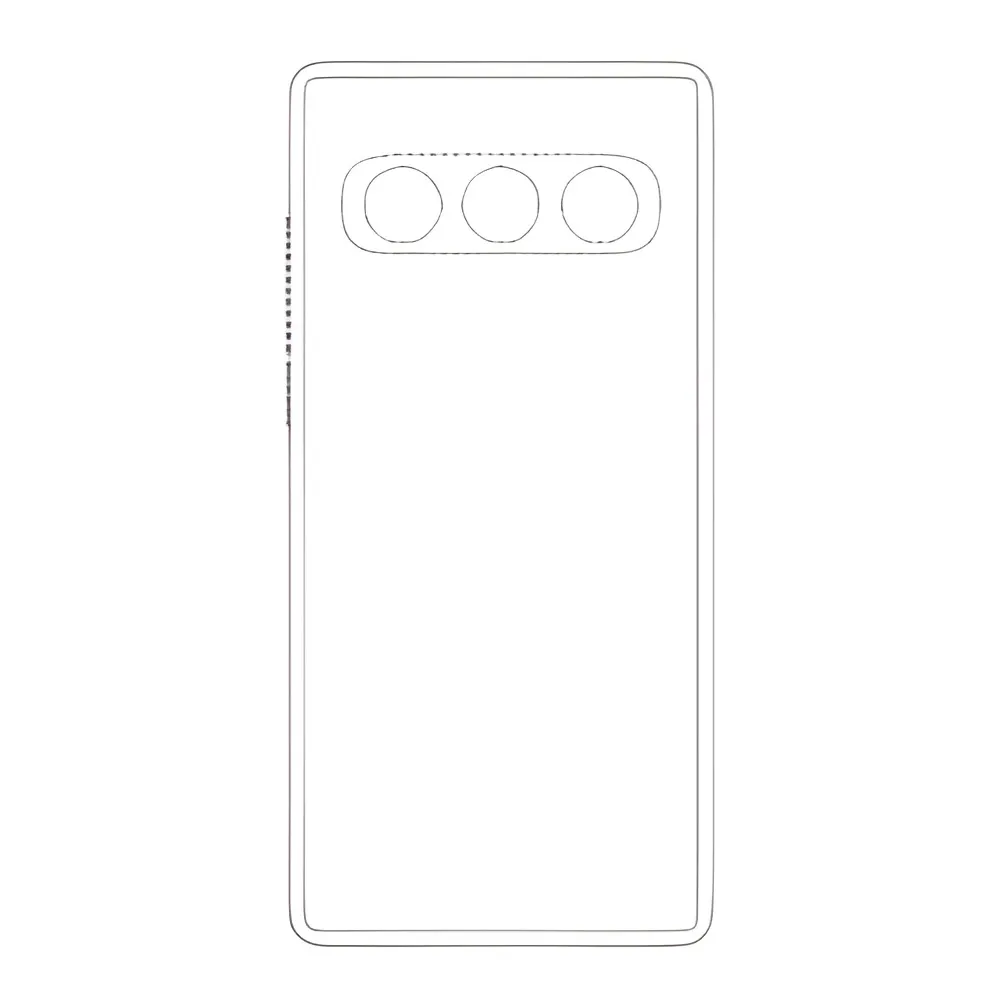
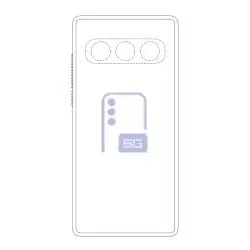
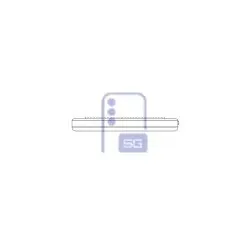
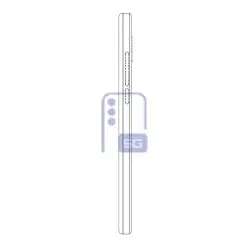
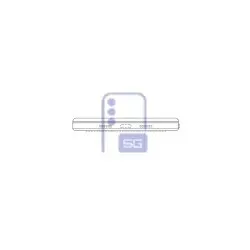
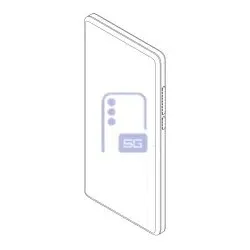
Samsung's upcoming Galaxy S27 Ultra is reportedly considering a significant design shift, moving away from its traditional vertical camera module to a horizontal layout. This alteration, evidenced by sketches from the WIPO design database, signals a potential strategic pivot in Samsung's flagship design philosophy, with implications for usability and accessory compatibility.
Emerging Design Trends in Samsung's Flagship
For years, Samsung's Ultra series has featured a vertically aligned camera bar on the left side, housing multiple sensors. However, concept images and newly surfaced design sketches suggest a horizontal camera bar reminiscent of designs seen in Google's Pixel 11 Pro and Apple's iPhone Air. The WIPO design filings reveal a classic Samsung silhouette with rounded corners and flat edges, but with a horizontal camera module containing three distinct lenses.
Implications of a Horizontal Camera Module
While Samsung had not confirmed this design as of early July, recent leaks hint at a possible final decision towards this configuration. The horizontal camera arrangement offers practical benefits, including enabling stable typing or note-taking on flat surfaces without the wobble induced by protruding vertical cameras. Furthermore, it could free up rear space to integrate Qi2-compatible accessories, potentially allowing magnetic attachment without requiring a case, as seen in Pixel devices. This design evolution could also herald a refreshed camera system expected to debut in 2027, possibly introducing a new main sensor after years of minimal changes.
Usage Context and Technical Trade-offs
The horizontal camera design balances user experience improvements with engineering considerations. While it may slightly alter internal component layout and thermal management compared to vertical modules, these trade-offs appear justified by enhanced device stability and accessory support. This design is particularly suited for users who frequently interact with their phone on desks or flat surfaces, such as content creators and professionals who prioritize ergonomic handling.
Competitor Analysis and Market Positioning
Samsung's shift aligns its flagship closer to competitors like Google's Pixel 11 Pro and Apple's iPhone Air, which have employed horizontal camera bars with accessory integration advantages. This move may help Samsung differentiate its Ultra series in a saturated market by addressing longstanding user complaints about device wobble and accessory compatibility. However, it must ensure that camera performance and aesthetic appeal meet or exceed rival offerings to maintain its premium positioning.
Key Specifications Highlight
- Design: Rounded corners with flat edges, horizontal camera bar
- Camera Module: Three individual lenses in horizontal layout
- Accessory Support: Potential Qi2-compatible magnetic attachments without case
- Expected Innovations: New main camera sensor anticipated in 2027
Source: Samsung | Notebookcheck.net