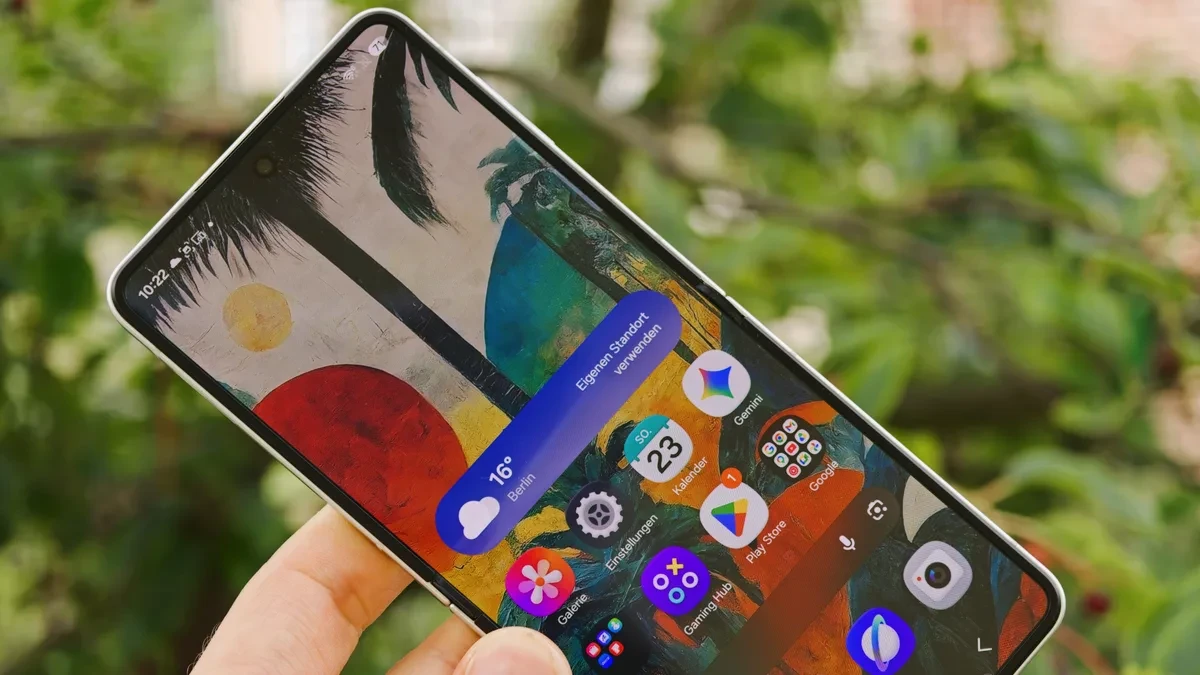
Compact foldable smartphones often sacrifice speaker enclosure volume to accommodate complex hinge mechanisms and ultra-thin chassis profiles. However, recent laboratory measurements reveal that the Samsung Galaxy Z Flip8 breaks this traditional engineering compromise by delivering acoustic performance that significantly outclasses its primary rival, the Motorola Razr 70 series. Starting at around $1,200, Samsung's clamshell flagship produces drastically higher volume while maintaining clean low-end warmth and extended high frequencies where competitor foldables flatten out.
For users who regularly rely on built-in speakers for streaming video, hands-free voice calls, or listening to music at a desk, speaker output is an immediate factor in everyday satisfaction. Laboratory acoustic testing demonstrates that Samsung has prioritized audio hardware in a segment where competitors continue to cut corners.
Lab Measurements Reveal an 8 dB Advantage in Sound Pressure

Detailed pink-noise frequency tests reveal a substantial gap in maximum sound output between the top compact foldables. The Galaxy Z Flip8 registered a peak sound pressure level reaching nearly 92 dB(A). By contrast, both the Motorola Razr 70 Plus and the higher-tier Razr 70 Ultra capped out below 84 dB(A) under identical testing conditions.

Because the decibel scale is logarithmic, an 8 dB differential translates to a massive perceptual boost in real-world loudness. This additional headroom ensures that ringtones, navigation directions, and media playback remain audible in noisy environments like busy kitchens or public transport, scenarios where Motorola's lower threshold struggles to cut through background clutter.
Frequency Balance: Where Motorola Falls Short on Bass and Treble
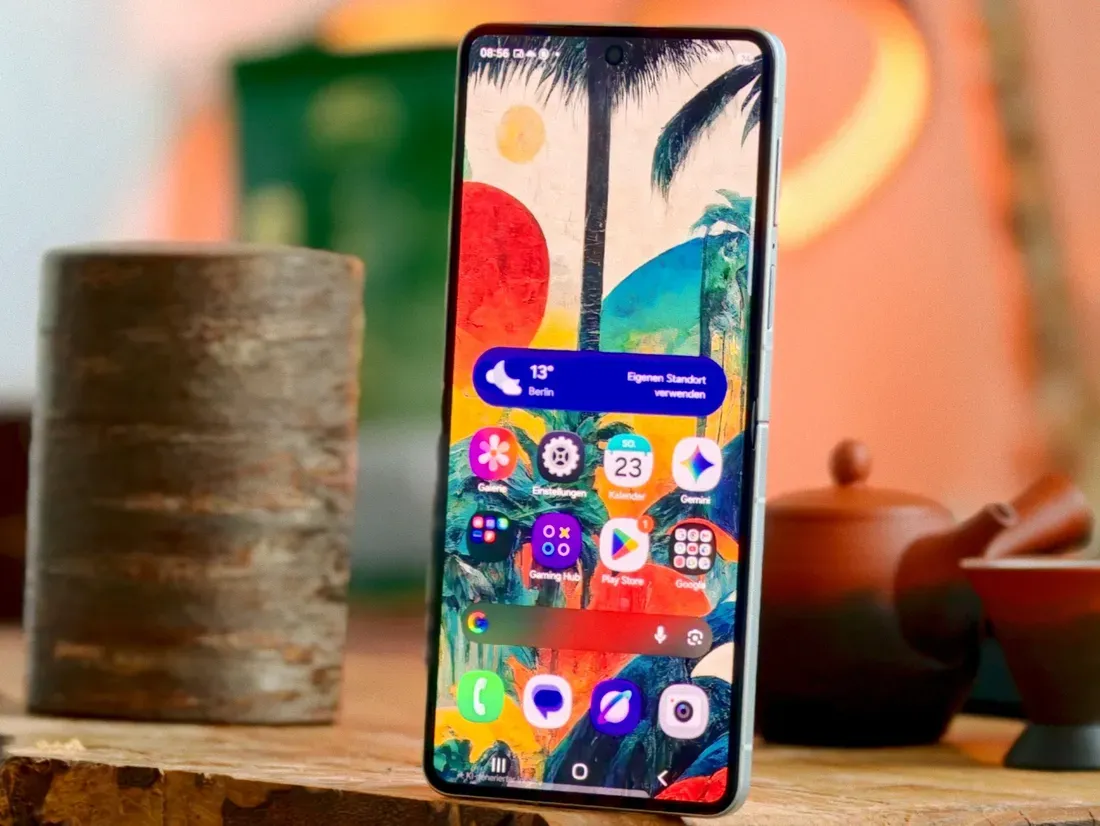
Raw volume is only half the acoustic equation, but pink-noise measurements confirm that the Galaxy Z Flip8 maintains a remarkably linear sound profile across the human hearing range. Low-frequency analysis shows that Samsung engineered noticeable bass extension into the Z Flip8 chassis. Motorola's Razr 70 models, on the other hand, show almost no low-end depth, producing a thin acoustic signature.
High-frequency fidelity reveals a similar contrast. The speaker array on the Razr 70 series suffers from early treble roll-off, which truncates delicate vocal details and leaves instrumentals sounding muffled. The Galaxy Z Flip8 sustains smooth treble reproduction, preserving speech clarity and high-end detail even when pushed toward maximum volume output.
Pricing and Practical Value in the Foldable Segment
Beyond its acoustic leads, the Galaxy Z Flip8 presents a balanced proposition in the wider foldable market. Positioned at an MSRP starting around $1,200, it competes directly with Motorola's top-tier flip phones while benefiting from Samsung's eighth generation of structural refinement and speaker tuning.
While compact foldables will always involve compromises compared to larger traditional slab flagships, Samsung's work on the Z Flip8 demonstrates that loud, clear stereo audio does not have to be sacrificed for a pocketable design.